 WhatsApp Us Now
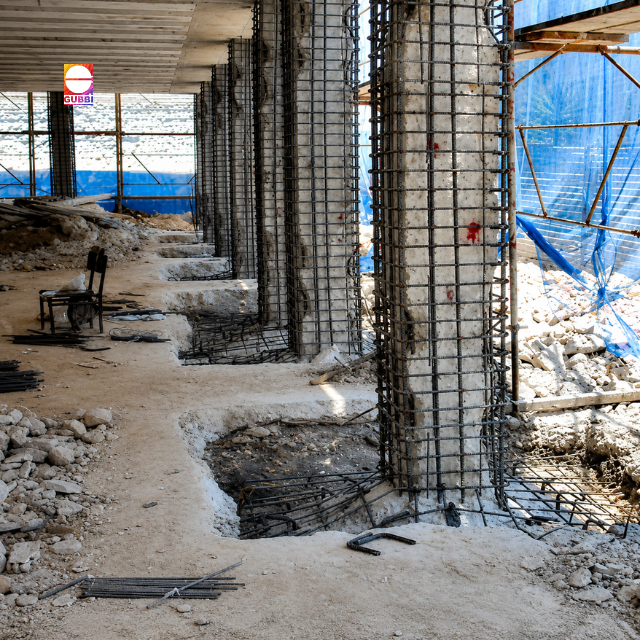
Buildings, industrial facilities, bridges, and other concrete structures are designed to perform for many years. However, continuous exposure to weather, moisture, heavy loads, chemicals, corrosion, and operational stress can gradually affect their condition. Cracks, spalling concrete, exposed reinforcement, leakage, and structural weakness should not be ignored. Professional structural repair services help identify the actual cause of deterioration and restore damaged structures using suitable engineering and repair methods.
What Are Structural Repair Services?
Structural repair services involve the inspection, assessment, repair, and rehabilitation of damaged structural elements to improve their safety, strength, durability, and performance. These services can address problems affecting RCC beams, columns, slabs, foundations, walls, and other load-bearing members. Unlike ordinary maintenance work, structural repairs require an understanding of the damage mechanism, structural behaviour, material condition, and the long-term requirements of the existing structure.
A proper repair process begins by understanding why the damage occurred. A visible crack or damaged concrete surface may only be a symptom of a deeper issue. Water ingress, reinforcement corrosion, excessive loading, construction defects, carbonation, or chemical exposure can contribute to deterioration. Professional structural repair contractors investigate these conditions before selecting a suitable repair methodology, helping ensure that the solution addresses the underlying problem rather than temporarily covering visible damage.
Why Do Structures Require Professional Repair?
Concrete structures are continuously exposed to environmental and operational conditions that can affect their long-term performance. Industrial structures may experience vibration, chemical exposure, and heavy equipment loads, while buildings can face moisture ingress, leakage, and ageing-related deterioration. Bridges, marine structures, and infrastructure assets may experience additional exposure to chlorides and aggressive environmental conditions. Over time, these factors can create structural defects requiring professional concrete repair and rehabilitation.
Ignoring early signs of damage can allow deterioration to progress further. Small cracks may permit moisture and harmful substances to enter concrete, eventually reaching embedded reinforcement. Once reinforcement corrosion begins, expanding corrosion products can cause cracking, delamination, and concrete spalling. Early structural repair services can control this deterioration before extensive damage develops, reducing the possibility of larger repairs, operational disruption, and more significant rehabilitation requirements later.
Common Signs That a Structure Needs Repair
Visible structural distress should always be evaluated carefully because not every crack has the same cause or significance. Some common signs include cracks in beams and columns, spalling concrete, exposed reinforcement, rust stains, slab deterioration, excessive deflection, water seepage, and damaged concrete surfaces. These conditions may affect the durability and performance of the structure, making timely inspection and professional evaluation important before the damage continues to spread.
Other warning signs can include recurring cracks after previous repairs, deteriorating concrete cover, honeycombing, leakage around structural joints, settlement-related damage, and corrosion in reinforced concrete members. Property owners and facility managers searching for structural repair contractors should avoid selecting solutions based only on appearance. A technically suitable repair depends on the condition of the structure, the cause of deterioration, accessibility, loading requirements, and the expected long-term performance.
The Importance of Structural Inspection Before Repair
Structural inspection is one of the most important stages of any repair project. Before starting concrete crack repair or structural strengthening, engineers need to understand the extent and cause of the deterioration. Visual inspection, condition mapping, review of available drawings, material investigation, and structural evaluation can help determine whether the structure requires repair, rehabilitation, strengthening, retrofitting, or a combination of these solutions.
Starting repairs without proper investigation can lead to recurring problems. For example, repairing spalled concrete without addressing active reinforcement corrosion may only provide a temporary improvement. Similarly, filling cracks without identifying their cause may not prevent them from returning. An engineering-based approach allows structural repair contractors to develop a suitable methodology, select compatible materials, and plan execution according to the actual condition and performance requirements of the structure.
Concrete Repair for Damaged RCC Structures
Concrete repair is commonly required when reinforced concrete develops cracking, spalling, honeycombing, delamination, or surface deterioration. The damaged or unsound concrete is carefully identified and removed until sound material is reached. The exposed area is then prepared according to the selected repair methodology. Depending on the project requirements, suitable repair materials may be used to restore the damaged concrete section and improve its durability.
Material compatibility is an important consideration during concrete repair. Repair materials should work effectively with the existing concrete and provide suitable bonding, durability, and performance. Polymer modified mortar, epoxy mortar, and micro-concrete are among the materials that may be considered depending on the repair requirement. The final selection should always depend on engineering assessment rather than applying the same repair material to every damaged structure.
Repairing Corrosion-Damaged Reinforcement
Reinforcement corrosion is a major cause of deterioration in RCC structures. Moisture ingress, carbonation, chloride exposure, inadequate concrete cover, and aggressive environments can contribute to corrosion of embedded steel. As reinforcement corrodes, pressure can develop within the surrounding concrete, causing cracks and spalling. If deterioration progresses, the condition of the reinforcement and its contribution to structural performance may also become a significant concern.
Professional structural repair contractors evaluate the condition of affected reinforcement before restoring the damaged concrete. Depending on the severity and engineering requirements, the process may involve removing deteriorated concrete, cleaning the reinforcement, applying suitable protective treatment, or carrying out additional corrective measures. After addressing the affected reinforcement, the concrete section can be restored using an appropriate repair system designed for the structure and its environmental exposure.
Structural Crack Repair Methods
Cracks are among the most common reasons people search for concrete crack repair and structural repair services. However, cracks can develop for different reasons, including shrinkage, thermal movement, settlement, excessive loading, corrosion, or structural distress. The width, location, direction, movement, and cause of a crack should be considered before selecting a repair method. Treating every crack with the same solution can result in ineffective repairs.
Depending on the structural condition, crack repair may involve injection systems, suitable sealing methods, concrete restoration, or additional strengthening measures. Epoxy injection can be considered for specific structural cracks where appropriate, while other systems may be required when moisture ingress or movement is involved. The objective is not simply to close the visible crack but to restore performance and control the conditions responsible for continued deterioration.
Structural Strengthening for Increased Performance
Some structures require more than repairing existing damage. Changes in building use, increased loading, equipment installation, modifications, or performance requirements can create the need for structural strengthening. Structural strengthening focuses on improving the capacity or performance of selected structural members. Beams, columns, slabs, and foundations may require strengthening based on detailed assessment and structural analysis of the existing structure.
Different strengthening techniques can be selected depending on the structural requirement. Carbon fibre wrapping, concrete jacketing, micro-concrete jacketing, steel jacketing, and other strengthening systems may be used where technically appropriate. Each method offers different advantages and applications, making proper engineering evaluation essential. The selected solution should consider existing conditions, load requirements, member geometry, accessibility, and the desired performance of the strengthened structure.
Concrete Jacketing and Structural Rehabilitation
Jacketing is a commonly used structural strengthening method for damaged or deficient RCC members. It can be considered when a structural element requires improved strength, confinement, or load-carrying performance. The process and materials used can vary depending on the condition of the member and engineering requirements. Concrete, micro-concrete, or steel-based jacketing systems may be considered for different structural applications.
Columns are particularly important structural members because they transfer loads through the structure. Damage caused by corrosion, overloading, or deterioration can require detailed evaluation before repairs begin. A suitable jacketing or strengthening methodology can help improve the performance of an affected member when properly designed and executed. The work should be coordinated carefully to maintain safety, quality, and compatibility with the existing structure.
Carbon Fibre Wrapping for Structural Strengthening
Carbon fibre reinforced systems are widely used for selected structural strengthening applications because they can provide high strength with relatively low additional weight. Carbon fibre wrapping may be used for beams, columns, slabs, and other structural members where the engineering design identifies it as a suitable solution. It can be particularly useful where major increases in member dimensions are undesirable.
The successful use of carbon fibre systems depends on proper surface preparation, engineering design, material selection, and controlled application. The existing concrete condition must first be suitable for the proposed strengthening system. Carbon fibre wrapping is not automatically the right solution for every damaged structure. Structural repair contractors should evaluate the actual deficiency and select strengthening techniques based on the required structural performance.
Structural Repair Versus Structural Retrofitting
Structural repair and structural retrofitting are related but serve different purposes. Structural repair generally focuses on restoring damaged or deteriorated structural elements. Retrofitting, on the other hand, may involve improving the overall performance of an existing structure to meet new loading, safety, seismic, or operational requirements. Some projects may require both repair and retrofitting when deterioration and capacity deficiencies exist together.
Understanding this difference helps property owners select the right engineering solution. A structure affected by corrosion may require concrete repair and reinforcement treatment, while a building facing increased operational loads may also require strengthening. Proper assessment identifies whether the primary requirement is restoration, strengthening, rehabilitation, or retrofitting. This approach prevents unnecessary work and helps ensure that the selected intervention matches the actual structural requirement.
Industries That Require Structural Repair Services
Structural repair services are required across commercial, industrial, residential, infrastructure, and institutional sectors. Industrial facilities often require repairs because of heavy loading, vibration, chemical exposure, and demanding operational environments. Commercial buildings may require concrete repairs due to ageing, leakage, corrosion, or changes in usage. Infrastructure assets such as bridges, jetties, and other concrete structures may require specialised rehabilitation because of environmental exposure.
Warehouses, power facilities, manufacturing plants, parking structures, educational institutions, water-retaining structures, and commercial complexes can also require professional structural repair. Every structure has different operational conditions and deterioration mechanisms. Therefore, a site-specific approach is important. Professional contractors evaluate the environment, structural requirements, access limitations, and project objectives before developing a suitable repair and rehabilitation methodology.
How to Choose the Right Structural Repair Contractors
Choosing experienced structural repair contractors is an important decision because the quality of investigation and execution can directly influence the long-term performance of the repair. Contractors should have relevant technical expertise, experienced engineers, suitable equipment, knowledge of repair materials, and the ability to execute projects according to an engineered methodology. Previous experience with similar structural conditions can also be an important consideration.
Property owners should also look beyond the lowest project cost when selecting a contractor. An inexpensive surface repair may become costly if the underlying cause remains untreated. A professional approach should include condition assessment, identification of the deterioration mechanism, suitable methodology, quality control, and safety planning. Clear communication about the scope of work and expected repair performance can also help ensure better project outcomes.
Why Quality Execution Matters in Structural Repairs
Even the best repair methodology can fail if execution is not properly controlled. Surface preparation, removal of deteriorated concrete, reinforcement treatment, material mixing, application, curing, and protective measures all influence the performance of a structural repair. Quality control throughout the project helps ensure that the selected repair system performs as intended under actual site and environmental conditions.
Proper execution also helps reduce the possibility of recurring damage. Repairs should consider future exposure to moisture, chemicals, carbonation, and other environmental conditions. Protective coatings, waterproofing systems, corrosion control, and drainage improvements may be required as part of a complete rehabilitation strategy. Addressing only the damaged area without considering future deterioration can limit the service life of the completed repair.
When Should You Contact Structural Repair Contractors?
It is advisable to contact professional structural repair contractors when visible damage is increasing, concrete begins to spall, reinforcement becomes exposed, cracks continue to widen, or corrosion becomes noticeable. Early inspection can help determine the seriousness of the condition before extensive deterioration occurs. Waiting until structural damage becomes severe can increase repair complexity, costs, safety risks, and operational disruption.
For organisations managing ageing buildings or industrial assets, planned inspections can also help identify deterioration before major repairs become necessary. A structured maintenance and assessment approach allows owners to plan rehabilitation activities more effectively. It can also help prioritise critical repairs based on structural condition, operational requirements, and safety considerations rather than responding only after visible damage becomes extensive.
Professionals For Structural Repair Solutions
When selecting a structural repair solution, the focus should always be on understanding the actual cause of deterioration and choosing a technically appropriate methodology. The right contractor can help evaluate structural conditions, recommend suitable concrete repair or strengthening techniques, and execute the work with proper quality control. Gubbi Civil Engineers Limited can be considered for professional structural repair requirements where an engineering-based approach to repair, rehabilitation, and strengthening is required.
A successful structural repair project should restore more than the appearance of damaged concrete. It should focus on safety, durability, structural performance, and protection against future deterioration. Whether the requirement involves concrete repair, crack repair, corrosion treatment, RCC strengthening, jacketing, or carbon fibre wrapping, a properly planned solution can help extend the useful life of valuable buildings and infrastructure.
Structural deterioration can develop gradually, but early signs such as cracks, spalling, corrosion, and exposed reinforcement should never be overlooked. Professional structural repair services provide an organised approach to identifying damage, understanding its cause, and selecting appropriate repair and strengthening solutions. The objective is to restore the structure’s performance while improving durability and reducing the risk of further deterioration. Choosing experienced structural repair contractors helps ensure that repairs are based on engineering requirements rather than temporary surface treatments. With proper inspection, suitable materials, controlled execution, and long-term protection measures, damaged structures can continue to perform safely and effectively. Timely structural repair and rehabilitation can ultimately help property owners protect their assets, improve service life, and avoid unnecessary reconstruction.


