 WhatsApp Us Now
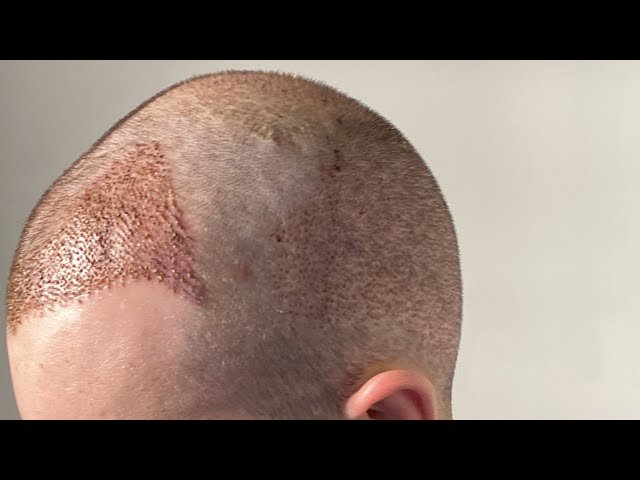
The price of a hair transplant varies from patient to patient because hair restoration is a personalized procedure. Factors such as the number of grafts required, degree of hair loss, transplantation technique, donor hair quality, surgeon expertise, and treatment plan can all influence the final amount. Current Dubai sources also report a wide range of costs, making it difficult to provide one universal figure. Patients researching تكلفة زراعة الشعر في دبي should consider the complete treatment plan rather than comparing advertised prices alone.
What Determines the Price of a Hair Transplant?
Several factors are considered when developing a hair transplant plan, including:
- Number of grafts needed
- Pattern and severity of hair loss
- FUE, DHI, FUT, or another technique
- Donor hair density and quality
- Hairline design
- Desired hair density
- Surgeon’s qualifications and experience
- Number of treatment sessions
- Follow-up and aftercare services
A professional consultation is necessary to assess these factors and determine the appropriate approach.
Does the Number of Grafts Affect the Price?
Yes. Graft requirements are one of the main factors affecting the overall cost. A patient with early hairline recession may need fewer grafts than someone with extensive thinning across the hairline, crown, and mid-scalp.
The graft number should be planned carefully because the donor area contains a limited supply of follicles. A good treatment plan aims to achieve appropriate coverage while preserving the donor area for potential future needs.
Does the Hair Transplant Technique Affect the Price?
Different techniques involve different extraction and implantation methods.
FUE involves extracting individual follicular units from the donor area before implanting them into thinning or bald areas.
DHI uses a specialized implantation approach that allows individual follicles to be placed directly into the recipient area.
FUT involves removing a strip of donor scalp and separating it into individual follicular units for transplantation.
The best technique depends on the patient’s hair-loss pattern, donor supply, goals, and professional assessment.
Does Hair Loss Severity Influence the Cost?
The extent of hair loss can significantly affect treatment requirements. More extensive hair loss may require more grafts and a larger treatment area.
A specialist will typically evaluate the hairline, crown, mid-scalp, existing hair density, and donor area before determining how much restoration may be appropriate.
Does the Surgeon’s Experience Matter?
Surgeon’s qualifications and experience are important considerations when choosing a hair transplant provider. Hair restoration requires precision in graft extraction, handling, placement, direction, and hairline design.
Patients should look at medical credentials, experience, facility standards, before-and-after results, and follow-up care rather than selecting a provider solely because of a lower price.
What May Be Included in the Treatment?
The services included in a hair transplant plan vary between providers. Depending on the clinic and procedure, they may include:
- Initial consultation
- Scalp assessment
- Hair-loss evaluation
- Hairline planning
- Graft estimation
- Follicle extraction
- Graft preparation
- Graft implantation
- Post-treatment instructions
- Follow-up appointments
- Aftercare guidance
Understanding what is included makes it easier to compare treatment options accurately.
Why Is a Consultation Important?
An in-person consultation allows the specialist to assess the cause and pattern of hair loss and examine the donor area’s density. This information is important when determining whether transplantation is appropriate and how many grafts may be required.
The consultation also provides an opportunity to discuss realistic expectations, potential risks, recovery, and alternative treatments.
Should You Choose a Hair Transplant Based on Price?
Price should not be the only consideration. Hair transplantation is a medical procedure, and the quality of graft handling, surgical planning, hygiene, professional expertise, and aftercare can influence the overall experience and outcome.
Patients should ask who performs the procedure, which technique is recommended, how grafts are handled, and what follow-up support is provided before making a decision.
Frequently Asked Questions:
Is there one fixed price for a hair transplant in Dubai?
No. Treatment costs vary according to individual requirements, graft numbers, technique, provider expertise, and services included.
How many grafts will I need?
The required number depends on the extent of hair loss, donor density, desired coverage, and individual hair characteristics.
Is FUE more expensive than FUT?
The cost can differ because the techniques use different extraction methods and require different resources. Suitability should be considered alongside cost.
Does a higher price guarantee better results?
No. Cost alone does not guarantee a particular outcome. Professional expertise, planning, graft handling, technique, and aftercare are important factors.
Can women have a hair transplant?
Yes. Women can be candidates when their cause and pattern of hair loss are suitable for transplantation. A professional assessment is necessary.
How can I find out the exact price for my treatment?
A consultation is the most reliable way to determine the appropriate graft number, technique, and treatment plan for your individual needs.
Conclusion:
The price of a hair transplant depends on several individual factors rather than one standard amount. Graft requirements, hair-loss severity, transplantation technique, donor hair availability, surgeon expertise, and included services all contribute to the overall treatment plan. A professional assessment can provide a clearer understanding of the most suitable hair restoration approach and the services involved.


