 WhatsApp Us Now
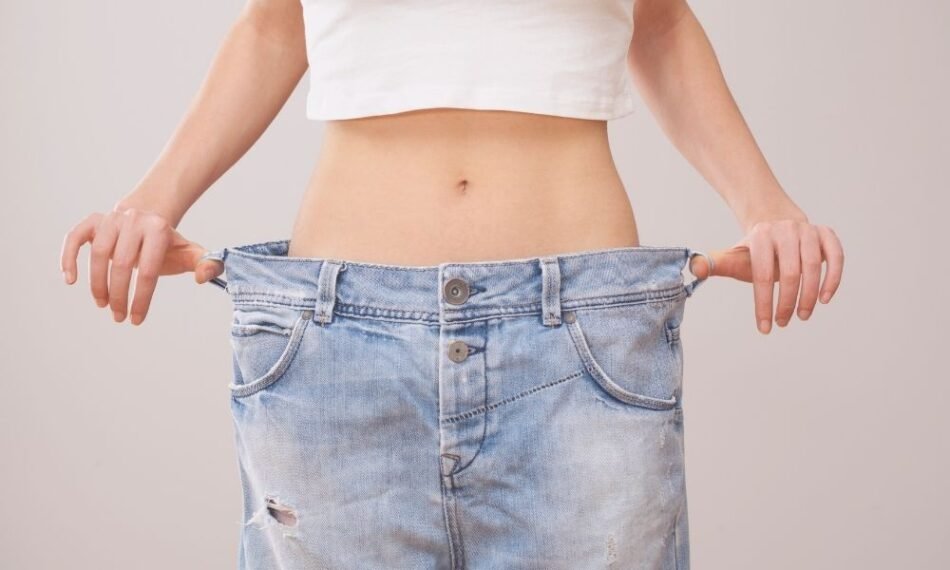
Persistent fat deposits can sometimes remain noticeable even when a person follows a balanced lifestyle and maintains a relatively stable weight. These localized areas may affect how the body looks and how clothing fits, making targeted body contouring an appealing consideration. Lipolysis Treatment in Dubai is commonly discussed in the context of addressing specific areas where unwanted fat appears resistant to everyday efforts. Understanding which concerns lipolysis may be suitable for can help people develop realistic expectations and determine whether this type of treatment aligns with their aesthetic goals.
Localized Fat Deposits
One of the main concerns associated with lipolysis is localized fat accumulation. Some areas of the body can hold a disproportionate amount of fatty tissue compared with surrounding regions. This can create contours that appear uneven or make certain body areas feel less defined.
Lipolysis is generally considered for people who are concerned about small, stubborn pockets of fat rather than overall weight management. Commonly discussed areas include the abdomen, flanks, thighs, arms, and other regions where localized fullness may be present.
Abdominal Fullness
The abdomen is one of the most frequently associated areas with unwanted fat. Even individuals who maintain healthy habits may notice fullness around the lower or upper abdominal region.
Lipolysis may be considered when the primary concern is a localized fat pocket rather than significant excess body weight. The suitability of any fat-reduction approach depends on individual anatomy and the characteristics of the area being considered. Abdominal concerns can also involve factors other than fat, such as loose skin, muscle separation, bloating, or posture.
Flank and Love Handle Concerns
Fat around the sides of the waist is another common aesthetic concern. These areas are often referred to as love handles and can become noticeable when they create a contrast between the waist and surrounding body contours.
Lipolysis may be explored as a targeted option for localized fullness in this region. The concern is generally related to improving the appearance of a particular fat area rather than achieving broad weight reduction. Several factors can influence the appearance of the flanks, including skeletal structure, natural fat distribution, skin elasticity, and overall body composition.
Thigh Fat Pockets
The thighs naturally contain varying amounts of subcutaneous fat, and some individuals may have more noticeable deposits in particular sections. Inner-thigh fullness and outer-thigh fat can sometimes affect how the legs appear in clothing or when viewed from different angles.
- Inner-thigh fullness
- Outer-thigh fat pockets
- Uneven-looking thigh contours
- Localized areas of soft tissue fullness
Upper Arm Fat
Excess fullness in the upper arms can be another concern for people seeking more defined-looking contours. The amount of fat in this region varies naturally, and changes in skin elasticity can also become more noticeable with age.
Lipolysis may be discussed when the concern is specifically related to localized fatty tissue in the upper arm. However, not every type of arm fullness is caused by fat alone. Loose skin, muscle composition, genetics, and changes in body weight can all influence the appearance of the arms. A proper assessment can help determine whether localized fat is actually the primary concern.
Uneven Body Contours
Some people are concerned less about the total amount of fat and more about how fat is distributed across different parts of the body. Uneven distribution can make one area appear fuller than another, creating an irregular overall contour.
Lipolysis may be considered when a distinct, localized fat deposit contributes to this concern. Body contouring is generally focused on proportions and specific areas rather than treating the entire body as a single unit. Natural asymmetry should also be taken into account. Perfectly symmetrical body contours are uncommon, and minor differences between the left and right sides are normal.
Areas Resistant to Lifestyle Changes
Regular physical activity and nutritious eating can support healthy body composition, but they do not allow a person to choose exactly where fat is lost. Certain localized deposits may remain despite consistent lifestyle habits.
- Stubborn abdominal pockets
- Persistent flank fullness
- Localized thigh deposits
- Small areas of upper-arm fat
Concerns Related to Body Proportions
Body contouring can also involve concerns about proportion. A person may feel that one particular area appears fuller relative to nearby regions, even when their overall body weight is within a healthy range.
For example, localized waist fullness may make the torso appear less defined, while concentrated thigh or arm fat may alter the perceived balance of the body. Addressing a specific fat area may therefore be considered from a contouring perspective rather than a weight-loss perspective.
Small, Targeted Fat Areas
Lipolysis is generally more relevant to localized concerns than widespread fat accumulation. People considering this type of treatment often focus on a particular area that they would like to address rather than seeking substantial overall fat reduction.
Small fat pockets can occur in many parts of the body. Their visibility may depend on clothing, posture, body position, genetics, and surrounding tissue. An evaluation can help establish whether the area contains enough localized fat to be considered appropriate.
Who May Need a Different Approach?
Not every concern described as “stubborn fat” is necessarily caused by excess fatty tissue. Some people may actually be dealing with loose skin, cellulite, swelling, muscle-related contours, or structural characteristics.
Certain medical conditions can also cause changes in body shape or localized swelling and should not be assumed to be ordinary fat deposits. A qualified healthcare professional can help distinguish cosmetic fat concerns from conditions requiring medical evaluation.
Final Thoughts
Lipolysis may be considered for people concerned about localized fat deposits in areas such as the abdomen, flanks, thighs, and upper arms. Its relevance is primarily associated with targeted body-contouring concerns rather than general weight loss. Understanding whether the concern actually involves localized fat is an important first step, since body shape can also be influenced by skin laxity, muscle structure, genetics, and natural asymmetry.

