 WhatsApp Us Now
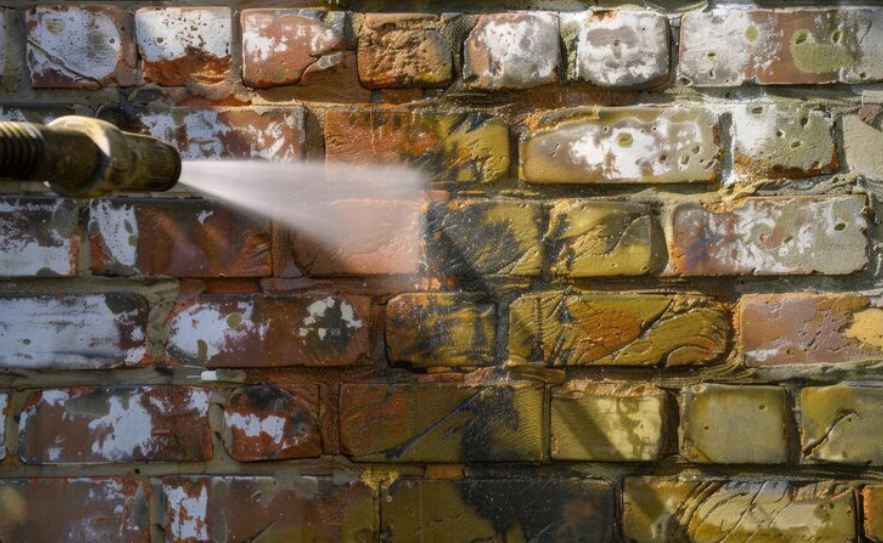
Painted brick has taken off as a look, and painted siding has been around forever, and both come with a cleaning problem that bare surfaces do not have. The paint is the thing you are trying to protect, and it is also the thing most at risk when the wall gets cleaned. Push too hard and you take the finish off along with the dirt, and now you are looking at a repaint instead of a wash.
Washing painted brick calls for a different approach than washing the bare version, and the same goes for painted siding. The goal shifts from getting the surface clean at any cost to getting it clean while leaving every bit of the paint where it belongs. Here is how that works and where people go wrong.
Why Paint Changes the Cleaning Job
A coat of paint sits on top of the surface, which makes it exposed in a way the material underneath is not.
The Finish Is the First Thing Pressure Hits
On a bare wall, the water hits brick or siding that can take some abuse. On a painted wall, the water hits the paint first. Paint is a thin layer bonded to the surface, and enough force lifts it right off. The cleaning stream does not know the difference between dirt and finish, so anything strong enough to strip stuck-on grime is strong enough to strip paint.
Older Paint Bonds Less Well
Paint does not stay fully bonded forever. Sun, moisture, and age all weaken the grip over time, and older paint is already starting to let go in places even before anyone touches it. A wall that looks solid can have areas where the paint is barely hanging on, and pressure finds those spots first. The result is bare patches surrounded by intact paint, which looks worse than the dirt did.
Painted Brick Has a Second Issue
Painted brick adds a wrinkle that painted siding does not have. Paint on brick can trap moisture in the masonry, and aggressive cleaning that forces water behind the paint makes that worse. On painted brick, keeping water from getting driven under the finish matters as much as protecting the finish itself.
Where People Go Wrong
Most paint damage from washing traces back to a few common mistakes.
Reaching for High Pressure First
The instinct is to turn the pressure up until the dirt comes off. On a painted surface, that instinct is backward. The pressure that clears the dirt is often the same pressure that clears the paint, so leading with force is leading with the thing most likely to cause damage.
Using a Narrow Tip Up Close
A narrow nozzle held close to the wall concentrates all the force into a small area, and on paint that is a recipe for stripping. People do this to power through a stubborn spot, and they end up with a bare patch exactly where they were trying hardest.
Ignoring the Condition of the Paint
Cleaning a painted wall without checking the paint first is how surprises happen. Peeling edges, bubbling, and chalky areas are signs the paint is already failing, and those spots need to be identified before the water starts, not discovered when they blow off.
The Right Way to Clean Painted Surfaces
The approach that protects paint is the same one that protects other delicate materials. It relies on chemistry and a gentle touch rather than force.
Soft Washing Is the Standard
Soft washing uses a cleaning solution to break down mold, mildew, algae, and grime, then rinses it away at low pressure. Because the solution does the cleaning, there is no need for the pressure that endangers the finish. The dirt lifts, the paint stays, and the wall comes clean without a fight. This is the method for any painted surface worth keeping.
Low Pressure & the Right Distance
The rinse on a painted surface stays at low pressure, and the tip stays back from the wall with a wide spray angle. That spreads the force out so it clears the loosened grime without lifting the finish. It is a gentler process than blasting bare concrete, and that gentleness is the whole point.
Matching the Solution to the Surface
The cleaning solutions used on painted surfaces are chosen to break down growth without attacking the paint. Getting that match right is part of the skill, since a solution that is too harsh causes its own kind of damage even at low pressure.
Checking the Paint Before Starting
A careful approach looks the wall over first, notes any areas where the paint is already failing, and plans around them. Spots that are peeling or bubbling get extra care or get flagged for repair, rather than being treated like sound paint.
When Painted Surfaces Need Cleaning
Painted brick and siding both benefit from regular cleaning, since the paint gives mold and mildew a surface to grip and the grime dulls the color over time. Keeping up with it also extends the life of the paint job. Growth left on a painted wall holds moisture against the finish, and that shortens how long the paint lasts. A clean painted surface holds its color and its bond longer than one left to collect mildew.
Protecting Your Paint Job
The money and effort that went into painting a house are worth protecting, and the way to protect them during a wash is to use a method built for the surface. Soft washing clears the dirt and leaves the finish intact, which is exactly what a painted wall needs.
Jacobson’s Power Washing works across Richmond, Midlothian, Glen Allen, and the surrounding areas, using soft washing on siding, painted surfaces, and other materials that need a lighter approach, while reserving higher pressure for surfaces that can take it. For a homeowner with painted brick or painted siding, the thing worth asking about is the method, since the difference between soft washing and high pressure is the difference between a clean wall and a repaint.
Paint is meant to be seen, not stripped. Cleaning it the right way keeps the finish doing its job for years, and it takes patience and the correct method rather than power.


