 WhatsApp Us Now
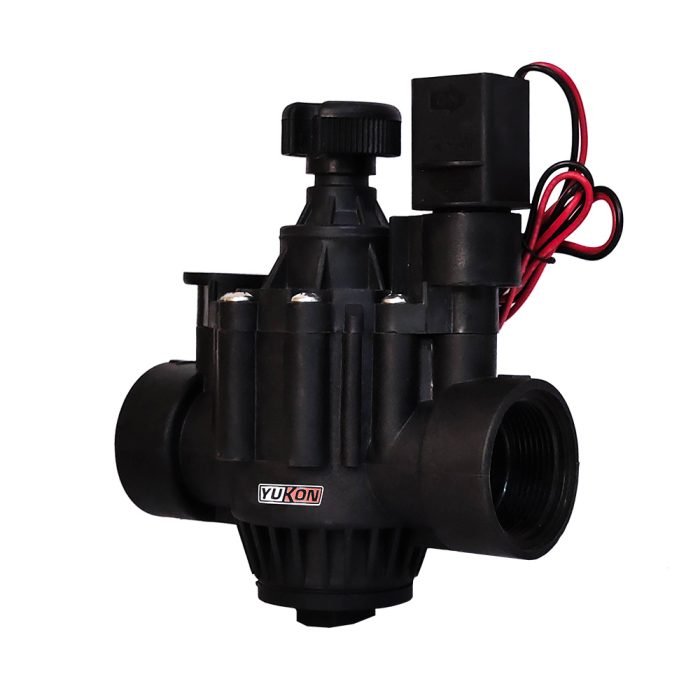
Efficient water management has become increasingly important across agriculture, landscaping, nurseries, commercial properties, and industrial irrigation projects. As irrigation systems become more automated, reliable flow-control components are essential for delivering water accurately and consistently. Industrial irrigation solenoid valves are an important part of these systems because they allow water flow to be controlled automatically through electrical signals.
By combining solenoid valves with irrigation controllers, sensors, timers, and pumping equipment, users can create organized watering systems that reduce manual intervention and improve overall efficiency.
Understanding Industrial Irrigation Solenoid Valves
A solenoid valve is an electrically operated valve that controls the movement of water through a pipeline. When the valve receives an electrical signal, its internal mechanism moves to either open or close the water passage.
This operation allows irrigation systems to control separate watering zones according to programmed schedules. Instead of manually operating individual valves, users can manage multiple sections through a centralized controller.
This makes solenoid valves particularly useful for larger irrigation networks where precise water distribution is required.
Improving Water Distribution
One of the main advantages of automated irrigation control is the ability to distribute water according to specific requirements. Different areas may require different watering durations depending on plant types, soil conditions, climate, and seasonal changes.
Solenoid valves allow individual zones to be controlled independently. This can help prevent unnecessary watering and ensure that each area receives an appropriate amount of water.
Efficient scheduling can also reduce water waste and support more responsible resource management.
Key Benefits
Industrial irrigation solenoid valves can provide several practical advantages:
- Automated operation: Allows irrigation cycles to be controlled electronically.
- Zone management: Enables separate sections to receive different watering schedules.
- Consistent performance: Supports repeatable opening and closing cycles.
- Reduced manual work: Minimizes the need for frequent manual valve operation.
- Efficient water management: Helps deliver water according to programmed requirements.
These features make automated valves valuable for large and complex irrigation systems.
Applications Across Different Environments
Automated irrigation valves can be used in many applications. Agricultural fields may use them to control irrigation zones across large cultivation areas. Nurseries and greenhouses can use automated watering schedules to provide consistent moisture to plants.
They can also be installed in landscaping projects, sports grounds, parks, gardens, commercial properties, and other environments where controlled water distribution is required.
The valve configuration should always be selected according to the specific operating conditions of the application.
Selecting the Right Valve
Choosing an appropriate valve requires careful consideration of the irrigation system’s technical requirements. Important factors include pipeline size, water pressure, flow rate, electrical specifications, connection type, valve material, and installation environment.
The water quality should also be considered because suspended particles or contaminants can affect valve performance. Suitable filtration can help protect the valve and other irrigation components.
Selecting a valve that matches the system specifications can improve reliability and reduce maintenance issues.
Importance of Quality Manufacturing
Manufacturing quality directly affects the performance and service life of a solenoid valve. Components such as the body, diaphragm, coil, seals, and internal mechanism must work together accurately.
Quality-control procedures may include pressure testing, electrical testing, leakage inspection, dimensional checks, and functional testing.
Consistent manufacturing can help ensure reliable operation during repeated irrigation cycles.
Smart Irrigation Integration
Modern irrigation systems can combine solenoid valves with smart controllers and sensors. Soil moisture sensors, weather information, flow meters, and programmable controllers can provide additional control over irrigation schedules.
For example, irrigation can be adjusted according to changing weather conditions or soil moisture levels. This approach can help avoid unnecessary watering while supporting healthier landscape and agricultural environments.
Installation and Maintenance
Proper installation is essential for reliable valve performance. Connections should be secure, pipelines should be correctly aligned, and electrical components should be protected from unsuitable environmental conditions.
Regular maintenance may include checking filters, inspecting electrical connections, monitoring valve operation, and identifying leaks.
Keeping the irrigation system clean can also help reduce the risk of blockages that may interfere with valve operation.
Long-Term Performance
The service life of a solenoid valve depends on water quality, operating pressure, electrical conditions, installation quality, frequency of operation, and maintenance practices.
Operating the valve within its recommended specifications can help reduce premature wear. Regular inspection can also identify potential problems before they affect the wider irrigation network.
Conclusion
Industrial irrigation solenoid valves provide an effective way to automate and manage water distribution across agricultural, landscaping, commercial, and industrial applications. Their ability to control individual irrigation zones can improve convenience, consistency, and water-management efficiency.
By selecting suitable valve specifications, maintaining proper filtration, integrating smart control technologies, and following correct installation procedures, users can develop more reliable irrigation systems. Regular maintenance and responsible operation can further support long-term performance, making automated solenoid valves an important component of modern irrigation infrastructure.


