 WhatsApp Us Now
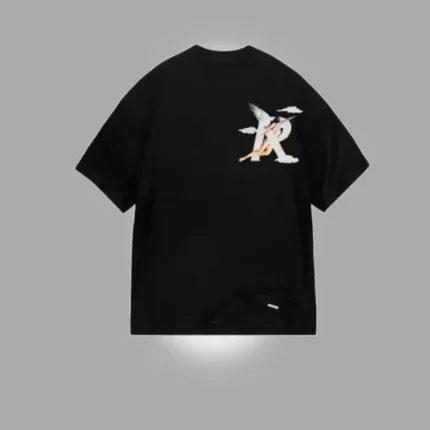
Represent T-Shirt styling can be the starting point for a surprisingly versatile wardrobe. A well-chosen T-shirt can work with relaxed denim for a casual afternoon, cargos for a utility-inspired outfit or tailored trousers when a cleaner appearance is needed. That flexibility is one reason contemporary streetwear continues to influence everyday fashion across the UK.
Modern streetwear is no longer limited to one particular subculture or visual formula. It combines elements of sportswear, workwear, skate style, contemporary fashion and classic casual dressing. The result can be understated and minimal or bold and expressive, depending on how individual pieces are combined.
For British wardrobes, practicality matters too. Unpredictable weather makes layering useful, while busy routines often demand clothing that can transition between different settings.
Rather than constantly replacing clothes to follow trends, a more effective approach is to understand fit, proportion, colour, texture and versatility. These fundamentals make it easier to create outfits that feel current without becoming overly dependent on seasonal fashion.
Why Modern Streetwear Works for Everyday UK Dressing
Streetwear has changed considerably over the years. What began through distinct cultural movements now influences everything from casual basics to contemporary designer collections.
Yet its everyday appeal remains relatively simple: comfort and personality can exist in the same outfit.
A modern streetwear wardrobe might include:
- Relaxed T-shirts
- Hoodies and sweatshirts
- Straight or loose-fit denim
- Cargo trousers
- Overshirts
- Lightweight jackets
- Practical outerwear
- Everyday trainers
- Caps and crossbody bags
None of these pieces has to be particularly complicated. The styling comes from their relationship with one another.
For example, a plain T-shirt with straight jeans creates a straightforward casual look. Swap the jeans for wide-leg trousers and add a shorter jacket, and the same top can feel considerably more contemporary.
This adaptability is particularly useful in the UK. An outfit may need to work for a morning commute, a casual lunch and an evening out without requiring a complete change of clothes.
Finding the Right T-Shirt Fit
The T-shirt is one of the most frequently worn garments in many wardrobes, which makes fit especially important.
A regular fit generally creates a cleaner outline. A relaxed fit provides more room through the chest and body, while an oversized cut creates a more pronounced silhouette.
There is no universally correct choice.
The best fit depends on your proportions, comfort preferences and the rest of your wardrobe. Someone who prefers wide-leg trousers might choose a boxy T-shirt with a slightly shorter body to create balance. Someone wearing straight denim may prefer a longer relaxed T-shirt.
Fabric also influences the final appearance.
A heavyweight cotton T-shirt tends to hold its shape and can give an outfit more structure. Lighter fabrics may work better during warmer weather or underneath several additional layers.
Check Measurements Before Buying
Size labels are not always consistent between garments. When shopping online, look at measurements wherever possible.
Pay attention to:
- Chest width
- Shoulder width
- Sleeve length
- Garment length
- Overall cut
If you own a T-shirt that fits particularly well, compare its measurements with the new garment.
For anyone exploring contemporary streetwear, Represent provides a useful reference point for seeing how modern proportions, T-shirt designs and casual styling can be incorporated into a broader wardrobe.
The most important consideration is still personal suitability. A garment should work with your proportions and lifestyle rather than simply looking appealing in isolation.
Using Proportion to Create a Stronger Silhouette
Proportion is one of the most useful concepts in streetwear styling.
Consider the amount of visual volume in the upper and lower parts of an outfit. A very oversized T-shirt paired with extremely wide trousers creates a deliberately large silhouette. That can work, but it requires more attention to length, footwear and outerwear.
For a simpler starting point, introduce contrast.
Try combinations such as:
- Oversized T-shirt with straight-leg jeans
- Boxy T-shirt with relaxed cargos
- Wide-leg trousers with a shorter jacket
- Loose denim with structured outerwear
- Relaxed hoodie with cleaner-cut trousers
These combinations are guidelines rather than rules.
The purpose of understanding proportion is to give you more control. Once you know how volume affects an outfit, you can intentionally break the conventional balance when you want a more dramatic appearance.
Footwear also plays a role. Wider trousers often benefit from shoes with enough visual weight to keep the lower part of the outfit balanced.
The result should not necessarily look perfectly symmetrical. It should simply look considered.
Building a Wearable Streetwear Colour Palette
A coordinated colour palette makes dressing easier because individual pieces have more potential combinations.
Neutral shades such as black, white, grey, navy, cream and stone are particularly flexible. Olive, brown and muted green can also introduce variation without making outfits difficult to coordinate.
A neutral wardrobe does not need to be dull.
Texture, silhouette and small colour differences can create plenty of visual interest. You can also introduce brighter colours through one carefully chosen piece.
Three Simple Colour Methods
Tonal styling involves combining different shades of a similar colour. Grey trousers, a charcoal T-shirt and a lighter jacket can create a subtle layered effect.
Neutral foundations use restrained colours throughout most of the outfit while allowing one item to provide contrast. A colourful T-shirt or pair of trainers can become the focal point.
Light-and-dark combinations use contrast deliberately. A pale top with dark trousers and outerwear is a simple example.
If you are building a wardrobe from scratch, starting with versatile colours can make the process easier. Once the basics work together, stronger colours can be added without disrupting the entire wardrobe.
Layering Streetwear for British Weather
Layering is one of the most practical elements of UK streetwear.
Temperatures can change during the day, and conditions can vary considerably between seasons. A layered outfit allows you to respond without sacrificing the overall look.
A useful structure is:
Base layer: T-shirt or long-sleeve top.
Middle layer: Sweatshirt, hoodie, overshirt or knitwear.
Outer layer: Jacket or coat appropriate to the weather.
The weight of each layer should be considered carefully.
A heavyweight T-shirt combined with a thick hoodie may already create a warm outfit. Adding a large coat could then make the silhouette unnecessarily bulky. On a milder day, a T-shirt and lightweight overshirt might provide enough coverage.
Layering is also an opportunity to introduce texture.
Cotton, denim, fleece, nylon and wool each have different visual qualities. Combining two or three textures can make a neutral outfit more interesting without adding bold graphics.
Make Every Layer Useful
Before adding another layer, ask what it contributes.
Does it:
- Add warmth?
- Protect against rain or wind?
- Improve the silhouette?
- Add useful texture?
- Make the outfit easier to adapt?
If the answer is no to all five, the layer may not be necessary.
Pairing T-Shirts With Different Trouser Styles
A versatile T-shirt can take on several different personalities depending on the trousers underneath it.
Straight-Leg Denim
Straight denim is an easy starting point. It creates a relatively balanced silhouette and works with both regular and relaxed T-shirts.
Dark denim can produce a cleaner appearance, while lighter or faded washes tend to feel more casual.
Cargo Trousers
Cargos bring a functional, utilitarian influence to streetwear. Their pockets and hardware already provide visual detail, so a relatively simple T-shirt can help maintain balance.
Wide-Leg Trousers
Wide trousers offer a more contemporary silhouette. They can work especially well with boxy T-shirts and shorter jackets.
Pay attention to the hem and footwear. Too much fabric gathering around the ankle can change the proportions of the entire outfit.
Tailored Trousers
Tailored trousers introduce contrast. Combining them with a relaxed T-shirt and casual footwear can create a refined streetwear look suitable for smart-casual situations.
This versatility means you do not necessarily need a large number of T-shirts. A few well-chosen designs can work across several categories of trousers.
Choosing Footwear That Completes the Outfit
Footwear has a significant effect on the balance of a streetwear outfit.
Chunkier trainers often work naturally with wide or relaxed trousers because they provide visual weight at the bottom of the silhouette. Cleaner trainers can create a more understated appearance with straight-leg trousers.
Colour is another consideration.
Black, white, grey and off-white footwear are generally easy to coordinate. More distinctive colours can be useful when you want your shoes to become the focal point of an otherwise restrained outfit.
However, everyday footwear needs to be practical as well as stylish.
Think about:
- Comfort during long periods of walking
- Weather conditions
- Compatibility with your trousers
- Ease of cleaning
- Frequency of use
- Whether the design fits your existing wardrobe
The most useful pair is often the one you can wear repeatedly with different outfits.
Adding Accessories Without Overcomplicating the Look
Accessories can give a familiar outfit more personality, but they do not need to dominate.
A cap, crossbody bag, watch or simple jewellery can provide a finishing detail. Functional accessories are particularly useful because they combine visual appeal with a genuine purpose.
For example, a compact crossbody bag can work with relaxed trousers and a T-shirt while providing space for everyday essentials.
The main consideration is balance.
If the outfit already contains a graphic T-shirt, distinctive trousers and noticeable footwear, adding several statement accessories may create too much visual competition.
Instead, identify the strongest element of the outfit.
If the clothing is minimal, a more distinctive accessory can add interest. If the clothing is already detailed, simpler accessories may create a cleaner finish.
This approach keeps the outfit cohesive without making it feel overly styled.
Creating a Versatile Wardrobe With Fewer Pieces
A good streetwear wardrobe does not have to be enormous.
In fact, owning fewer pieces can make it easier to understand what works together. The goal is to choose clothing with enough versatility to create different combinations.
Before buying something new, consider whether it:
- Works with several existing garments
- Can be worn in more than one season
- Suits your daily routine
- Offers a useful change in colour or silhouette
- Is comfortable enough for frequent wear
- Can be maintained without excessive effort
This approach can also reduce duplication.
If you already have several similar black T-shirts, buying another may not add much variety. A different fit, fabric, colour or graphic could offer more value.
Carry Out a Wardrobe Audit
A simple wardrobe review can help identify what you actually need.
Look for:
- Pieces you wear frequently.
- Items that no longer fit.
- Clothes that rarely leave the wardrobe.
- Duplicate garments.
- Genuine gaps that prevent existing pieces from working together.
The results can reveal useful patterns.
If you repeatedly wear relaxed T-shirts, straight trousers and neutral colours, those preferences are worth recognising. They can guide future purchases more effectively than temporary trends.
Developing a Personal Streetwear Identity
There is a difference between taking inspiration from streetwear and copying a complete outfit.
Personal style develops when you identify the elements that genuinely appeal to you.
You might prefer:
- Oversized silhouettes
- Minimal branding
- Graphic T-shirts
- Neutral colour palettes
- Technical fabrics
- Vintage influences
- Smart-casual combinations
These preferences can be mixed.
Someone who enjoys tailoring might introduce streetwear through relaxed T-shirts and trainers. Someone who prefers minimalist clothing could experiment with oversized proportions without using bold graphics.
The objective is not to fit neatly into one category.
Trends can provide ideas, but your wardrobe should ultimately reflect how you actually dress. If a particular silhouette feels uncomfortable or impractical, there is little reason to force it into your style simply because it is fashionable.
Personal style becomes stronger through experimentation. Every combination teaches you more about what works for your proportions, routine and preferences.
Shopping More Intentionally for Streetwear
Online fashion provides almost unlimited choice. That can be useful, but it can also encourage unnecessary purchases.
A simple decision-making process can help.
Ask Five Questions
1. Does it fit properly?
Check measurements and consider the complete silhouette.
2. What can I wear it with?
Think of at least three realistic combinations using clothes you already own.
3. Does it fill a gap?
A new item should ideally add something that your current wardrobe does not already provide.
4. Will I wear it regularly?
Consider your actual lifestyle rather than an imagined occasion.
5. Does it have lasting appeal?
A trend may attract attention today, but pieces that align with your personal taste are more likely to remain useful.
Taking time before making a non-essential purchase can also help. If you still want an item after considering its fit, versatility and purpose, the decision is more likely to be deliberate.
Fashion should remain enjoyable. Being intentional does not mean removing personality or experimentation from your wardrobe. It simply means making sure new pieces have a genuine reason to be there.
Conclusion
Building a modern streetwear wardrobe is less about owning the latest clothes and more about understanding how individual pieces work together. Fit, proportion, colour, texture and layering all influence the final appearance, while comfort and practicality determine whether an outfit actually works in everyday life.
For UK wardrobes, versatility is especially valuable. A T-shirt can provide the foundation for different looks throughout the year, while sweatshirts, overshirts and outerwear allow the same core pieces to adapt to changing weather.
Trousers can change the character of an outfit just as dramatically. Straight denim offers a dependable casual option, cargos introduce utility, wide-leg styles create additional volume and tailoring can bring a more refined edge.
The best approach is to build gradually around garments you genuinely enjoy wearing. Check measurements, consider multiple outfit combinations and pay attention to what you repeatedly reach for.
Streetwear does not need to be complicated to feel distinctive. When comfort, personal preference and thoughtful styling come together, even a relatively simple wardrobe can produce outfits that feel contemporary, practical and individual.
FAQs
1. What makes a T-shirt suitable for streetwear?
A suitable T-shirt generally combines a comfortable fit with fabric and proportions that work with relaxed casual clothing. Regular, relaxed and oversized cuts can all be effective.
2. Is an oversized T-shirt suitable for everyday wear?
Yes. An oversized T-shirt can be highly versatile when its length, sleeve proportions and overall volume are balanced with the rest of the outfit.
3. What trousers work well with streetwear T-shirts?
Straight denim, relaxed jeans, cargos, wide-leg trousers and tailored styles can all work. The best option depends on the silhouette and occasion.
4. What colours should I start with when building a streetwear wardrobe?
Black, white, grey, navy, cream, stone and olive are useful foundations. They can be combined easily and provide a base for stronger accent colours.
5. How can I dress for unpredictable UK weather?
Use adaptable layers. Start with a T-shirt, add a sweatshirt or overshirt when necessary and finish with a suitable jacket or coat.
6. Can streetwear be worn for a smart-casual occasion?
Yes. Try combining a clean T-shirt with tailored trousers, a structured jacket and understated trainers for a more polished interpretation.
7. How can I make a small wardrobe feel more varied?
Choose pieces that work in multiple combinations. Changing trousers, footwear, outerwear and accessories can give the same basic garments several different looks.
8. How do I develop a streetwear style that feels personal?
Pay attention to the colours, fits, silhouettes and textures you naturally enjoy. Use trends as inspiration, but adapt them to your own lifestyle instead of copying complete outfits.


