 WhatsApp Us Now
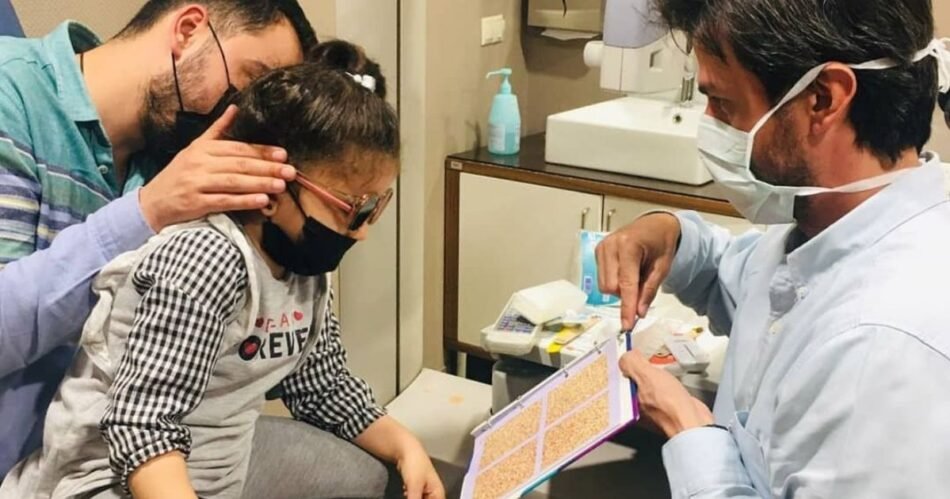
Esotropia surgery is an eye muscle operation used to improve inward eye misalignment when glasses, prisms, exercises, or other treatments do not provide enough correction. The surgeon adjusts selected eye muscles to improve alignment. It can be performed in children and adults, but the right treatment depends on the type and severity of the esotropia, vision in each eye, and previous treatments.
What Is Esotropia?
Esotropia is a type of strabismus in which one or both eyes turn inward. The condition may be constant or appear only at certain times. In children, untreated eye misalignment can affect visual development and may contribute to amblyopia, commonly called lazy eye.
Adults can also develop or continue to have esotropia. It may affect appearance, confidence, depth perception, and sometimes cause double vision. A detailed eye examination is important before choosing treatment.
When Is Esotropia Surgery Recommended?
Surgery is not automatically the first treatment. Depending on the patient, treatment may include prescription glasses, prism glasses, patching for amblyopia, exercises, or injections.
Surgery may be considered when:
- Eye alignment remains poor despite appropriate non-surgical treatment
- The inward deviation is significant or persistent
- Double vision or visual problems affect daily activities
- The condition affects social confidence or quality of life
- A child needs better eye alignment to support visual development
The decision should be based on measurements taken during a specialist examination rather than appearance alone.
How Is Esotropia Surgery Performed?
The operation works on the small muscles that control eye movement. Depending on the deviation, the surgeon may weaken one muscle, strengthen another, or change the position of a muscle.
Before surgery, the amount and direction of eye deviation are carefully measured. The number of muscles treated can vary, so the procedure and operating time are different for each patient.
At the clinic, strabismus surgery is generally described as taking around 30 to 60 minutes, although the duration can increase when more muscles require treatment.
Children vs Adults
| Factor | Children | Esotropia surgery |
|---|---|---|
| Anaesthesia | General anaesthesia is commonly preferred | Local or general anaesthesia may be considered |
| Main concerns | Alignment and visual development | Alignment, appearance and double vision |
| Non-surgical options | Glasses, patching and other treatments | Prisms and selected injections may be useful |
| Surgery | Possible when indicated | Possible at any age |
Strabismus Surgery Cost
The Strabismus surgery cost is not the same for every patient. It can depend on the number of muscles treated, the complexity of the deviation, the required examinations, anaesthesia, and individual health factors.
A fixed online price may therefore be misleading. A detailed examination is needed before an accurate surgical fee can be provided. Online consultation may also help patients discuss their medical history and previous treatment before travelling for care.
Key takeaway: The best treatment and expected cost of esotropia surgery can only be determined after measuring the eye deviation and reviewing the patient’s complete eye history.
Recovery After Surgery
Mild redness, irritation, or stinging is common after eye muscle surgery. These symptoms usually improve during the following days and weeks. Temporary double vision can also occur as the brain adapts to the new eye position.
Follow your surgeon’s instructions carefully, especially regarding prescribed eye drops and follow-up examinations.
Recovery Checklist
- Use prescribed medicines as directed
- Attend the scheduled follow-up examination
- Avoid rubbing the eyes
- Ask when normal exercise and swimming can resume
- Report severe or unusual symptoms promptly
Is Esotropia Surgery Safe?
Like other operations, esotropia surgery has possible risks. These can include undercorrection, overcorrection, temporary double vision, redness, infection, and, very rarely, serious visual complications. Some patients may need another procedure if the eyes become misaligned again.
This does not mean surgery is unsuitable. It means the expected benefits and risks should be discussed individually with an experienced eye specialist.
Final Thoughts
Esotropia surgery can be an effective option when inward eye misalignment does not respond adequately to non-surgical treatment. Careful measurements, an individualized surgical plan, and appropriate follow-up are important for achieving the best possible alignment.
If you are considering treatment, learn more about available options through the eye care services or contact Doç. Dr. Halil Hüseyin Çağatay for an individual assessment and treatment discussion.
FAQs About Esotropia Surgery
1. Can esotropia surgery be performed in adults?
Yes. Strabismus surgery can be performed at any age when it is medically appropriate.
2. Is surgery always necessary for esotropia?
No. Some patients can be managed with glasses, prisms, patching, exercises, or other treatments.
3. How long does esotropia surgery take?
The procedure commonly takes around 30 to 60 minutes, but the time depends on how many muscles need treatment.
4. Can esotropia return after surgery?
Yes. Recurrence or residual misalignment can occur, and some patients may require additional treatment.
5. Will surgery improve vision?
The main goal is to improve eye alignment. Visual improvement depends on the underlying condition and whether problems such as amblyopia are also present.


