 WhatsApp Us Now
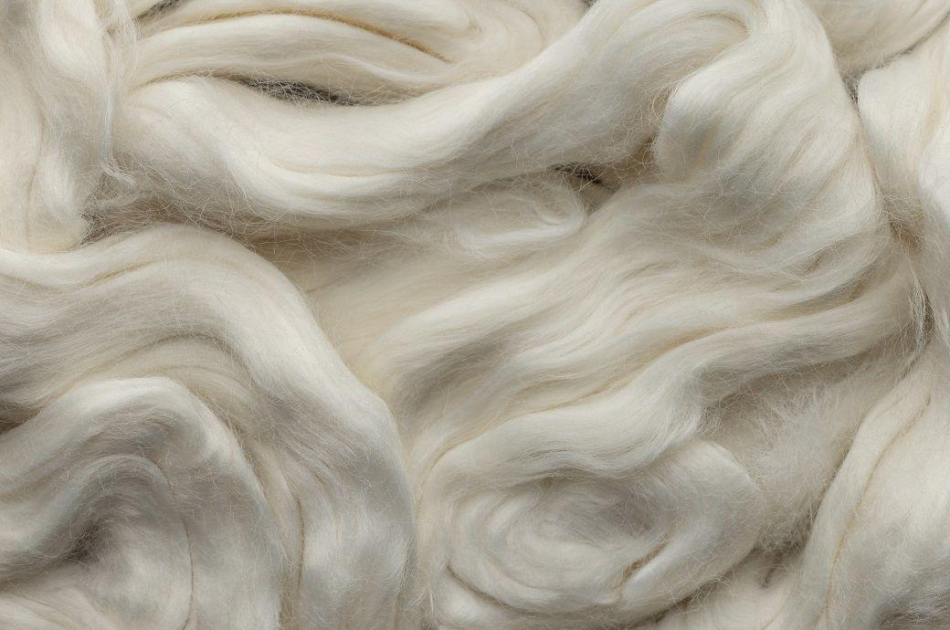
Viscose fiber is one of the oldest man-made fibers still in wide use today. It sits in an unusual middle ground: made from natural cellulose, but processed through a chemical route that gives it properties closer to a synthetic. That combination is exactly why it remains a staple in apparel, home textiles, and industrial fabrics more than a century after its invention.
What Is Viscose, Exactly?
Viscose is a regenerated cellulose fiber, meaning it starts as natural plant material, usually wood pulp, and is chemically dissolved and re-spun into a fiber form. Because the source material is cellulose, viscose is often grouped with natural fibers in marketing, even though the manufacturing process is entirely industrial. This is the detail that trips up a lot of buyers: it isn’t synthetic in the polyester or nylon sense, but it isn’t spun directly from a plant fiber like cotton either.
How It’s Produced
The production process runs in a few defined stages:
- Pulp preparation: wood pulp (commonly from eucalyptus, beech, or pine) is purified and treated with caustic soda to produce alkali cellulose.
- Xanthation: the alkali cellulose reacts with carbon disulfide, converting it into a soluble compound called cellulose xanthate.
- Dissolving: the xanthate is dissolved in a dilute caustic soda solution, producing a thick, viscous liquid, the step that gives viscose its name.
- Spinning: the viscous solution is extruded through fine spinnerets into an acid bath, which regenerates the cellulose into solid filaments.
- Finishing: the filaments are washed, bleached, and cut or wound depending on the intended yarn or fabric application.
This wet-spinning process is what separates viscose from fully synthetic fibers, which are typically melt-spun from petroleum-based polymers, and from mechanically processed natural fibers like cotton, which require no chemical regeneration at all.
Key Properties
- Breathability: comparable to cotton, making it a common warm-weather fabric choice
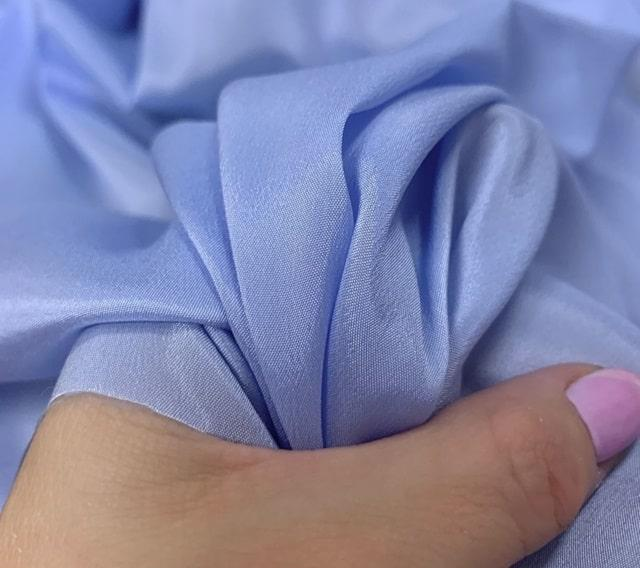
- Drape: a soft, fluid hand-feel that mimics silk more closely than most other affordable fibers
- Absorbency: highly absorbent, which is why it’s frequently blended for moisture-wicking applications
- Dye affinity: takes color vividly and evenly, supporting rich, saturated shades
- Lower wet strength: loses a significant portion of its tensile strength when wet, which affects care requirements and garment construction choices
- Biodegradability: breaks down more readily than petroleum-based synthetics, since the base material remains cellulose
Common Uses
Viscose shows up across a wide range of end products, largely because its properties split the difference between cotton and silk at a lower cost than either:
- Apparel: blouses, dresses, linings, and lightweight summer clothing
- Home textiles: curtains, upholstery blends, and bedding
- Nonwovens: wipes, hygiene products, and medical textiles
- Industrial applications: tire cord (in its high-tenacity form) and specialty filtration materials
Viscose vs. Other Regenerated Fibers
Viscose is sometimes confused with newer regenerated cellulose fibers like modal and lyocell, which use different solvent systems and generally offer higher wet strength and a smaller environmental footprint per unit produced. The core distinction worth remembering: all three start from wood pulp, but the chemical process used to dissolve and re-spin that pulp is what defines the fiber’s final name, performance profile, and production impact.
The Takeaway
Viscose fiber occupies a genuinely useful niche: natural in origin, industrial in process, and versatile enough to appear in everything from fast fashion to filtration media. Understanding where it comes from and how it’s made explains both its strengths, softness, drape, breathability, and its limitations, particularly around wet strength and care.


