 WhatsApp Us Now
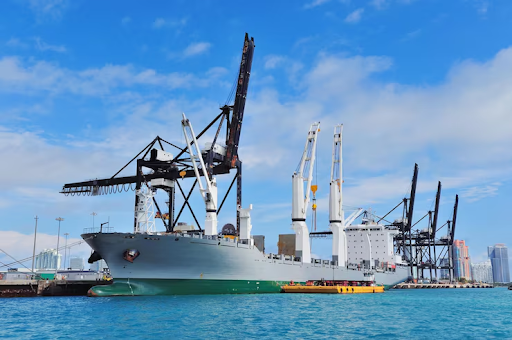
Martin County’s waterfront is among the most prized in South Florida. The Indian River Lagoon, the St. Lucie River, and access to the Atlantic Intracoastal Waterway make the area a destination for boaters, fishing enthusiasts, and waterfront homeowners who want to build or maintain marine infrastructure that holds up against Florida’s demanding coastal environment.
Building or maintaining a dock, seawall, boat lift, or marine structure in Martin County is not the same as a land-based construction project. The regulatory environment is more complex, the materials must be specified for saltwater exposure, and the construction methods are different. Choosing the right contractor — one with specific expertise in this environment and county — is the most consequential decision in any waterfront project.
What Marine Construction Encompasses
Marine construction covers the full range of structures and improvements associated with waterfront property. This includes new dock construction, dock repairs and upgrades, seawall installation and repair, boat lift installation, pile driving, marine electrical work, and ongoing maintenance programs that extend the life of waterside infrastructure.
Each of these project types has its own technical demands and permitting requirements. A dock project involves pile driving, decking, hardware installation, and compliance with navigation clearance requirements. A seawall project requires geotechnical assessment of soil conditions, appropriate panel and anchor system selection, and careful management of the construction process to avoid destabilizing adjacent structures.
The unifying discipline across all of these project types is the knowledge of how materials, fasteners, and structural systems behave in a marine environment over time — and how to specify and build them so that they last.
Why Martin County Experience Matters
Martin County has specific regulatory requirements and permitting processes that differ from neighboring Palm Beach and St. Lucie Counties. The county has made significant investments in protecting the Indian River Lagoon and St. Lucie Estuary, and environmental review requirements for marine construction reflect those priorities.
Contractors experienced in Marine Construction in Martin County understand the local permitting landscape — which agencies have jurisdiction over specific waterway types, what documentation is required for each permit type, and how to navigate the review process efficiently. They also bring relationships with local subcontractors — pile drivers, marine electricians, surveyors — that streamline project timelines and reduce coordination risk.
Local experience also means familiarity with the specific soil and water conditions along Martin County’s waterways. Soil bearing capacity, tidal range, and water depth profiles vary significantly across the county. Contractors who have worked extensively in the area carry institutional knowledge that informs better pile specifications, foundation designs, and maintenance recommendations.
Material Selection for Longevity
In Florida’s saltwater and brackish water environments, material selection is not a cosmetic decision — it is a structural one. The wrong fastener corrodes and fails, compromising the connections that hold a dock or seawall together. The wrong decking material absorbs moisture, warps, and degrades, requiring premature replacement. The wrong pile material succumbs to marine organism boring or saltwater corrosion long before its design life should have expired.
Modern marine construction in Florida relies heavily on materials specifically developed for these conditions: composite decking that resists UV degradation and moisture absorption, stainless or hot-dipped galvanized hardware, vinyl sheet pile for seawalls, and concrete or composite piles for structural foundations. An experienced contractor specifies these materials appropriately for each application rather than defaulting to the cheapest option available.
Maintenance Programs That Prevent Major Costs
One of the most cost-effective approaches to marine infrastructure ownership is a structured maintenance program — regular inspections and preventive maintenance that identify minor issues before they become major failures.
In Florida’s marine environment, the maintenance list for waterfront structures is specific: annual inspection of pile condition and marine organism attachment, hardware lubrication and replacement as needed, decking board inspection for soft spots or failed fasteners, seawall cap and panel inspection, boat lift mechanism servicing, and fresh water flushing of electrical and mechanical components.
Property owners who invest in annual marine maintenance consistently spend less over time than those who defer maintenance until visible damage demands attention. The compounding nature of marine structural deterioration — each failure accelerating adjacent failures — makes early intervention the most economical strategy.
Choosing the Right Contractor
The marine construction contractor a property owner selects will determine the quality of every project they undertake on their waterfront for years to come. Licensing, insurance, demonstrated experience with comparable projects in Martin County specifically, and the ability to provide references from completed local work are the minimum standards for evaluation.
A contractor who understands the local environment, the local regulations, and the long-term performance expectations of marine materials in this specific area is worth the due diligence required to identify and engage them.


