 WhatsApp Us Now
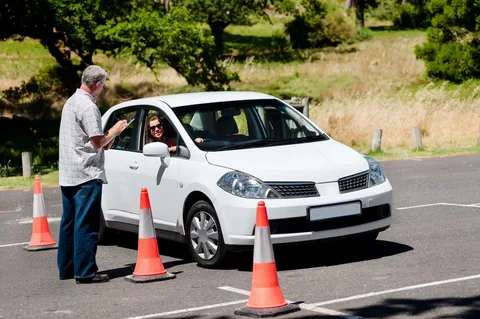
Learning to drive is one of life’s most valuable milestones. It provides independence, creates new career opportunities, and makes everyday travel significantly more convenient. However, becoming a safe and responsible driver requires much more than simply passing the driving test. Quality instruction, regular practice, and a strong understanding of road safety all contribute to long-term driving success.
For learners seeking driving lessons Blackburn, choosing the right learning approach can make a noticeable difference in both confidence and driving ability. Across Lancashire, driving instruction continues to evolve with modern teaching methods, updated safety standards, and a stronger focus on preparing learners for real-world driving situations rather than simply helping them pass an examination.
Why Professional Driving Lessons Matter More Than Ever
Road networks continue to become busier, with increasing traffic volumes, new vehicle technologies, and changing road regulations creating additional challenges for new drivers. Professional instruction provides structured learning that helps students develop safe habits from the very beginning.
An experienced driving instructor teaches far more than vehicle control. Learners also gain valuable knowledge about:
- Defensive driving techniques
- Hazard perception
- Road positioning
- Fuel-efficient driving
- Eco-friendly driving habits
- Emergency response skills
- Parking in different environments
- Navigating complex roundabouts and junctions
Developing these abilities early helps reduce stress while increasing confidence behind the wheel.
Modern Driving Education Focuses on Real-Life Skills
Today’s driving instruction has shifted beyond memorising test routes. Instead, instructors increasingly prepare learners for situations they will regularly encounter after passing their test.
These include:
- Busy town centre traffic
- Rural Lancashire roads
- Dual carriageways
- Motorway awareness
- Night driving
- Driving during poor weather
- Independent route planning
This practical approach ensures learners become adaptable drivers who can respond safely in changing road conditions.
As learner expectations continue evolving, many schools now combine traditional teaching methods with personalised lesson planning, allowing students to progress at a pace that matches their experience and confidence level.
Common Challenges New Drivers Face
Learning to drive involves overcoming several challenges that many first-time drivers experience.
Managing Nervousness
Driving anxiety is completely normal. Many learners initially struggle with busy intersections, multi-lane roads, or heavy traffic. Consistent practice with a qualified instructor gradually transforms uncertainty into confidence.
Developing Hazard Awareness
Spotting hazards before they become dangerous is one of the most valuable driving skills. Professional lessons encourage learners to constantly scan mirrors, observe traffic flow, anticipate pedestrian movement, and recognise potential risks earlier.
Mastering Vehicle Control
Smooth steering, controlled braking, clutch control (for manual vehicles), and precise parking all require repetition. Structured lessons allow learners to improve these essential techniques without feeling overwhelmed.
Building Independent Decision-Making
Eventually, learners must become comfortable making safe decisions without relying on instructor guidance. Gradually increasing driving independence helps prepare students for everyday driving after passing their practical test.
Key Features of Effective Driving Lessons
High-quality driving instruction generally shares several important characteristics.
Personalised Learning
Every learner develops differently. Some quickly master vehicle control, while others require additional time for manoeuvres or complex road layouts.
Flexible lesson planning allows instructors to focus on areas requiring improvement rather than following a rigid schedule.
Consistent Feedback
Constructive feedback helps learners recognise mistakes early while reinforcing positive driving habits.
Rather than simply pointing out errors, experienced instructors explain:
- Why the mistake occurred
- How to correct it
- How to avoid repeating it
This learning process accelerates progress considerably.
Practical Road Experience
Exposure to varied driving environments helps learners become adaptable drivers.
An effective training programme usually includes experience in:
- Residential streets
- Urban roads
- Country lanes
- High-speed roads
- Busy junctions
- Parking facilities
- Roundabouts
- Traffic congestion
Each environment develops different driving skills.
Industry Trends Shaping Driving Lessons in Blackburn
The driving instruction industry continues evolving alongside changing technology and learner expectations.
Growing Demand for Automatic Driving Lessons
As automatic vehicles become increasingly common, many learners now choose automatic instruction. Electric vehicles have also contributed to this trend since most operate without traditional manual gearboxes.
Increased Focus on Eco-Driving
Fuel efficiency and environmentally responsible driving have become important parts of modern instruction.
Learners are encouraged to:
- Maintain smoother acceleration
- Reduce unnecessary braking
- Plan further ahead
- Minimise engine idling
- Improve overall vehicle efficiency
These habits not only reduce fuel consumption but also improve road safety.
Digital Learning Support
Many instructors now complement practical lessons with digital resources, including:
- Online theory preparation
- Hazard perception practice
- Lesson progress tracking
- Digital feedback reports
- Educational driving videos
Combining classroom-style learning with practical experience creates a more complete educational journey.
Practical Tips for Learners Preparing for Driving Lessons
Students can maximise every lesson by developing good preparation habits.
Some practical recommendations include:
- Review previous lesson feedback before each session.
- Practise theory knowledge alongside practical driving.
- Stay well rested before lessons.
- Wear comfortable footwear suitable for driving.
- Ask questions whenever something feels unclear.
- Focus on gradual improvement rather than perfection.
- Practise observation routines consistently.
Small improvements made every lesson eventually lead to significant progress.
Choosing the Right Driving Instructor
Finding the right instructor often has a greater impact than many learners realise.
Important qualities include:
- Clear communication
- Patience
- Professional qualifications
- Local road knowledge
- Structured lesson planning
- Positive learning environment
- Ability to adapt teaching methods
A supportive instructor helps learners remain motivated while reducing unnecessary pressure throughout the learning process.
For learners researching providers in Lancashire, schools such as Street Smart Driving School demonstrate how structured, learner-focused instruction can support individuals with different experience levels and learning styles. Rather than focusing solely on passing the practical test, many modern driving schools aim to develop lifelong safe driving habits.
Blackburn Offers Excellent Learning Opportunities
Blackburn provides an ideal environment for developing comprehensive driving skills because learners encounter a wide variety of road conditions within a relatively small area.
Driving experience may include:
- Residential neighbourhoods
- Busy shopping districts
- Multi-lane roundabouts
- Dual carriageways
- Rural Lancashire roads
- School zones
- Commercial areas
Exposure to these different environments helps learners become more confident before taking their practical driving test.
Long-Term Benefits of Quality Driving Instruction
Professional driving education offers benefits that extend well beyond obtaining a driving licence.
Safe driving habits contribute to:
- Lower accident risk
- Greater driving confidence
- Reduced vehicle wear
- Improved fuel economy
- Better decision-making
- Lower stress during daily commuting
These advantages continue providing value for many years after learners become fully licensed drivers.
Many employers also appreciate candidates who demonstrate safe driving awareness, particularly in roles involving travel or company vehicles.
As the driving industry continues embracing safer practices and smarter technology, ongoing education remains valuable even after passing the driving test.
Conclusion
Choosing professional driving lessons Blackburn is about much more than preparing for a practical examination. It is an investment in lifelong road safety, confidence, and responsible driving behaviour.

