 WhatsApp Us Now
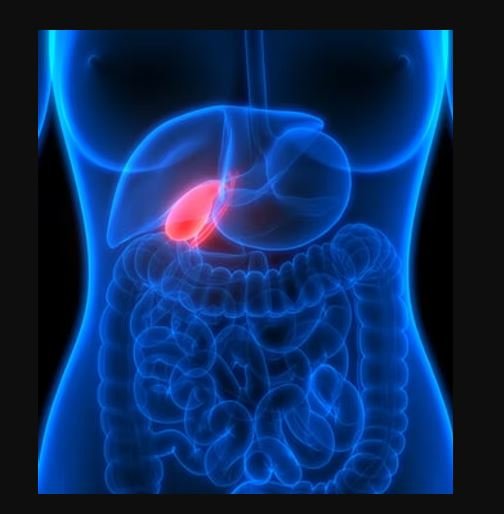
Gallbladder problems can significantly affect your daily life, especially when recurring pain, nausea, or digestive discomfort begins interfering with routine activities. If you have been diagnosed with gallstones or another gallbladder condition, learning more about gallbladder surgery Singapore can help you understand when surgery may be recommended and what to expect throughout the treatment journey. Early diagnosis and timely medical care often reduce the risk of complications while supporting a smoother recovery.
Singapore is well known for its advanced healthcare system, experienced hepatobiliary specialists, and access to modern minimally invasive surgical techniques. Patients seeking local gallbladder care should consider not only the location of the clinic but also the surgeon’s experience, personalized treatment planning, and comprehensive postoperative support. ALPS Clinic provides patient-focused assessments to determine the most suitable treatment approach based on each individual’s condition and medical history.
What Is Gallbladder Surgery?
Gallbladder surgery, medically known as a cholecystectomy, is performed to remove the gallbladder when it causes persistent symptoms or complications. Although the gallbladder stores bile to aid digestion, most people can live normally without it after recovery.
The procedure is commonly recommended when symptoms continue despite conservative treatment or when complications develop.
When Might Gallbladder Surgery Be Recommended?
Not every gallstone requires surgery. However, treatment may become necessary when symptoms become frequent or severe.
Common Conditions That May Require Surgery
| Gallbladder Condition | Why Surgery May Be Considered |
|---|---|
| Symptomatic gallstones | Repeated pain and digestive discomfort |
| Acute gallbladder inflammation | Prevents worsening infection |
| Gallbladder polyps | Evaluation based on size and risk factors |
| Gallstone pancreatitis | Reduces the risk of future episodes |
| Blocked bile duct | Restores normal bile flow after appropriate management |
| Chronic gallbladder disease | Improves long-term quality of life |
An experienced specialist will recommend treatment based on imaging results, symptoms, and overall health.
Symptoms That Should Not Be Ignored
Gallbladder disease often produces recurring symptoms that gradually worsen over time.
Common Warning Signs
Patients should seek medical evaluation if they experience:
- Pain in the upper right abdomen
- Pain after eating fatty meals
- Nausea or vomiting
- Indigestion
- Fever associated with abdominal pain
- Yellowing of the skin or eyes
- Persistent bloating
Prompt assessment helps reduce the likelihood of emergency complications.
Types of Gallbladder Surgery
The recommended procedure depends on your diagnosis and overall medical condition.
Laparoscopic Gallbladder Surgery
This minimally invasive technique uses several small incisions and specialized surgical instruments.
Potential Benefits
- Smaller incisions
- Faster recovery
- Less postoperative discomfort
- Shorter hospital stay
- Minimal visible scarring
Many suitable patients are able to resume normal daily activities sooner following laparoscopic surgery.
Open Gallbladder Surgery
Open surgery may be recommended for more complex gallbladder conditions or when minimally invasive surgery is not appropriate.
Your surgeon will explain which surgical option best suits your individual needs.
What Happens Before Surgery?
Preparing for surgery involves a comprehensive medical evaluation.
Initial Consultation
Your specialist will review:
- Medical history
- Current symptoms
- Previous surgeries
- Medications
- Lifestyle factors
Diagnostic Investigations
These may include:
Blood Tests
Evaluate liver function and detect infection.
Ultrasound Scan
The primary imaging test for gallstones.
CT or MRI
Recommended when additional imaging is necessary.
Recovery After Gallbladder Surgery
Recovery varies depending on the surgical technique and the patient’s overall health.
Recovery Timeline
| Recovery Stage | Typical Expectations |
|---|---|
| First 24 hours | Observation and pain management |
| First week | Gradual return to light daily activities |
| Two to four weeks | Continued healing and increasing mobility |
| Long-term | Normal digestion for most patients with healthy lifestyle adjustments |
Following postoperative instructions supports smoother healing and minimizes complications.
Choosing a Gallbladder Specialist in Singapore
When searching for gallbladder surgery Singapore, patients often look for experienced specialists who offer personalized care and access to modern surgical techniques.
Important considerations include:
Surgical Experience
Choose a specialist experienced in both routine and complex gallbladder procedures.
Advanced Diagnostic Facilities
Comprehensive imaging supports accurate diagnosis and treatment planning.
Individualized Care
Treatment recommendations should reflect each patient’s symptoms, health status, and lifestyle.
Comprehensive Follow-Up
Regular postoperative reviews help ensure proper recovery and long-term digestive health.
Supporting Long-Term Digestive Health
Although the gallbladder is removed during surgery, most people continue to live healthy lives by adopting simple lifestyle habits.
Helpful recommendations include:
- Eating balanced meals
- Gradually reintroducing fatty foods
- Staying physically active
- Maintaining a healthy weight
- Attending scheduled follow-up appointments
Patients seeking additional information about gallbladder surgery in Singapore can benefit from consulting a qualified specialist to discuss treatment options, expected recovery, and personalized care planning.
Conclusion
Understanding gallbladder surgery Singapore empowers patients to make informed healthcare decisions when managing gallstones and other gallbladder conditions. Early diagnosis, comprehensive evaluation, and timely treatment can help relieve symptoms, reduce the risk of complications, and improve overall quality of life. By choosing an experienced specialist, discussing available surgical options, and following personalized recovery guidance, patients can approach treatment with greater confidence and achieve positive long-term outcomes for their digestive health.


