 WhatsApp Us Now
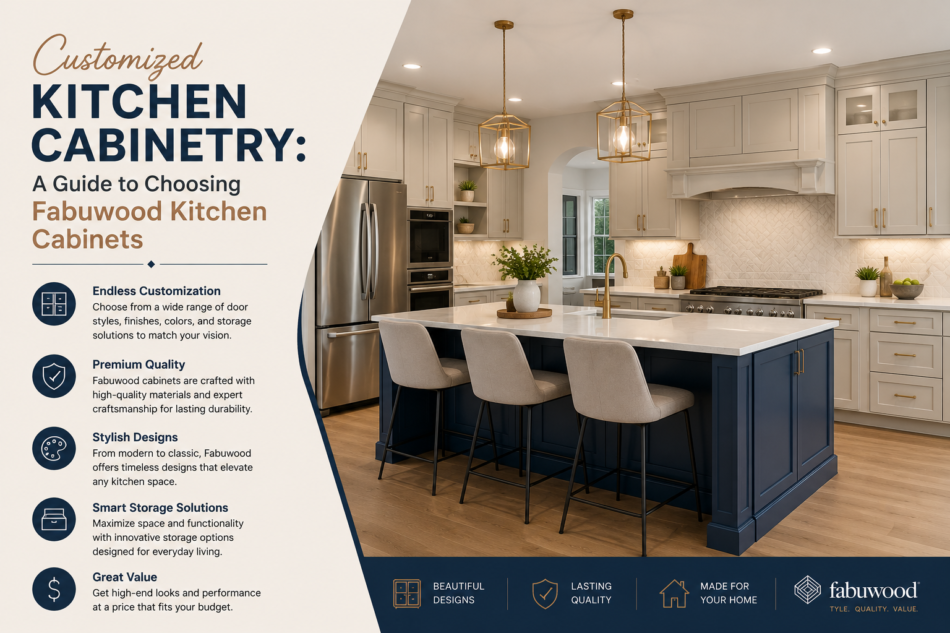
Kitchen cabinets shape the appearance, storage, and daily function of a kitchen. They affect how easily homeowners reach cookware, organize food, use work surfaces, and move between appliances. Because cabinets are used every day, choosing them requires more than finding an attractive door color.
Many homeowners consider customized kitchen cabinetry when standard cabinet sizes do not fit their room or storage needs. A personalized design can account for wall dimensions, ceiling height, appliance placement, difficult corners, and household habits. However, cabinet construction, materials, storage features, and finish quality must still be compared carefully.
For homeowners in Milwaukee, this planning can be especially useful in older houses with narrow layouts, uneven walls, or unusual room dimensions. A suitable cabinet design should improve storage without making the kitchen feel crowded or difficult to use.
What Does Customized Kitchen Cabinetry Mean?
Customized cabinetry is planned around the dimensions and needs of a particular kitchen. It may allow homeowners to choose cabinet sizes, door styles, finishes, hardware, storage accessories, and layout details. Unlike basic stock cabinets, made-to-fit kitchen cabinet designs can make better use of narrow walls, tall ceilings, corners, and spaces beside appliances. This flexibility can help reduce unused gaps while giving the room a more complete appearance.
However, customization should serve a practical purpose. Adding more cabinets is not always the best choice if they block natural light or reduce walking space. The goal should be to create storage that matches the household’s daily routine. For example, a family that cooks often may need deep drawers for pots and pans. Another household may prefer full-height pantry cabinets, tray dividers, or built-in storage for small appliances.
Compare Framed and Frameless Construction
Cabinet construction affects both appearance and interior access. Framed cabinets have a supporting frame attached to the front of the cabinet box. Doors and hinges are connected to this frame. This style is common in traditional American cabinetry and can work well with many door profiles.
Frameless cabinets do not have a wide face frame. Instead, the doors attach directly to the cabinet box. This creates a cleaner exterior and may provide wider access to shelves and drawers. Neither type is automatically better for every kitchen. Homeowners should compare the strength of the cabinet box, shelf thickness, hardware quality, and installation method. A well-built framed cabinet may perform better than a poorly built frameless one. Therefore, the full construction should be reviewed rather than choosing cabinets based only on appearance.
Choose a Cabinet Door Style That Fits the Home
Cabinet doors cover a large part of the kitchen, so their shape strongly affects the room’s style. Shaker doors have a recessed center panel surrounded by a simple frame. They can work in traditional, modern, and transitional kitchens. Slim Shaker doors use narrower frame pieces for a cleaner appearance.
Flat-panel doors have a smooth surface and very little detail. They are commonly used in modern and minimalist kitchens. Recessed-panel doors provide moderate detail without appearing too formal. Raised-panel doors create more depth and often suit traditional interiors. Homeowners should view a complete door sample before ordering. Small pictures may not clearly show the depth, edge shape, texture, or way shadows form across the cabinet surface.
Compare Colors and Finishes Inside the Kitchen
Cabinet colors can appear different under natural and artificial light. A white finish may look warm during the day but cooler under evening lighting. Similarly, gray cabinets may show blue, green, or beige undertones.
Popular cabinet colors include:
- White and soft cream
- Light or charcoal gray
- Navy and muted blue
- Green and natural earth tones
- Black and deep brown
- Light and dark wood finishes
Lighter finishes can help a compact kitchen feel brighter. Darker cabinets can add contrast and visual depth, especially in larger rooms with good lighting. Homeowners should place samples beside their flooring, walls, and nearby furniture. They should also examine the samples at different times of the day. Painted, stained, matte, satin, and textured finishes can also require different care. The best option should suit both the kitchen style and the household’s maintenance preferences.
Plan the Cabinets Around the Kitchen Layout
A cabinet collection may look attractive in a showroom but still be unsuitable for a specific kitchen.
Before ordering, homeowners should confirm:
- Wall dimensions
- Ceiling height
- Window and door locations
- Appliance measurements
- Plumbing and electrical points
- Walking paths
- Door and drawer clearance
- Available preparation space
Tall cabinets should not block windows or make an entrance feel narrow. Wide drawers should have enough room to open without hitting appliances or an island. Frequently used items should also be stored near the areas where they are needed. Cooking tools can remain near the range, while dishes may be placed close to the dishwasher. This type of planning can reduce unnecessary movement and make daily kitchen tasks easier.
Use Storage Features That Solve Real Problems
Good cabinet storage is not simply about fitting more items into the room. It should make those items easier to see, reach, and organize.
Useful features may include:
- Deep drawers for cookware
- Pull-out pantry shelves
- Corner cabinet organizers
- Adjustable shelving
- Built-in waste bins
- Vertical tray dividers
- Spice and utensil inserts
- Appliance storage
- Full-height pantry cabinets
Homeowners should begin by identifying the problems in their current kitchen. They may have difficult corner cabinets, crowded counters, limited pantry space, or drawers that are too small for cookware. Storage accessories should be selected to solve these issues. Adding every available feature may increase the cost without improving daily function.
Understanding Fabuwood Cabinet Collections
During the second half of the selection process, homeowners may compare specific brands and product lines. Fabuwood kitchen cabinets are available in different styles, finishes, construction types, and storage configurations. Homeowners should avoid treating every cabinet collection from one brand as the same. The available materials, door profiles, interior features, and modifications can differ between product lines. When reviewing Fabuwood cabinet collections for customized kitchens, homeowners should compare:
- Framed or frameless construction
- Available cabinet sizes
- Door styles and colors
- Shelf and drawer materials
- Hinges and drawer slides
- Storage accessories
- Decorative panels and moldings
- Expected delivery times
- Warranty terms
The most suitable collection will depend on the room, household needs, design goals, and available budget.
Check Cabinet Boxes, Drawers, and Hardware
An attractive cabinet finish does not show how well the cabinet is built. Homeowners should inspect the cabinet box, back panels, shelves, drawers, joints, hinges, and slides. Kitchen cabinets hold heavy dishes, food, cookware, and appliances, so weak materials may begin to bend or loosen over time. Full-extension drawer slides make items at the back easier to reach. Soft-close hardware can reduce slamming and everyday noise.
Drawers should open smoothly and remain level. Shelves should feel strong enough for the items they will hold. Door gaps should also appear even when display cabinets are closed. Inspecting these details in person can provide more useful information than relying only on online product photographs.
Review Samples and a Complete Kitchen Design
Physical samples help homeowners understand the true cabinet color, finish, and door profile. However, a single sample does not show how the complete kitchen will look.
A 3D cabinet plan can show:
- Cabinet heights and widths
- Appliance placement
- Pantry locations
- Island dimensions
- Door and drawer openings
- Walking space
- Cabinet color combinations
- Storage placement
This design may reveal problems before cabinets are ordered. For example, an island may make the walkway too narrow, or a tall cabinet may reduce natural light. Making changes during the planning stage is usually easier than correcting the layout after production or installation begins.
Compare Warranty and Project Support
Warranty coverage can differ between cabinet lines. Homeowners should request the complete written terms instead of relying on general promises. They should ask what is covered, how long the coverage lasts, and whether exclusions apply to moisture, improper cleaning, installation problems, or normal wear.
Other useful questions include:
- Who confirms the final measurements?
- Which cabinet collection is included in the quote?
- Are handles and accessories priced separately?
- Who manages delivery?
- Is installation included?
- Who handles warranty concerns?
- What maintenance is recommended?
Clear written information helps homeowners understand the full project instead of comparing cabinet prices alone.
Cabinet Planning for Milwaukee Homes
Milwaukee homes include a wide range of kitchen sizes and architectural styles. Some older properties may have uneven walls, tight corners, narrow walkways, or nonstandard appliance openings. Accurate measurements are important in these spaces. Even a small error can create visible gaps, blocked drawers, or doors that interfere with nearby appliances.
Badger Cabinets helps Milwaukee homeowners compare Fabuwood door styles, finishes, cabinet construction, and storage options based on their available space. Local design guidance can also help homeowners decide which features provide practical value and which upgrades may not be necessary. Homeowners should compare physical samples, written specifications, warranty terms, and a complete layout before approving an order.
Final Thoughts
Customized cabinetry gives homeowners more control over cabinet dimensions, storage features, door styles, finishes, and hardware. However, personalization should improve how the kitchen works rather than simply add decorative details.
When considering Fabuwood cabinets, homeowners should compare individual collections, construction methods, materials, storage accessories, and warranty coverage. They should also make sure the selected cabinets fit the room and support everyday kitchen activities.
For Milwaukee kitchens, careful measurements and professional planning can help prevent common layout problems. By reviewing samples and product details before ordering, homeowners can create a kitchen that feels organized, comfortable, and suited to long-term use.


