 WhatsApp Us Now
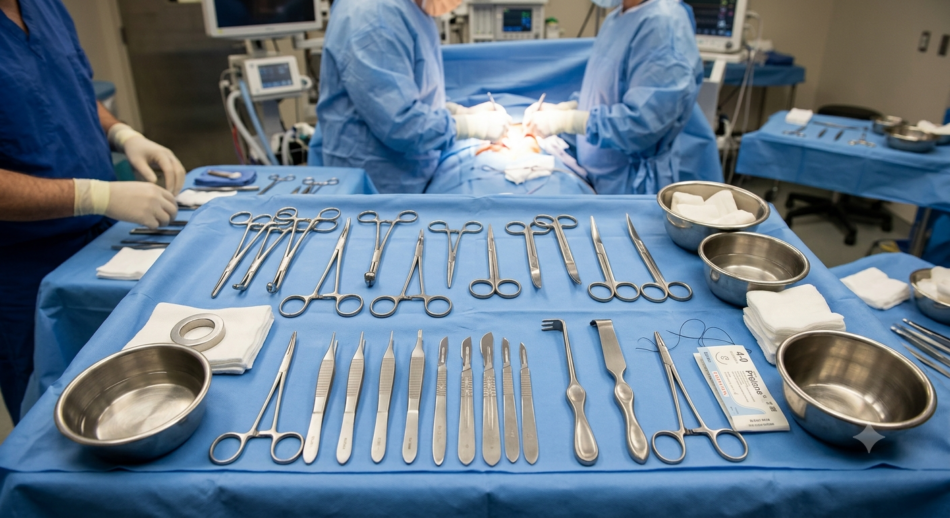
Surgical Instruments are among the most important tools used in modern healthcare. Every successful surgery depends on instruments that are accurate, durable, and easy to use. Whether the procedure is simple or highly complex, these tools help surgeons perform their work safely while protecting the patient. High-quality surgical instruments improve treatment results, reduce risks, and support faster recovery.
The growing demand for reliable instrument of medical equipment has encouraged manufacturers to develop better surgical tools using advanced materials and modern technology. At the same time, trusted surgical suppliers provide hospitals and clinics with certified instruments that meet international quality standards. Understanding the key features of surgical instruments helps healthcare providers choose the right tools for every procedure.
What Are Surgical Instruments?
Surgical Instruments are specially designed tools used by doctors and surgeons during medical procedures. They help perform important tasks such as cutting tissue, holding organs, controlling bleeding, separating tissues, and closing wounds.
Each instrument is created for a specific medical purpose. The design, size, and material of every tool are carefully selected to improve safety, accuracy, and ease of use during surgery.
These instruments are used daily in hospitals, clinics, and specialized healthcare centers around the world.
High-Quality Material
One of the most important features of Surgical Instruments is the quality of the material used during manufacturing. Most instruments are made from surgical-grade stainless steel because it is strong, durable, and resistant to rust.
Some specialized instruments are produced using titanium, which is lightweight and highly resistant to corrosion. These materials allow instruments to remain effective after repeated cleaning and sterilization.
High-quality materials also help maintain sharp edges and strong gripping surfaces throughout the instrument’s working life.
Excellent Durability
Durability is an essential feature of Surgical Instruments. Hospitals use these tools repeatedly, making long-lasting performance very important.
Strong construction allows instruments to withstand continuous use without bending, breaking, or losing their shape. Durable instruments reduce replacement costs and provide dependable performance during every medical procedure.
Healthcare facilities prefer instruments that maintain their quality even after years of regular use.
Corrosion Resistance
Medical instruments are cleaned and sterilized many times throughout their lifetime. Because of this, corrosion resistance is a valuable feature.
Stainless steel and titanium materials prevent rust and surface damage caused by moisture, chemicals, and sterilization processes. Corrosion-resistant instruments maintain their appearance, strength, and performance over time.
This feature also improves patient safety by ensuring that instruments remain clean and reliable.
High Precision
Precision is one of the main reasons why Surgical Instruments are so valuable. Every surgical procedure requires careful and accurate movements.
Sharp cutting tools create clean incisions, while forceps allow delicate tissue handling without unnecessary damage. Needle holders help surgeons place stitches accurately, improving wound healing after surgery.
High precision reduces surgical errors and supports better treatment outcomes for patients.
Comfortable Design
Modern Surgical Instruments are designed to provide comfort for surgeons during long procedures. Ergonomic handles improve grip and reduce hand fatigue, allowing doctors to maintain steady control throughout surgery.
Balanced instruments also make delicate movements easier to perform. Comfortable designs improve efficiency while reducing stress on healthcare professionals during complex operations.
Good instrument design supports both surgeon performance and patient safety.
Easy Sterilization
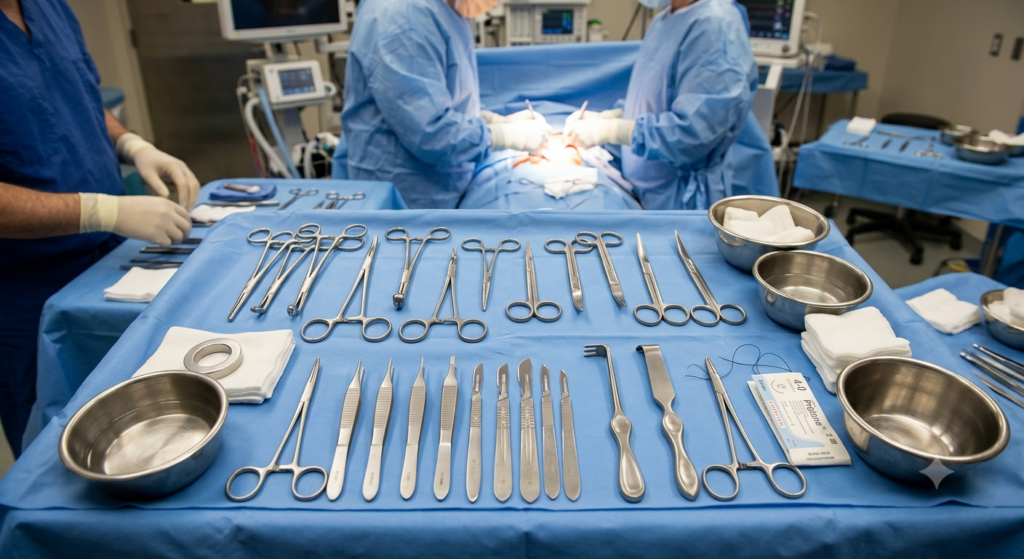
Another important feature of Surgical Instruments is the ability to be sterilized easily. Hospitals follow strict sterilization procedures to remove bacteria, viruses, and other harmful microorganisms before every operation.
Smooth surfaces and high-quality materials make cleaning easier while reducing the risk of contamination. Instruments designed for repeated sterilization remain safe without losing their strength or performance.
Proper sterilization protects patients from infections and supports successful medical treatment.
Strong Grip and Control
Many Surgical Instruments include specially designed handles and gripping surfaces that improve control during medical procedures.
Forceps, clamps, and needle holders provide secure handling while reducing the chance of slipping. Better control allows surgeons to perform delicate procedures with greater confidence and accuracy.
This feature becomes especially important during complex surgeries involving small blood vessels, nerves, or delicate tissues.
Sharp Cutting Performance
Cutting instruments must remain sharp to perform accurate surgical procedures. High-quality Surgical Instruments are manufactured with precise cutting edges that stay sharp even after repeated use.
Sharp scalpels and surgical scissors create clean cuts that reduce tissue damage and improve healing. Smooth cutting also shortens operation time because surgeons do not need to apply unnecessary force.
Reliable cutting performance contributes to better patient care.
Variety of Sizes and Designs
Another useful feature of Surgical Instruments is the wide variety of available sizes and designs. Different medical specialties require different tools based on the type of procedure being performed.
Large orthopedic instruments are designed for bone surgery, while smaller microsurgical instruments are used for eye surgery and neurosurgery. Specialized instruments allow surgeons to perform procedures more effectively in every medical field.
This variety ensures that every healthcare professional has the right tool for the job.
The Importance of Instrument of Medical Equipment
Reliable instrument of medical equipment is essential for delivering quality healthcare services. Surgical instruments form a major part of this equipment because they directly support patient treatment and surgical success.
Doctors use these tools in operating rooms, emergency departments, dental clinics, orthopedic centers, and outpatient facilities. Accurate medical equipment improves diagnosis, treatment quality, and patient recovery.
Healthcare organizations continue investing in advanced medical instruments to improve overall healthcare standards.
The Role of Surgical Suppliers
Reliable surgical suppliers play an important role in providing hospitals and clinics with certified medical equipment. They ensure that healthcare organizations receive high-quality surgical instruments that meet international safety standards.
Trusted suppliers also offer product support, technical guidance, and consistent availability of medical equipment. Their experience helps healthcare providers select the right instruments for different specialties.
Strong partnerships with reliable suppliers improve hospital efficiency and support better patient care.
Technology Has Improved Surgical Instruments
Technology has greatly enhanced the features of Surgical Instruments over the years. Manufacturers now use advanced production methods to create stronger, lighter, and more accurate tools.
Many modern instruments support minimally invasive surgery, allowing doctors to perform procedures through smaller incisions. These advanced tools reduce pain, lower infection risks, and shorten recovery time.
Robotic-assisted surgery and digital imaging systems continue improving the performance of surgical instruments in modern healthcare.
Future of Surgical Instruments
The future of Surgical Instruments will bring even greater improvements in quality and performance. Artificial intelligence, robotics, and smart surgical technology will continue supporting safer and more accurate procedures.
Manufacturers are also developing environmentally friendly materials and more efficient sterilization methods. These innovations will improve healthcare while reducing operating costs for hospitals.
As medical science continues to advance, surgical instruments will remain an essential part of successful patient treatment.
Conclusion
The features of Surgical Instruments make them one of the most valuable tools in modern healthcare. High-quality materials, durability, corrosion resistance, precision, comfortable design, easy sterilization, strong grip, sharp cutting performance, and specialized designs all contribute to safer and more effective medical procedures.
Reliable instrument of medical equipment and experienced surgical suppliers ensure that healthcare professionals receive the best tools for patient care. By combining advanced manufacturing with continuous innovation, modern surgical instruments continue to improve treatment quality, increase patient safety, and support better healthcare outcomes around the world.
More info: AMG Medical


