 WhatsApp Us Now
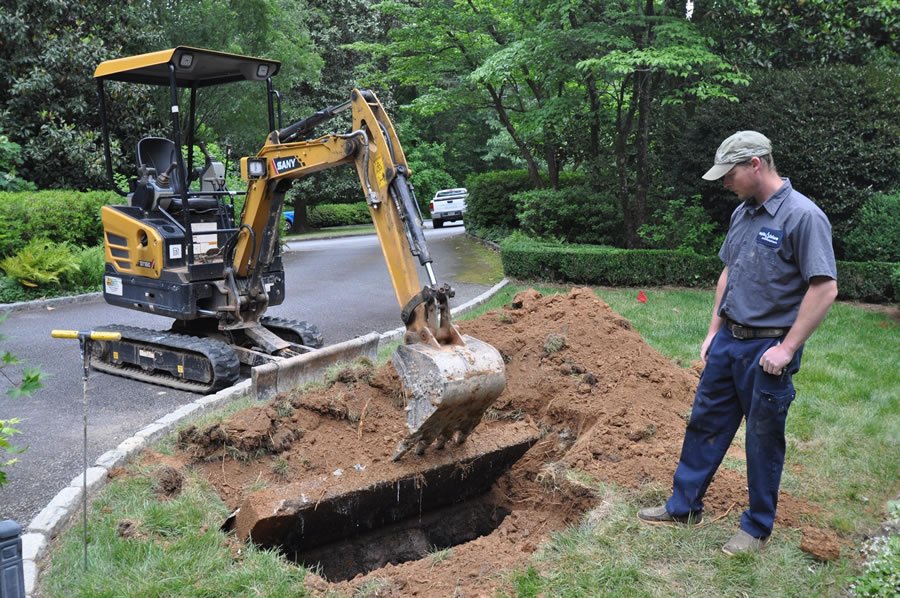
The signs of wastewater troubles do not usually show until the trouble has already struck. The accumulation of solids in an unmaintained septic system can lead to an overflow of the tank, blockage of the drains into the house and even make the backyard smell of sewage. For homeowners, these are some of the risks that can translate into expensive repairs, damage to the yard and potential health risks due to contact with untreated sewage.
Regular septic pumping is one of the most effective ways to keep a septic system working the way it’s supposed to. By removing built-up solids before they cause problems, pumping helps reduce the chances of backups, overflows, and drainfield damage. Homeowners who want a closer look at what this process involves can learn more from professional septic tank pumping service in Altadena that handle routine maintenance and inspections.
What Is Septic Pumping, and Why Does It Matter?
Septic tank pumping is the procedure of pumping out of a septic tank the accumulated solids, sludge, and scum. The water used in household activities such as showering, using the toilet and washing dishes goes into the septic tank. In this case, the solids remain at the bottom of the tank, while the scum floats to the top.
When pumping is not done, the amount of space that remains available in the tank for proper treatment of the wastewater reduces significantly. It is important to understand that the septic tank can treat a certain amount of wastewater. When the limit is reached, the entire septic system becomes ineffective.
However, there are problems of the septic systems that cannot be solved by pumping.
How Does Septic Pumping Help Prevent Tank Overflow?
The septic tank has a definite volume. The solids which are not removed continue to build up, filling the space that should be reserved for the flow of sewage from the house. At some point, the septic tank may become so full that it cannot accommodate all the new sewage that is entering it.
When this happens, the sewage will have nowhere to go except upwards into the pipes or through the soil surrounding the septic tank. This can cause sewage puddles to appear around the tank, and sometimes even cause wastewater to emerge near the lid of the tank.
Pumping the septic tank in advance allows it to have sufficient capacity to perform its functions normally. This is why it is so crucial in the maintenance of the septic system.
Can Septic Pumping Reduce the Risk of Sewage Backups?
Yes, in many instances. A full or almost full septic tank has a reduced capacity for accommodating additional wastewater. As a result, if the water entering the septic system has no place to go, then it may begin backing up through the household drains, even making its way into bathtubs, showers, and toilets.
Septic backups are considered one of the least pleasant and unsanitary problems that homeowners may experience. In most cases, such a problem manifests itself in the lowest drains in a home because the wastewater will always take the easiest route possible.
Maintaining a regular pumping schedule ensures adequate buffer capacity of the system in order to prevent the backup of wastewater into the home.
How Does Pumping Help Protect the Drainfield?
It is where the treated sewage is put back into the soil to be filtered. It is also one of the most costly items in the septic tank that is to be replaced.
If the septic tank is not pumped out periodically, then the solids will end up in the drainfield pipes. Once the solids get into the drainfield, they will clog the pipes and soil which will reduce the efficiency of the drainfield to take in the treated sewage. Such damage might not always be reversible.
Pumping helps keep the solids in the tank where they belong instead of them moving deeper into the septic system.
Does Septic Pumping Help Reduce Wastewater Exposure and Odors?
A properly working septic system should not give off the smell of sewage inside the home or in the yard. Once the tank is overloaded, it will release gases and the sewage, which could cause the smell around the tank or drainfield, and even in the house.
In addition to odor, the overflowed tank may cause wastewater to appear in the yard, resulting in the possibility of exposure of the people, including kids, and the animals in the house to the sewage.
By pumping the tank when it is not yet overloaded, the possibilities of exposure will be decreased.
What Are the Warning Signs a Septic Tank Needs Pumping?
There are several indications that precede the complete failure of a septic system. If homeowners encounter any of the following, they should get their tank checked out:
- Slow draining of sinks, bathtubs, and toilets
- Strange gurgling noises from drains
- Puddles or damp areas in the vicinity of the tank and drainfield
- Unpleasant smells emanating from the tank and drainfield
- Sewage overflowing from a drain or toilet
These signs don’t always mean the tank is full, but they’re worth investigating. Catching an issue early, before it turns into a backup or overflow, is generally easier and less disruptive than dealing with a system failure after the fact. Homeowners weighing whether to schedule service can also review the factors that affect septic cleaning costs, since pumping needs and costs vary depending on tank size, household usage, and the condition of the system.
How Often Should a Septic Tank Be Pumped?
There is no one-size-fits-all pump schedule for any household. Some of the factors that determine the pumping frequency include:
Household Size
This factor determines the amount of wastewater going into the septic tank, leading to the formation of solids at a faster rate.
Tank Capacity
A smaller tank will get filled up fast compared to a bigger one; hence the need for more frequent pumping.
Water Usage Habits
The house using more water in a day will result in filling the tank faster than a household that uses less water.
Garbage Disposal Use
Houses that dispose of solid wastes through the drain pipes to the septic tank will require frequent pumping.
This is what a professional can determine after conducting an assessment.
What Happens When Septic Pumping Is Delayed?
The dangers of postponing septic pumping aren’t limited to just one problem. They can trigger a whole range of issues, such as allowing solids to make their way into the drainfield, tank flooding, sewage back-ups into the house, and foul smells coming from the property.
In extreme scenarios, ignoring this problem for too long will reduce the system’s life expectancy. The drainfield is especially costly to fix and in certain situations it may require replacement of the whole field.
Procrastination makes a relatively easy process into an involved one.
How Can Homeowners Reduce the Risk of Wastewater Problems?
In addition to scheduling regular pump-outs, there are a few additional measures a homeowner can undertake to benefit their septic system:
- Don’t flush wet wipes, paper towels, and similar things
- Reduce using harsh chemicals that may affect bacteria living inside the tank
- Distribute heavy water usage, like laundry, to avoid putting pressure on the system all at once
- Don’t park heavy vehicles or machinery above the drain field
- Schedule regular inspections even when you don’t see any signs of malfunctioning.
None of these steps replace the need for pumping, but they work alongside it to support a healthier system overall.
Final Thoughts
Problems with wastewater can be frustrating for homeowners as a result of odor issues, backed-up sewers, and other issues including drain field damage. A process such as septic tank pumping addresses one of the primary issues related to this problem by making sure that too much solid matter does not accumulate within the system.
In conjunction with conservation of water usage and periodic inspection, septic tank pumping can help ensure that a septic system operates effectively. Rooter Man Septic Tank Pumping is just one of the organizations that can provide advice for homeowners concerning periodic septic tank pumping services.


