 WhatsApp Us Now
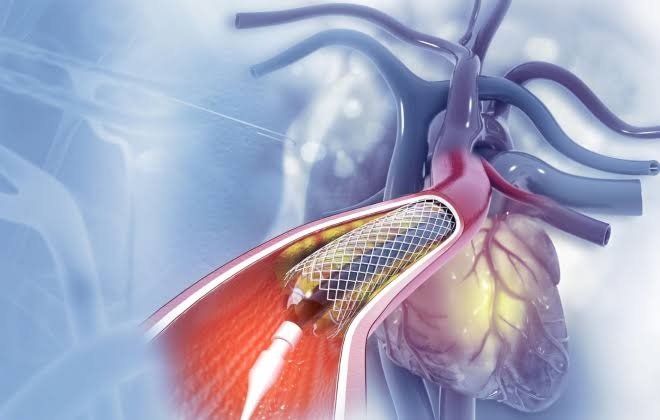
Advancements in interventional cardiology have made it possible to treat increasingly complex coronary artery disease through minimally invasive procedures. However, the success of these interventions depends not only on stents, balloons, or imaging technologies but also on one of the most fundamental devices used during every procedure – the guidewire.
Although often hidden behind more visible innovations, the guidewire is the foundation of successful percutaneous coronary intervention (PCI). It is the first device to cross a lesion and establishes the pathway for every catheter, balloon, and stent that follows. As coronary lesions become more complex, continuous innovation in guidewire technology is helping physicians navigate challenging anatomy with greater precision, improving procedural success rates and patient outcomes.
Why Guidewires Matter in Coronary Intervention
A guidewire serves as the primary navigation tool during PCI. It enables clinicians to safely traverse narrowed or blocked coronary arteries before therapeutic devices are advanced to the treatment site.
Modern coronary interventions rely heavily on the performance of the medical guidewire, particularly when treating:
- Calcified lesions
- Chronic total occlusions (CTOs)
- Tortuous vessels
- Long diffuse disease
- Bifurcation lesions
- Small or highly angulated arteries
Without a stable and well-controlled guidewire position, advancing balloons, catheters, or stents can become significantly more challenging.
Key Innovations in Guidewire Design
Guidewire technology has evolved considerably to address the growing complexity of coronary interventions. Modern designs incorporate advanced materials and engineering features that enhance procedural control while maintaining safety.
Improved Torque Response
One of the most important innovations is enhanced torque transmission. Modern guidewires allow physicians to transfer rotational movements more accurately from the proximal end to the distal tip, improving steering through complex vessel anatomy.
This level of precision is particularly valuable when navigating sharp bends or branching vessels.
Enhanced Flexibility and Support
Contemporary guidewires are engineered to balance flexibility with adequate support. Flexible distal tips help reduce vessel trauma during navigation, while supportive proximal shafts provide the stability needed for advancing balloons, imaging catheters, and stents across difficult lesions.
Achieving this balance is essential for successful PCI.
Hydrophilic and Specialized Coatings
Many guidewires now feature advanced surface coatings that reduce friction as they move through blood vessels. These coatings improve trackability and facilitate smoother lesion crossing, especially in long or tortuous coronary arteries.
The result is greater procedural efficiency and reduced resistance during device delivery.
Improving Outcomes in Complex Coronary Anatomy
Complex coronary lesions often require greater procedural precision than routine interventions.
Innovative guidewire technologies contribute to improved outcomes by:
- Increasing lesion crossing success
- Enhancing navigation through tortuous vessels
- Supporting device delivery
- Reducing procedural time
- Improving physician control
- Minimizing vessel trauma
These benefits are particularly important in challenging cases where multiple devices may be required during the intervention.
Guidewires Within the Interventional Ecosystem
Guidewires do not function in isolation. They serve as the foundation for the successful delivery of numerous interventional devices, including balloons, imaging catheters, atherectomy systems, and drug-eluting stents.
The performance of a medical guidewire directly influences the efficiency of the entire procedure. Even highly advanced therapeutic devices depend on reliable guidewire support to reach the target lesion safely and effectively.
Beyond cardiology, guidewire technologies continue to evolve across several medical specialties. The surgical guidewire, for example, is widely used in vascular surgery, radiology, urology, and other minimally invasive procedures where precise navigation is essential.
Translumina’s Contribution to Interventional Innovation
As cardiovascular procedures continue to become more sophisticated, companies such as Translumina contribute to the advancement of interventional cardiology through a comprehensive portfolio of innovative cardiovascular devices. While guidewires remain a fundamental component of procedural success, they work alongside complementary technologies including balloon catheters, drug-eluting stents, drug-coated balloons, and diagnostic devices.
By focusing on innovation and procedural reliability, Translumina supports clinicians in managing increasingly complex coronary anatomies with solutions designed to enhance precision, deliverability, and treatment outcomes. This integrated approach reflects the broader evolution of minimally invasive cardiovascular care.
Future Outlook
As lesion complexity continues to increase, guidewire technology will remain central to the future of coronary intervention. Ongoing advancements in materials science, tip engineering, torque control, and coating technologies are expected to further improve navigation, procedural efficiency, and patient safety.
Artificial intelligence-assisted imaging, robotic PCI, and increasingly specialized guidewire platforms may also shape the next generation of interventional procedures.
Conclusion
Guidewires may appear to be simple devices, but they are among the most critical components of successful coronary intervention. Continuous innovation in medical guidewire technology has significantly improved the ability of physicians to navigate complex coronary anatomy, support device delivery, and achieve better procedural outcomes.
At the same time, advancements in the broader surgical guidewire field continue to expand the possibilities of minimally invasive medicine across multiple specialties. Supported by ongoing innovation from companies like Translumina, guidewire technology will continue to play a vital role in advancing precision, safety, and success in modern cardiovascular interventions.


