 WhatsApp Us Now
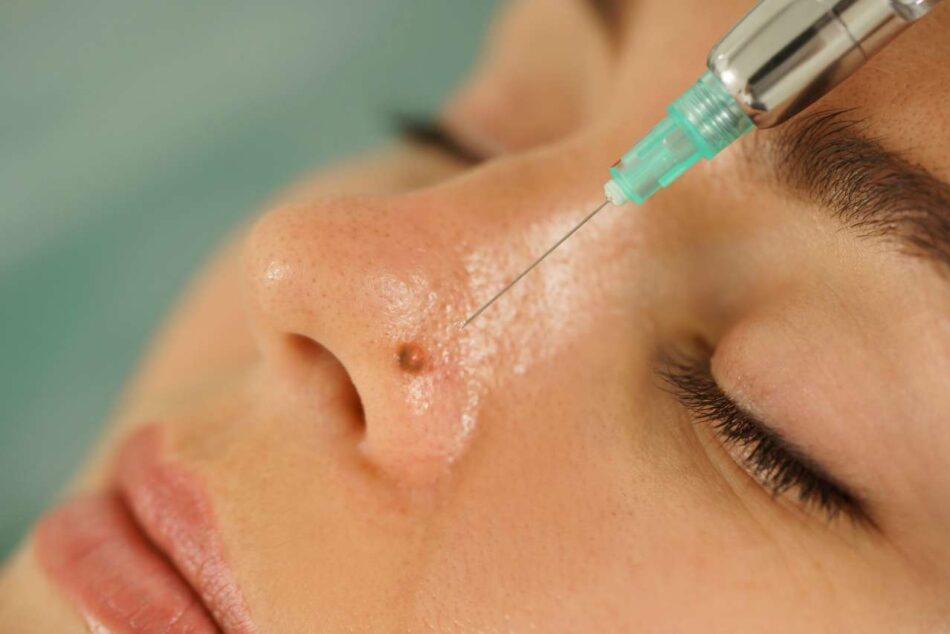
Is wart treatment truly safe, or does it carry hidden risks that most people overlook? Many individuals struggle with skin growths and immediately seek removal options without fully understanding the safety aspects, healing process, and long-term outcomes. In modern dermatological awareness, people are increasingly concerned about effectiveness, scarring, and infection risks, especially when considering Warts Removal In Islamabad as a solution for clear and healthy skin. Understanding the safety profile, techniques involved, and aftercare plays a major role in ensuring positive results without complications.
Understanding Warts and Why Removal Becomes Necessary
Warts are small, rough skin growths caused by viral infections that can spread through direct or indirect contact. While they are generally harmless, they can become uncomfortable, contagious, or cosmetically concerning depending on their location. Hands, face, and feet are the most common areas affected, and these visible spots often lead individuals to seek removal options.
The decision to remove warts is not only cosmetic but also preventive. Leaving them untreated can sometimes lead to spreading across other areas of the body or to other individuals. This is why awareness about safe removal methods is essential before choosing any procedure.
Safety Factors That Influence Wart Removal
Safety in wart removal depends on multiple factors, including the method used, skin type, and hygiene standards. Modern approaches are designed to target the wart tissue precisely without damaging surrounding skin. When performed correctly, the risk of scarring or infection remains low.
However, improper handling or self-treatment attempts can increase complications. Using unverified home remedies or sharp objects can lead to skin damage, irritation, or secondary infections. That is why understanding proper care and professional guidance is crucial for safe outcomes.
Another important safety factor is skin sensitivity. Individuals with sensitive or reactive skin may experience temporary redness or mild irritation after removal, but these effects typically subside with proper aftercare.
Common Methods Used for Wart Removal
Different techniques are used depending on the size, type, and location of the wart. Some methods focus on breaking down the wart tissue gradually, while others remove it instantly. Each approach has its own safety profile and healing timeline.
Cryotherapy is one widely used method that involves freezing the wart so it naturally falls off over time. Topical treatments may also be used to soften and dissolve the affected tissue gradually. In some cases, advanced techniques target the root of the wart to reduce chances of recurrence.
Each method is selected based on individual needs, ensuring minimal discomfort and controlled healing.
Expert Insights on Safety and Effectiveness
Experts emphasize that wart removal is generally safe when done with proper evaluation and care. The key lies in identifying the type of wart and selecting the most suitable method. Skin assessment ensures that the surrounding tissue remains unaffected and healing occurs smoothly.
Another important insight is patience during recovery. Skin regeneration takes time, and rushing the process may lead to irritation or incomplete healing. Following aftercare instructions significantly improves results and reduces the chance of recurrence.
Experts also highlight that immune response plays a role in how quickly the skin recovers. A healthy lifestyle, hydration, and good hygiene can support faster healing.
Myths and Misconceptions About Wart Removal
One common misconception is that wart removal is painful or dangerous. In reality, modern techniques are designed to minimize discomfort and ensure controlled treatment. Temporary sensations may occur, but they are usually mild and short-lived.
Another myth is that warts always return after removal. While recurrence is possible in some cases due to viral presence in the body, proper care and treatment selection significantly reduce this risk.
Some people also believe that warts can be removed instantly without healing time. However, skin regeneration is a natural process that requires patience for the best outcome.
Aftercare and Healing Process
After removal, proper aftercare is essential to ensure smooth healing. Keeping the area clean and avoiding unnecessary friction helps prevent irritation. It is also important to allow the skin to heal naturally without picking or scratching.
Mild redness or scabbing may occur, which is a normal part of the healing process. Over time, the skin restores itself, leaving a clearer surface. Maintaining hygiene and avoiding exposure to irritants supports better results.
Who Should Be Extra Cautious
Individuals with sensitive skin, low immunity, or a history of recurring skin infections should take extra precautions. Consulting reliable guidance before choosing any removal method helps avoid complications. Children and elderly individuals may also require gentler approaches due to delicate skin conditions.
Awareness and proper evaluation ensure that the procedure remains safe and effective for all age groups.
Conclusion
Wart removal has become increasingly safe due to modern techniques and improved skin care understanding. With the right method, proper hygiene, and careful aftercare, individuals can achieve smooth and healthy skin without long-term issues. The key lies in informed decision-making and avoiding unsafe self-treatment practices. When considering Warts Removal In Islamabad, prioritizing safety, patience, and proper care ensures the best possible outcome for clear and confident skin.
FAQs
Is wart removal safe for all skin types?
Yes, most methods are safe for different skin types when performed with proper care and suitable technique selection.
Does wart removal leave scars?
Scarring is rare when aftercare instructions are followed correctly, though minor marks may temporarily appear during healing.
How long does healing take after wart removal?
Healing time varies depending on the method used, but most skin areas recover within a few days to a couple of weeks.
Can warts come back after removal?
Recurrence is possible due to the viral nature of warts, but proper treatment significantly reduces this risk.
Is wart removal painful?
Most modern methods cause minimal discomfort, and any sensation experienced is usually mild and temporary.


