 WhatsApp Us Now
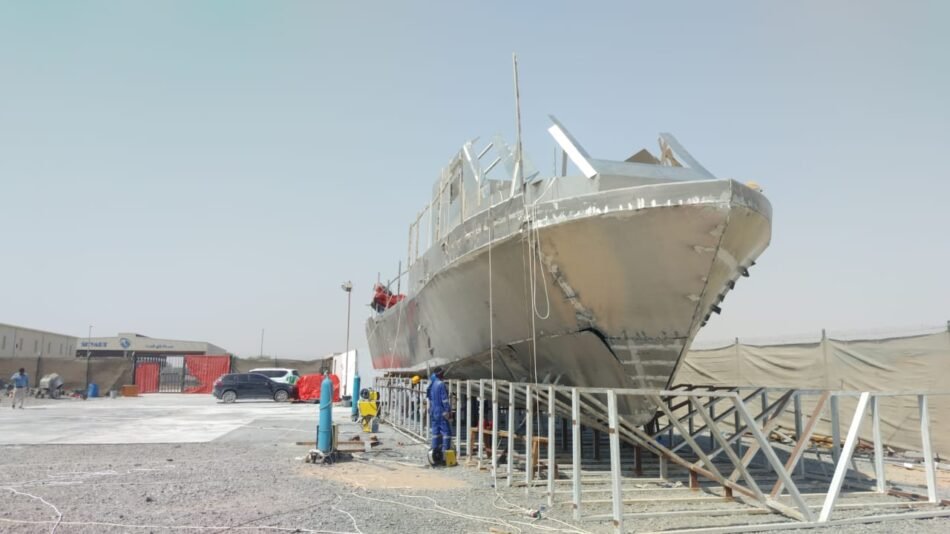
Aluminium boat building has emerged as a powerful solution in the modern marine industry, offering unmatched durability, efficiency, and sustainability. As global demand for high-performance vessels increases, marine experts are shifting towards aluminium as a preferred material over traditional options like wood and fiberglass. This shift is not just about innovation but also about long-term cost savings and environmental responsibility.
Today, industry leaders like VU Marine are adopting advanced aluminium technologies to build stronger and more efficient boats. This growing adoption highlights the importance of aluminium in shaping the future of marine construction.
Why Aluminium is Becoming the First Choice
The popularity of aluminium in marine construction is driven by its unique properties. Many aluminium boat builders prefer this material because it provides a perfect balance between strength and weight.
Lightweight and Fuel Efficient
Aluminium is significantly lighter than steel, which improves fuel efficiency and speed. Studies show that aluminium boats can reduce fuel consumption by up to 20–30%, making them more economical for long-term use.
Strong and Durable
Despite being lightweight, aluminium is incredibly strong. It can withstand harsh marine conditions, including strong waves and impacts. Unlike fiberglass, it does not crack easily, making it ideal for both commercial and recreational use.
Corrosion Resistance
Aluminium naturally forms a protective oxide layer, which prevents rust and corrosion. This makes it suitable for saltwater environments where other materials often fail over time.
Low Maintenance
Maintenance is one of the biggest advantages. Aluminium boats require less frequent repairs and upkeep, reducing overall costs by up to 40% compared to traditional materials.
Understanding the Aluminium Boat Building Process
The process of constructing an aluminium boat is precise and involves multiple stages to ensure quality and performance.
Design and Planning
Engineers use advanced CAD software to design the boat structure. Factors such as weight distribution, stability, and hydrodynamics are carefully planned.
Material Selection
High-quality marine-grade aluminium alloys like 5083 and 6061 are selected. These alloys provide excellent strength and resistance to corrosion.
Cutting and Fabrication
Modern CNC and laser cutting technologies are used to shape aluminium plates with high precision. This reduces material waste and ensures accuracy.
Welding and Assembly
Welding plays a crucial role in the construction process. Techniques such as MIG welding are used to join different parts. Skilled professionals ensure strong and reliable joints.
Finishing and Testing
After assembly, the boat undergoes surface treatments and testing. Water trials and safety inspections ensure the vessel performs efficiently under real conditions.
Role of Aluminium Boats Manufacturers in Industry Growth
The marine sector is witnessing rapid expansion, and aluminium boats manufacturers are playing a key role in this growth. Their focus on innovation and quality is helping meet the rising demand for efficient and eco-friendly vessels.
According to industry reports:
- The global aluminium boat market is expected to grow at a CAGR of 4.5% to 6% by 2030
- Commercial vessels account for nearly 60% of total aluminium boat usage
- Recreational boating demand is increasing due to tourism and leisure activities
Manufacturers are also investing in advanced technologies to improve production speed and product quality.
Future Trends in Aluminium Boat Building
The future of aluminium boat construction is driven by innovation and sustainability.
Smart and Connected Boats
Modern boats are now equipped with IoT-based systems that monitor performance, fuel consumption, and maintenance needs in real time.
Electric and Hybrid Vessels
With increasing environmental concerns, aluminium is becoming the preferred material for electric and hybrid boats due to its lightweight nature.
Advanced Welding Techniques
Technologies like robotic welding and friction stir welding are improving construction quality and reducing production time.
Customization and Design Flexibility
Aluminium allows greater design flexibility, enabling manufacturers to create customized boats based on specific customer requirements.
Importance of Choosing the Right Boat Building Company
Selecting the right boat building company is crucial for ensuring quality and long-term performance. A reliable company focuses on design precision, material quality, and advanced construction techniques.
Companies like VU Marine emphasize innovation and quality, ensuring that aluminium boats meet modern industry standards. Their approach reflects the growing importance of expertise and technology in marine construction.
Environmental Benefits of Aluminium Boats
Sustainability is becoming a major focus in the marine industry, and aluminium offers significant environmental advantages.
- Aluminium is 100% recyclable
- Around 75% of all aluminium ever produced is still in use
- Lightweight boats reduce fuel consumption and carbon emissions
These factors make aluminium boats an eco-friendly choice for the future.
Challenges in Aluminium Boat Building
Despite its advantages, there are some challenges:
- Higher initial investment compared to fiberglass
- Requirement of skilled labor for welding and fabrication
- Heat conductivity issues in extreme climates
However, these challenges are manageable and are outweighed by long-term benefits.
Conclusion
Aluminium boat construction is revolutionizing the marine industry by offering a perfect combination of strength, efficiency, and sustainability. From commercial vessels to recreational boats, aluminium is becoming the preferred choice for modern marine applications.
With continuous advancements in technology and increasing environmental awareness, aluminium boats are set to dominate the future of marine construction. Companies like VU Marine are already leading this transformation by adopting innovative practices and high-quality standards.
As the industry evolves, aluminium boat building will continue to play a key role in shaping a more efficient and sustainable marine future.


