 WhatsApp Us Now
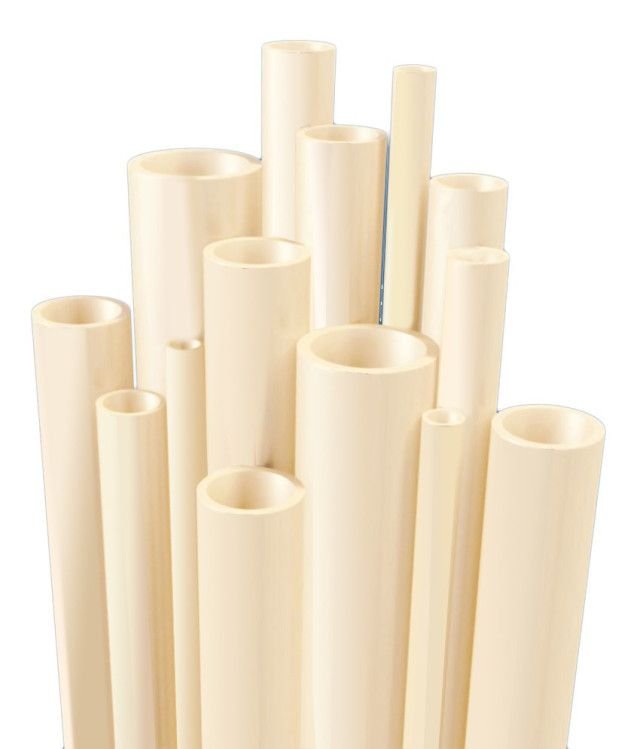
If you’ve spent any time around construction sites, plumbing systems, or industrial piping discussions, chances are you’ve heard the term CPVC. It often comes up quietly—rarely flashy, rarely debated—but almost always trusted. And that’s exactly what makes it interesting.
Behind walls, beneath floors, and across facilities, CPVC has steadily earned its place as a reliable material in modern infrastructure. Yet many people—homeowners, even some professionals—don’t fully understand what sets it apart.
This guide isn’t here to sell you anything. Instead, it’s meant to unpack CPVC in a way that feels practical, grounded, and genuinely useful. Whether you’re planning a project or just curious, you’ll walk away with clarity.
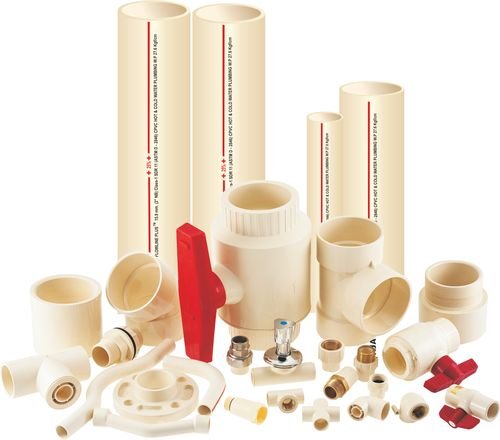
What Is CPVC?
CPVC stands for Chlorinated Polyvinyl Chloride. It’s a thermoplastic produced by chlorinating standard PVC resin, which enhances its temperature resistance and durability.
That extra chlorine content may sound like a small tweak, but it significantly changes the material’s behavior. While regular PVC works well for cold water systems, CPVC steps in when heat, pressure, and chemical exposure become part of the equation.
Think of it as PVC’s more resilient sibling—built to handle tougher conditions without dramatically increasing cost or complexity.
Why CPVC Became So Widely Used
Materials don’t become industry standards by accident. CPVC gained traction because it quietly solved several persistent problems.
1. High Temperature Resistance
One of CPVC’s defining features is its ability to handle hot water systems. Unlike traditional PVC, which softens at higher temperatures, CPVC maintains its structural integrity even under prolonged heat exposure.
In residential plumbing, that means it can safely carry hot water without warping or degrading.
2. Corrosion-Free Performance
Metal pipes have a long history—and a long list of problems. Rust, scaling, and corrosion often reduce efficiency and contaminate water.
CPVC eliminates that issue entirely. It doesn’t rust, corrode, or react with most chemicals found in water systems. Over time, this translates to cleaner water and fewer maintenance headaches.
3. Longevity Without Constant Maintenance
Once installed properly, CPVC systems can last decades. There’s no need for regular anti-corrosion treatments or expensive upkeep routines.
It’s not that CPVC is indestructible—nothing is—but it’s predictably reliable. And in construction, predictability is often more valuable than innovation.
Common Applications of CPVC
CPVC isn’t limited to one niche. Its versatility allows it to fit into multiple industries seamlessly.
Residential Plumbing
This is where most people encounter CPVC, even if they don’t realize it.
- Hot and cold water supply lines
- Drinking water systems
- Bathroom and kitchen piping
Because it doesn’t leach harmful substances and resists scaling, it’s considered safe for potable water systems.
Commercial Buildings
Hotels, hospitals, and office complexes rely on CPVC for its durability and consistency.
Large buildings often face fluctuating pressure and temperature demands. CPVC handles these variations without significant wear.
Industrial Applications
In industrial environments, piping materials are constantly tested by chemicals, pressure, and temperature extremes.
CPVC performs well in:
- Chemical processing plants
- Manufacturing units
- Water treatment facilities
Its chemical resistance gives it an edge over metals in certain environments.
Fire Sprinkler Systems
One of the more critical uses of CPVC is in fire suppression systems.
It’s lightweight, easy to install, and capable of handling the demands of emergency water delivery. This combination makes it a preferred choice in many commercial fire protection setups.
CPVC vs Other Piping Materials
Choosing the right material often comes down to context. Let’s look at how CPVC compares to some common alternatives.
CPVC vs PVC
At a glance, they look similar. But functionally, they serve different purposes.
- PVC: Best for cold water and drainage
- CPVC: Suitable for both hot and cold water
The added temperature resistance gives CPVC a broader application range.
CPVC vs Copper
Copper has long been considered a premium option. But it comes with drawbacks.
- Higher cost
- Susceptibility to corrosion over time
- Complex installation
CPVC, on the other hand, is:
- More affordable
- Easier to install
- Resistant to corrosion
However, copper still holds an edge in certain high-pressure or specialized systems.
CPVC vs PEX
PEX is flexible and easy to work with, especially in tight spaces. But flexibility isn’t always an advantage.
- CPVC offers rigidity and structural stability
- PEX is more prone to damage from UV exposure
Each material has its place, but CPVC remains a strong contender where durability and consistency matter most.
Installation: Simplicity Meets Efficiency
One of the reasons contractors appreciate CPVC is how straightforward it is to install.
Solvent Cement Joining
Unlike metal pipes that require welding or threading, CPVC uses solvent cement to create strong, leak-proof joints.
The process is quick:
- Cut the pipe
- Apply primer (if required)
- Apply solvent cement
- Join and hold briefly
Within minutes, the connection is secure.
Lightweight Advantage
Transporting and handling CPVC is easier compared to metal alternatives. This reduces labor fatigue and speeds up installation.
In large projects, even small efficiency gains add up.
Real-World Performance: What Actually Matters
Specifications and lab tests are one thing. Real-world performance is another.
Over time, CPVC has demonstrated:
- Minimal scaling in water systems
- Consistent flow rates
- Reduced noise compared to metal piping
- Resistance to microbial growth
These may seem like small benefits individually, but together they create a noticeably better system.
Environmental Considerations
Sustainability is increasingly part of material selection.
CPVC isn’t perfect—but it does offer some environmental advantages:
- Long lifespan reduces replacement frequency
- Lower energy consumption during production compared to metals
- Recyclable under certain conditions
Additionally, leak-resistant systems help conserve water, which indirectly supports sustainability goals.
Limitations You Should Know
No material is without flaws, and understanding CPVC’s limitations helps in making better decisions.
Sensitivity to UV Light
Extended exposure to direct sunlight can degrade CPVC over time. For outdoor applications, proper insulation or protection is necessary.
Brittleness in Extreme Cold
In very low temperatures, CPVC can become more brittle. While this isn’t a concern in most climates, it’s worth noting for colder regions.
Not Ideal for Every Chemical
While resistant to many chemicals, CPVC isn’t universally compatible. Specific industrial applications may require alternative materials.
Practical Tips for Using CPVC
If you’re considering CPVC for a project, a few simple practices can make a big difference.
Choose the Right Grade
Not all CPVC pipes are the same. Ensure you’re selecting the correct type based on pressure and temperature requirements.
Avoid Over-Tightening
In fittings, excessive force can cause cracks. CPVC doesn’t need brute strength—it needs proper alignment.
Store Properly
Keep pipes away from prolonged sunlight exposure before installation.
Follow Manufacturer Guidelines
It sounds obvious, but many issues arise from skipping basic instructions.
The Future of CPVC
Materials evolve, but they don’t always get replaced. Sometimes, they simply improve.
CPVC continues to benefit from advancements in:
- Manufacturing processes
- Additive technologies
- Performance testing
As infrastructure demands grow—especially in urban environments—materials that offer reliability without complexity will remain in demand.
CPVC fits that description well.
Conclusion
CPVC isn’t the kind of material that grabs headlines. It doesn’t promise revolutionary change or dramatic innovation. Instead, it offers something far more valuable—consistency.
It performs as expected, lasts longer than many alternatives, and simplifies installation without compromising quality. In a world where systems are often judged by how quietly they function, CPVC stands out by doing its job without fuss.
Whether you’re planning a new build, upgrading an existing system, or simply exploring options, understanding CPVC gives you a solid foundation to make informed decisions.


