 WhatsApp Us Now
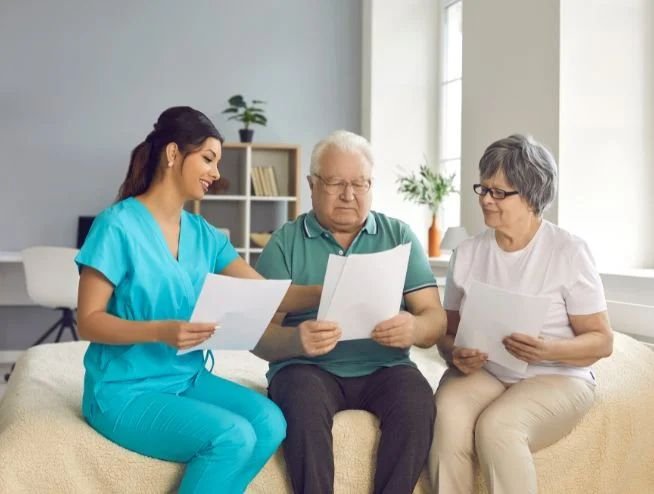
Doctor Consultation at Home | Easy & Safe Healthcare
Healthcare is evolving—and fast. Not too long ago, seeing a doctor meant long queues, rushed appointments, and navigating crowded clinics. Today, a quiet shift is happening. More people are turning to doctor consultation at home as a practical, comfortable alternative to traditional visits.
This isn’t just about convenience. It’s about rethinking how care should feel—more personal, less stressful, and aligned with real life. Whether it’s an elderly parent who struggles with mobility, a busy professional juggling deadlines, or someone recovering from illness, home consultations are filling a gap that the traditional system often overlooks.
Let’s explore why this model is gaining attention and how it’s reshaping healthcare for the better.
What Is Doctor Consultation at Home?
At its core, doctor consultation at home means exactly what it sounds like—a qualified medical professional visits your home to provide diagnosis, treatment, and guidance.
But it goes beyond just replacing a clinic visit. It introduces a more patient-centered approach, where the environment itself plays a role in healing. The doctor sees not just the symptoms, but also the context—lifestyle, surroundings, and daily habits.
This deeper understanding often leads to more accurate insights and better care decisions.
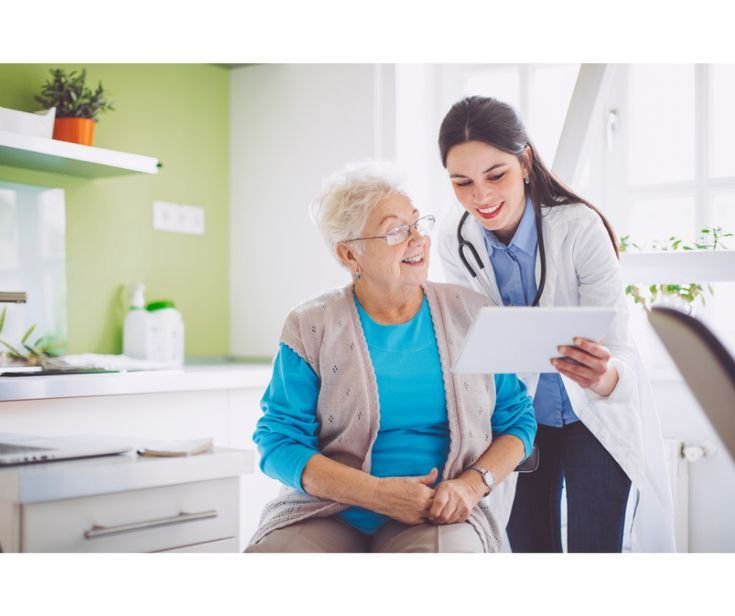
Why More People Are Choosing Home Consultations
1. Comfort Changes Everything
Let’s be honest—most people don’t enjoy hospital visits. The waiting rooms, the noise, the unfamiliar setting—it can all feel overwhelming, especially when you’re already unwell.
At home, everything is different. You’re in a space where you feel safe. You can relax. Conversations feel less rushed. And surprisingly, this comfort can actually improve communication with the doctor.
Patients often open up more when they’re not under pressure, which helps doctors make better assessments.
2. Time-Saving and Practical
Modern life is busy. Taking hours out of your day for a consultation—travel, waiting, paperwork—can feel like a burden.
With doctor consultation at home, that entire process becomes streamlined. No commuting. No waiting rooms. Just direct care when you need it.
For working professionals and families, this alone can make a significant difference.
3. Ideal for Elderly and Chronic Patients
For elderly individuals or patients with chronic conditions, frequent hospital visits can be exhausting.
Home consultations reduce that physical strain. Doctors can monitor conditions like diabetes, hypertension, or post-surgical recovery without forcing patients to travel repeatedly.
It’s not just easier—it’s more humane.
The Hidden Advantage: Personalized Care
One of the most underrated benefits of home consultations is personalization.
Seeing the Bigger Picture
In a clinic, doctors often rely solely on what patients say during a short appointment. At home, they can observe lifestyle factors—diet, living conditions, medication habits.
These small details can reveal patterns that might otherwise go unnoticed.
For example:
- A doctor might notice medication mismanagement.
- They may observe dietary habits contributing to a condition.
- They can assess mobility challenges within the home.
This level of insight leads to more tailored treatment plans.
Longer, Meaningful Interactions
Clinic appointments are often limited by time. At home, consultations tend to be less rushed.
Patients can ask questions freely. Doctors can explain things in detail. And that clarity builds trust—which is essential in healthcare.
Common Situations Where Home Consultations Make Sense
While not every medical situation can be handled at home, many can. Here are some common scenarios:
Mild to Moderate Illnesses
Fever, flu, infections, minor injuries—these are often manageable at home with proper diagnosis and treatment.
Post-Hospital Recovery
After surgery or hospitalization, follow-up care is crucial. Home visits ensure continuity without added stress.
Pediatric Care
Children are often more comfortable at home. A familiar environment can make examinations smoother and less intimidating.
Palliative and End-of-Life Care
For patients requiring comfort-focused care, home consultations provide dignity and emotional ease.
Technology’s Role in Expanding Home Healthcare
The rise of doctor consultation at home is closely tied to advancements in technology.
Digital Records and Telehealth Integration
Doctors can now access patient history instantly through digital systems. Combined with telehealth tools, they can even consult specialists remotely during a home visit.
This bridges the gap between home care and advanced medical expertise.
Portable Medical Equipment
Modern devices have become compact and efficient. Doctors can carry tools for:
- Basic diagnostics
- Vital monitoring
- Sample collection
This allows for accurate assessments without needing a hospital setup.
Addressing Common Concerns
Despite its advantages, some people hesitate to try home consultations. Let’s address a few common concerns.
“Is it as reliable as a clinic visit?”
In many cases, yes. For general consultations and follow-ups, home visits can be equally effective. However, for emergencies or complex procedures, hospital care is still essential.
“What about hygiene and safety?”
Reputable services follow strict hygiene protocols. Doctors carry sanitized equipment and maintain professional standards.
In fact, avoiding crowded hospitals can sometimes reduce exposure to infections.
“Is it expensive?”
Costs can vary depending on location and services. While slightly higher than a clinic visit, many people find the added convenience and personalized care worth it.
The Emotional Side of Home Healthcare
Healthcare isn’t just physical—it’s emotional too.
Being treated at home often reduces anxiety. Patients feel more in control. Family members can be present, offering support and understanding.
This emotional comfort can positively influence recovery. It’s subtle, but powerful.
Real-Life Example
Consider a middle-aged professional dealing with recurring migraines. Frequent clinic visits weren’t helping much.
During a home consultation, the doctor noticed something unusual—the patient’s workspace lighting and posture.
Simple adjustments were suggested:
- Improved lighting
- Ergonomic seating
- Regular breaks
Within weeks, the migraines reduced significantly.
This kind of insight often emerges only when doctors see patients in their real environment.
When Home Consultation May Not Be Enough
While the benefits are clear, it’s important to recognize limitations.
Home consultations may not be suitable for:
- Medical emergencies
- Advanced diagnostic procedures (like MRI or CT scans)
- Surgeries or critical care
In such cases, hospital infrastructure is essential.
The key is balance—using home consultations where they fit best.
The Future of Healthcare Is Hybrid
The real transformation lies in combining different models of care.
Imagine a system where:
- Initial consultations happen at home
- Advanced tests are done at specialized centers
- Follow-ups return to home-based care
This hybrid approach is already taking shape.
It’s efficient, patient-friendly, and adaptable.
Tips for Getting the Most Out of a Home Consultation
If you’re considering this option, a little preparation can enhance the experience.
Before the Visit
- Keep your medical records ready
- List down symptoms and questions
- Ensure a clean, quiet space for consultation
During the Consultation
- Be honest about symptoms and lifestyle
- Ask for clarification if needed
- Take notes if necessary
After the Visit
- Follow prescribed treatment carefully
- Schedule follow-ups if required
- Monitor any changes in your condition
A Shift in Perspective
Doctor consultation at home isn’t just a service—it reflects a shift in how we think about healthcare.
From:
- Reactive → Proactive
- Rushed → Thoughtful
- Generic → Personalized
It brings care closer to where it truly matters—your everyday life.
Conclusion
Healthcare doesn’t always need to happen in a hospital to be effective. Sometimes, the most meaningful care happens in the comfort of your own home.
Doctor consultation at home offers a blend of convenience, personalization, and emotional ease that traditional systems often struggle to provide. While it may not replace hospitals entirely, it complements them in a way that feels natural and practical.
As lifestyles evolve and expectations change, this approach is likely to become a trusted part of modern healthcare—quietly improving how we experience care, one home visit at a time.
How Portable Cabins Support Public Sector Infrastructure


