 WhatsApp Us Now
Introduction: Japan’s EV Revolution and Its Ripple Effect
Japan is stepping decisively into the electric era, signaling a monumental shift in the automotive landscape. With a national push towards sustainable mobility, traditional gasoline vehicles are gradually giving way to electric alternatives. This evolution will have far-reaching consequences, particularly in the Japanese used car market. The influx of electric and hybrid vehicles promises not only more choices for domestic buyers but also a surge of opportunities for global markets, including the growing appetite for affordable, reliable vehicles abroad.
The Shift from Gasoline to Electric: Understanding Japan’s Strategy
Japan’s government has laid out a meticulous blueprint to reduce carbon emissions. Incentives for EV adoption, coupled with stricter regulations on internal combustion engines, are accelerating the transition. Automakers are responding with rapid innovation, producing vehicles that combine efficiency, performance, and advanced connectivity. This shift is not merely regulatory; it reflects a societal embrace of cleaner, smarter mobility.
Implications for the Japanese Used Car Market
As new electric models dominate showrooms, gasoline-powered vehicles will gradually become surplus. This will create a unique dynamic in the used car market. Prices for lightly used conventional vehicles may adjust downward, making them attractive options for buyers seeking value. Meanwhile, hybrids and early EVs will enter secondary markets, allowing consumers to access advanced technology at more attainable prices. The resulting diversity in inventory ensures that both domestic and international buyers have an unprecedented selection.
The Rise of Hybrid and EV Models in the Secondary Market
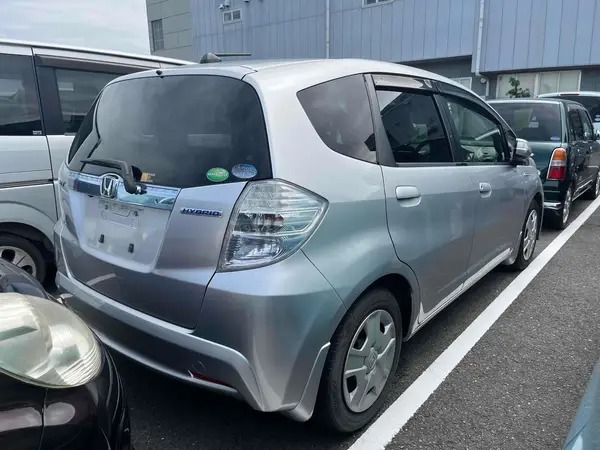
Hybrid vehicles, with their dual powertrain, are emerging as a transitional bridge in Japan’s automotive evolution. They offer fuel efficiency while retaining some familiarity of gasoline engines. Early-generation EVs, although initially limited in range, are finding new life in secondary markets. Enthusiasts and practical buyers alike are recognizing the potential for savings and sustainability. The resale value of these vehicles will hinge on battery longevity and evolving infrastructure, making informed purchasing decisions crucial.
Export Opportunities: Pakistan and Beyond
The global appetite for Japanese used cars is set to soar. Countries like Pakistan are witnessing a growing demand for vehicles that combine reliability, performance, and affordability. The Japanese used car market is uniquely positioned to supply this demand, especially as domestic inventory shifts toward EVs and hybrids. From compact sedans to versatile SUVs, the options available for export are vast. This creates a win-win situation: Japan can efficiently circulate older models, while markets abroad gain access to vehicles renowned for quality and durability.
Choosing the Best Japanese Cars in Pakistan
When importing vehicles from Japan, certain models consistently stand out for their longevity and efficiency. Sedans like the Toyota Corolla and Honda Civic, along with SUVs such as the Nissan X-Trail, are preferred choices. Buyers prioritize reliability, fuel economy, and ease of maintenance. Availability of spare parts and the potential for long-term serviceability are also critical factors. For Pakistani consumers seeking the best Japanese cars in Pakistan, this careful selection ensures both practicality and enduring value.
Environmental and Economic Considerations for Buyers
Investing in a hybrid or electric vehicle, even a used one, carries both environmental and economic benefits. Reduced fuel consumption translates to significant cost savings over time, while lower emissions contribute to a cleaner, healthier environment. However, buyers must weigh initial costs against long-term advantages. Assessing battery health, maintenance requirements, and infrastructure compatibility ensures that each purchase is both financially sound and environmentally responsible.
Conclusion: Preparing for a Green-Driven Used Car Market
Japan’s transition from gasoline to electric vehicles is more than an industry trend—it is a catalyst reshaping the global used car market. The influx of hybrids and EVs will offer buyers unprecedented choice, while international markets like Pakistan stand to benefit immensely. For consumers, understanding market dynamics, vehicle longevity, and sustainability factors will be essential. With careful selection, Japanese used cars continue to promise reliability, efficiency, and value, embodying a future where mobility and environmental consciousness coexist harmoniously.


