 WhatsApp Us Now
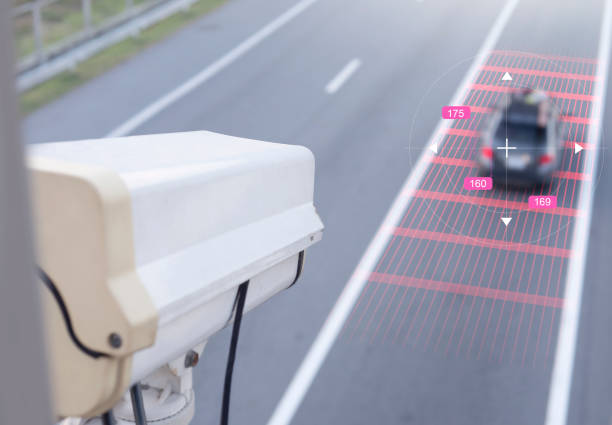
As cities grow and traffic volumes rise, urban planners and authorities face increasing challenges in ensuring road safety. Over-speeding continues to be one of the leading causes of road accidents worldwide, putting pedestrians, commuters, and public infrastructure at risk. To address this persistent problem, governments and city administrators are now embracing the speed enforcement camera system, a transformational technology making modern cities safer and more efficient. With automation, AI, and real-time analytics, these intelligent systems are becoming the backbone of next-generation traffic management.
In today’s smart city ecosystem, mobility is more than just the movement of vehicles. It is about enabling safe, seamless, and sustainable transportation. Speed enforcement technologies directly contribute to this goal by monitoring vehicle speeds without human intervention and reducing traffic violations through consistent, unbiased enforcement. As a result, cities are witnessing fewer accidents, improved traffic flow, and enhanced compliance with traffic laws.
How Speed Enforcement Camera Systems Work
A speed enforcement camera system combines high-resolution cameras, radar or LIDAR-based sensors, and intelligent algorithms to automatically detect speeding vehicles. When a vehicle exceeds the designated speed limit, the system captures the registration number, vehicle image, location, date, and time. This information is then processed and forwarded to authorities for issuing penalties.
Unlike manual enforcement, these automated systems operate 24×7, ensuring continuous monitoring even in challenging weather or low-light conditions. Modern systems also incorporate AI-based recognition tools that improve accuracy and reduce false positives.
Why Automated Speed Enforcement Is Critical for Smart Cities
Smart cities rely heavily on data-driven decisions and real-time monitoring to optimize urban functioning. Road safety plays a central role in this vision. By integrating a speed enforcement camera system, city authorities can achieve:
1. Reduced Road Accidents
Automated speed enforcement encourages safe driving behavior, significantly lowering accident rates in high-risk zones such as intersections and highways.
2. Unbiased Enforcement
Cameras eliminate the potential for human error or manual intervention, ensuring uniform enforcement for all road users.
3. Real-Time Insights
Data generated by these systems helps authorities analyze speeding patterns and redesign roads, signage, or traffic rules accordingly.
4. Cost Efficiency
Instead of deploying large enforcement teams, cities can rely on automated infrastructure for round-the-clock surveillance.
Building a Strong Traffic Enforcement Framework
A powerful Traffic Enforcement Framework integrates the speed enforcement camera system as a core component of citywide mobility planning. This framework consists of regulatory policies, digital monitoring technologies, central data management systems, and responsive traffic authorities.
By creating a unified digital ecosystem, cities can streamline enforcement processes, reduce paperwork, and ensure timely penalty issuance. Automated alerts, digital challans, and centralized traffic dashboards further strengthen this framework.
Speed enforcement cameras also contribute to broader urban goals, such as reducing congestion, lowering emissions, and decreasing emergency response burdens. With accurate data insights, administrators can introduce intelligent speed limits, dynamic road regulations, and targeted safety campaigns, making urban mobility more predictable and safe.
Key Features of Modern Speed Enforcement Camera Systems
Today’s systems have evolved beyond basic speed detection. Some advanced features include:
High-Resolution Imaging
Cameras capture clear images even at high vehicle speeds, ensuring proper identification.
Automatic Number Plate Recognition (ANPR)
AI-powered ANPR systems enhance detection accuracy and streamline violation processing.
Multi-Lane Monitoring
One system can track several lanes simultaneously, improving coverage in busy areas.
Adaptability to Various Road Conditions
Modern units withstand harsh weather, extreme temperatures, and varying light conditions.
Integration with Smart City Networks
Data can be fed directly into city command centers for live monitoring and faster action.
Speed Enforcement and the Future of Mobility
As urban mobility evolves, smart cities are increasingly relying on intelligent automation to manage road environments. A speed enforcement camera system is no longer just a tool for punishing traffic offenders; it is now a strategic asset for improving transportation efficiency.
In addition, integration with upcoming technologies such as connected vehicles, AI-based prediction engines, and automated traffic control systems will make speed enforcement more dynamic. Smart cities will be able to identify hotspots, forecast traffic behavior, and implement targeted solutions, all through digital intelligence.
Video Analytics and AI Elevating Traffic Safety
Modern systems often incorporate advanced video analytics to enhance monitoring accuracy. These analytics help authorities detect unusual behavior, such as sudden lane changes or risky overtaking, contributing to a deeper understanding of driver patterns.
With AI, cameras can now differentiate between various vehicle types, identify safety violations more accurately, and support predictive analysis. This layered intelligence makes speed enforcement more efficient than ever.
Top Companies Providing Speed Enforcement Camera Systems
Several technology providers are contributing to the development of automated enforcement systems. Leading companies in this domain include:
- Vehant Technologies
Vehant is a major provider of smart traffic monitoring and enforcement solutions, offering advanced speed detection and automated violation management systems for urban and highway applications. - SITEL Systems
Known for intelligent traffic solutions, they provide automated systems for speed detection and enforcement integrated with city control platforms. - TurboTrack Solutions
A firm specializing in road safety technologies, offering end-to-end solutions for vehicle monitoring and traffic law enforcement. - TrackSense Innovations
Provides AI-supported imaging systems for traffic monitoring, ensuring high accuracy in violation detection.
These companies are shaping the future of urban safety through cutting-edge automation and AI-driven solutions.
Improving Traffic Management Through Automated Speed Enforcement
Improving traffic management is a key objective of every smart city mission. Automated speed enforcement plays a crucial role in achieving this. By reducing overspeeding incidents, cities experience smoother traffic flow, fewer bottlenecks, and improved coordination among road users.
The data generated also helps traffic planners redesign road layouts, implement dynamic speed limits, and introduce advanced warning systems. Over time, automated enforcement reduces the burden on on-ground police teams, allowing them to focus on critical tasks rather than regular monitoring.
Conclusion
The rise of the speed enforcement camera system marks a significant shift in how smart cities approach road safety. Automation eliminates bias, AI enhances accuracy, and digital frameworks ensure efficient processing of violations. As urban populations grow and transportation demands intensify, automated speed enforcement will become an indispensable tool in preventing accidents, managing congestion, and protecting communities.
With companies like Vehant driving innovation in this space, cities are better equipped than ever to build safer, smarter, and more efficient mobility ecosystems. Smart enforcement is not just the future—it is the foundation of modern urban governance.


