 WhatsApp Us Now
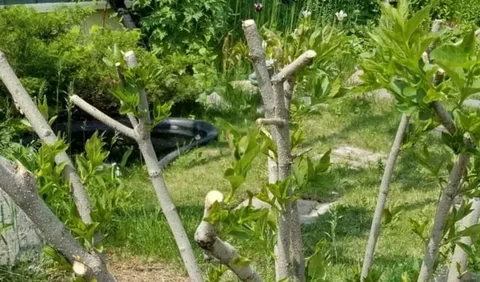
Maintaining healthy and visually appealing trees is essential for any property. While Tree service offers a variety of solutions, including Tree trimming, Tree pruning, and Tree removal, homeowners often make mistakes that compromise tree health and safety. Improper pruning can lead to structural weaknesses, disease, and even premature tree death. At HillTop Tree Service in Akron IN, we provide expert Arborist service, Tree stump removal, Tree stump grinding, and Cabling And Bracing to ensure every tree in your yard receives proper care.
Tree pruning is not just about aesthetics. Pruning affects tree growth, strength, and long-term health. Understanding common mistakes and how to avoid them can save homeowners money, prevent hazards, and maximize property value. This article highlights the most frequent tree pruning mistakes and offers guidance for safer, more effective care.
Over-Pruning
One of the most common mistakes is removing too much foliage at once. Over-pruning can stress trees, reduce their ability to produce food through photosynthesis, and make them more vulnerable to disease and pests. Experts recommend removing no more than 25–30% of a tree’s canopy during a single pruning session.
Professional Tree service providers understand species-specific limits and use targeted Tree pruning techniques to maintain the tree’s health while improving structure and aesthetics. Over-pruning may also require additional Cabling And Bracing to support weakened limbs, adding unnecessary costs.
Using Improper Tools
Using the wrong tools can damage trees and make pruning more dangerous. Dull saws or shears tear bark instead of cutting cleanly, leaving wounds that are susceptible to infection. Avoid using chainsaws or pruners without proper training.
Certified arborists use specialized tools that ensure clean cuts, minimize stress on trees, and reduce the risk of injury. At HillTop Tree Service in Akron IN, all our Tree trimming and Tree pruning services are performed with the appropriate equipment, ensuring optimal results.
Cutting Too Close to the Trunk
Incorrectly cutting near the trunk, known as “flush cutting,” can remove the tree’s protective branch collar. This area contains cells that naturally seal wounds, preventing decay. Removing it can cause long-term damage, increase susceptibility to pests, and shorten the tree’s lifespan.
Instead, make pruning cuts just outside the branch collar. Proper Arborist service ensures that every cut promotes healing and maintains tree structure. Missteps here often lead to the need for Tree stump removal or additional care in the future.
Ignoring Tree Health
Pruning without assessing tree health can be dangerous. Diseased or infested trees require specialized treatment. Cutting into a sick limb without proper care may spread infection or stress the tree further.
Professional arborists evaluate the tree’s overall health, identify weak points, and plan pruning strategies that improve growth while preventing damage. This approach reduces the risk of needing Tree removal or emergency services later on.
Improper Timing
Pruning at the wrong time of year can harm trees. Pruning in late summer or fall can encourage new growth that may not harden before winter, increasing vulnerability to cold damage. Spring pruning can also stress flowering trees by removing buds.
Experienced Tree service providers know the best timing for each species to promote growth, flowering, and safety. Combining proper timing with techniques like Tree trimming and Cabling And Bracing ensures trees remain healthy and stable throughout the year.
Neglecting Structural Issues
Trees with structural problems, such as weak crotches or split branches, need careful attention. Failing to address these issues during pruning can result in limb breakage, property damage, or personal injury.
Professional arborists can apply Cabling And Bracing to support vulnerable limbs, ensuring the tree remains safe and visually appealing. Ignoring these concerns can also lead to future Tree stump grinding or removal if branches fail.
Cutting Live Branches Unnecessarily
Removing live branches that are not diseased or hazardous can reduce a tree’s energy reserves. Each branch produces food through photosynthesis, and unnecessary removal weakens the tree.
Expert Tree pruning focuses on removing dead, damaged, or poorly positioned branches, preserving the tree’s natural structure and long-term health. Avoiding this mistake helps maintain vibrant, resilient trees for years to come.
Not Following Proper Pruning Techniques
Improper pruning methods, such as topping or indiscriminate shearing, can create weak branch structures, encourage disease, and negatively affect the tree’s natural shape. Topping, for instance, leaves stubs that are prone to rot and pest infestation.
Using professional Arborist service ensures pruning follows industry standards, protecting trees from structural issues and reducing the likelihood of future Tree stump removal or emergency Tree removal.
Ignoring the Surrounding Environment
Pruning without considering nearby power lines, buildings, or other plants can create hazards. Branches may fall in unintended areas, causing property damage or injury.
Certified Tree service professionals evaluate the environment and plan cuts to protect property and people. Combining services like Tree trimming, Tree pruning, and Cabling And Bracing ensures a safer and more visually appealing landscape.
Conclusion
Tree pruning is an essential aspect of landscape management, but mistakes can compromise tree health and safety. Common errors, including over-pruning, using improper tools, cutting too close to the trunk, ignoring tree health, and neglecting structural concerns, can lead to costly repairs or even tree loss. Professional Tree service from certified providers ensures proper Tree trimming, Tree pruning, Arborist service, Tree stump removal, Tree stump grinding, Tree removal, and Cabling And Bracing are applied safely and effectively.
By avoiding these mistakes, homeowners protect their trees, enhance curb appeal, and improve long-term property value. At HillTop Tree Service in Akron IN, we provide expert care designed to preserve tree health, safety, and beauty for years to come. Investing in professional pruning and tree maintenance is an investment in both safety and aesthetics.
FAQs
Q1: How often should trees be pruned?
Most trees benefit from pruning every 2–3 years, depending on species, age, and growth patterns.
Q2: Can improper pruning kill a tree?
Yes. Over-pruning, cutting too close to the trunk, or removing healthy branches improperly can stress or kill a tree.
Q3: What is the difference between tree trimming and tree pruning?
Trimming generally focuses on aesthetics and minor growth control, while pruning removes diseased, dead, or structurally unsound branches to maintain tree health.
Q4: Should I prune my trees myself?
Small branches can be pruned safely, but larger trees and critical cuts should be handled by certified arborists to ensure safety and proper technique.
Q5: Can pruning improve property value?
Absolutely. Healthy, well-maintained trees enhance curb appeal, reduce hazards, and increase property marketability.


