 WhatsApp Us Now
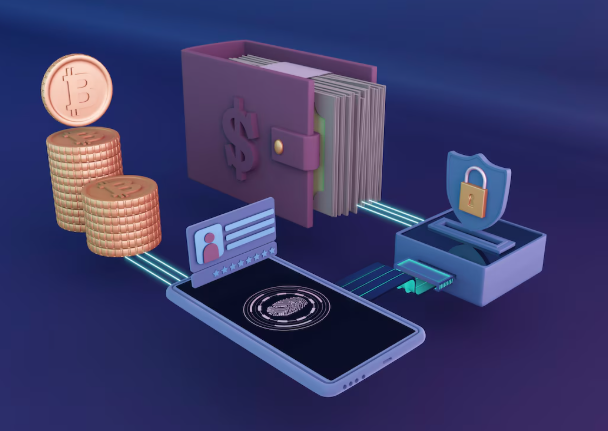
The global crypto market continues to expand rapidly, and digital wallets are becoming the primary gateway for users entering blockchain ecosystems. Observing this trend, many entrepreneurs are now exploring ways to build next-gen, user-friendly, and secure wallet platforms similar to Trust Wallet. This is where trust wallet clone development becomes a strategic approach, enabling businesses to create wallets that mirror the simplicity, security, and decentralized features that made Trust Wallet widely popular. As we move toward 2026, launching your own crypto wallet isn’t just an opportunity it is a competitive advantage in a fast-evolving digital finance landscape.
Understanding the Rise of Crypto Wallets
The shift from centralized financial platforms to decentralized ecosystems had played a significant role in the increasing use of non-custodial wallets. Users want complete control of their funds without depending on intermediaries. Trust Wallet stands out because it enables users to manage multiple digital assets, access dApps directly, and maintain ownership of their private keys without surrendering control to an exchange or third-party custodian. This shift in mindset reflects a broader cultural and technological shift toward empowering users.
Crypto wallets have become essential tools, not just for holding assets but for participating in decentralized exchanges, gaming platforms, NFT marketplaces, yield farming, staking pools, and governance protocols. Any new wallet entering this market must understand that the modern user expects an all-in-one experience that combines accessibility, performance, and flexibility.
Core Features Required in a Trust Wallet-Like Application
If you are planning to launch a wallet similar to Trust Wallet, your platform must include core functionalities that support convenience, security, and multi-asset storage. The interface should be clean and intuitive, allowing even first-time crypto users to transfer tokens, store NFTs, or connect to dApps without confusion. Performance responsiveness also matters no delays, no complicated menus, and no unnecessary steps.
Security is non-negotiable. Modern wallets must include secure private key storage, seed phrase recovery, biometric authentication, anti-phishing verification, and robust encryption standards. Cyber threats are growing more sophisticated every year. Therefore, integrating next-generation defense measures, such as hardware wallet support or MPC-based key handling, becomes essential.
On the functionality side, multi-chain support is one of the strongest differentiators. A competitive wallet must support top networks, including Ethereum, Bitcoin, BNB Chain, Solana, Polygon, Tron, and emerging Web3 blockchains. The more token standards your wallet supports, the greater your potential user base.
Why User Experience Determines Success
Most people entering crypto are not developers, and wallets must simplify blockchain interactions. A wallet that is difficult to operate will see high user abandonment. Your primary goal should be to eliminate user confusion. Providing guidance, pop-up hints, education on seed phrases, and a smooth first-time onboarding flow can significantly boost retention.
Clear transaction previews, fee breakdowns, and integration with decentralized apps improve the user’s confidence in managing digital assets. When users feel that your wallet is safe, transparent, and easy to use, they adopt it as their default wallet not just as a temporary experiment.
The Role of DeFi and Network Connectivity
As decentralized finance continues to expand, wallets must enable users to lend, borrow, stake, swap, and provide liquidity without relying on centralized exchanges. This is where integrating blockchain finance tools becomes necessary. The middle stage of wallet development often involves connecting to DeFi protocols, and that’s when many businesses require defi wallet development services to ensure proper smart contract connectivity, liquidity routing, gas optimization, and seamless interaction between wallets and blockchain-based financial platforms.
A wallet that connects easily to DeFi applications stands a greater chance of widespread adoption because it offers functionality beyond asset storage. It positions itself as a gateway to decentralized financial ecosystems.
Technology Architecture and Backend Foundation
Launching a wallet requires a strong development blueprint. A sound architecture includes secure private key management, blockchain node connectivity, API layer construction, encrypted local storage, token swap routers, and dApp browser integration. Your backend must support scaling as your user volume increases. If your servers fail during high-traffic moments, users lose trust.
Smart contract compatibility is also essential. Many wallet operations depend on executing or reading on-chain smart contract data. Ensuring compatibility with major networks helps guarantee smooth user activity. This step often requires specialized blockchain developers familiar with cross-chain environments.
User Support, Education, and Community Building
Community trust is one of the strongest drivers of growth for crypto wallets. Users value transparency and open communication. Offering in-app guides, FAQs, responsive support channels, and active social community spaces helps users feel supported. Wallet providers who invest in user education see longer platform retention and higher brand reputation.
Transparency strengthens credibility. Publishing audit results, security assessments, and documentation helps reinforce that your wallet is safe and trustworthy. The crypto community is cautious; openness builds confidence.
Business Strategy and Market Positioning
Launching a wallet is both a technical and strategic project. You need to define your brand’s identity: are you emphasizing high security, DeFi utility, NFT support, or minimalistic usability? Once your value proposition is clear, expansion into partnerships becomes smoother. Collaborations with crypto exchanges, blockchain platforms, NFT projects, and DeFi ecosystems help grow your user base organically.
Revenue streams like token swap fees, staking rewards, premium features, staking pools, launchpads, or cross-chain bridges can generate sustainable business growth. Your wallet can evolve into a complete digital finance ecosystem over time.
Choosing the Right Development Partner
As you approach deployment, you need skilled development resources. Partnering with experienced teams who understand wallet encryption, node integration, and blockchain ecosystem architecture will allow your product to function reliably at scale. Professional cryptocurrency wallet development services provide expertise in security engineering, multi-chain integration, UI/UX design, and network optimization ensuring your wallet launches successfully and remains competitive.
Conclusion
Launching your own crypto wallet, such as Trust Wallet, in 2026 presents a powerful opportunity in a digital world shifting toward decentralization, self-ownership, and open financial participation. With thoughtful planning, secure architecture, scalable multi-chain support, integrated DeFi capabilities, and continuous feature evolution, your wallet can stand out in the global fintech market. The future of crypto is user-driven, decentralized, and interconnected and the next primary wallet could be yours.


