 WhatsApp Us Now
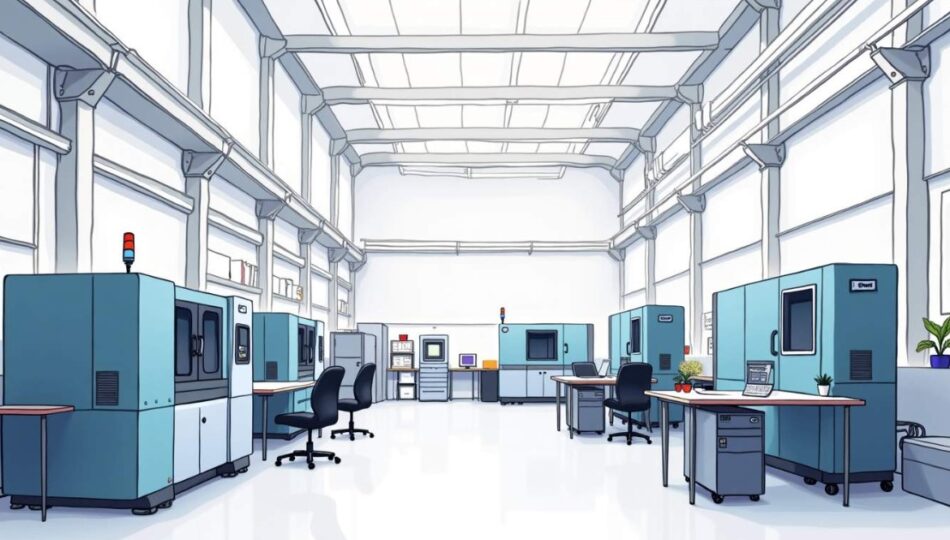
Step into a mechanical engineering workshop today, and the scene is nothing like the gritty, oil-stained garages of decades past. Instead, you’ll find a blend of precision, technology, and craftsmanship that speaks volumes about how far the field has come. From CNC machines humming with digital precision to collaborative spaces designed for innovation, modern workshops are the beating heart of engineering progress.
The Evolution of the Mechanical Engineering Workshop
Mechanical engineering workshops have transformed dramatically over the years. What once relied heavily on manual labor and rudimentary tools now thrives on automation, computer-aided design, and sophisticated manufacturing techniques. This evolution reflects the increasing complexity of engineering projects and the demand for higher accuracy and efficiency.
Back in the day, workshops were dominated by lathes, milling machines, and hand tools, all operated by skilled machinists who relied on experience and intuition. Today, while those foundational skills remain important, digital tools have taken center stage, allowing engineers to push the boundaries of what’s possible.
From Hand Tools to Digital Precision
Imagine a craftsman shaping a metal component with a file and hammer. That image still holds nostalgic value, but the reality is that most components now emerge from computer-controlled machines. CNC (Computer Numerical Control) technology enables the production of parts with tolerances measured in microns. This leap in precision has opened doors to innovations in aerospace, automotive, and medical device manufacturing.
CAD (Computer-Aided Design) software complements CNC machines by allowing engineers to create detailed 3D models before a single cut is made. This digital blueprint guides the entire manufacturing process, reducing errors and speeding up production cycles. Furthermore, the integration of simulation software allows engineers to test their designs under various conditions virtually, ensuring that potential issues are identified and addressed before physical production begins. This not only saves time and resources but also enhances the overall quality of the final product. To explore advanced engineering solutions, you can visit Radley Engineering, a leading Mechanical Engineering company in Ireland.
Moreover, the rise of additive manufacturing, commonly known as 3D printing, has further revolutionized the workshop landscape. This technology allows for the layer-by-layer construction of complex geometries that were previously impossible to achieve with traditional subtractive methods. Engineers can now experiment with lightweight materials and intricate designs, pushing the limits of creativity and functionality. The ability to rapidly prototype and iterate designs has significantly shortened the development cycle, enabling companies to respond more swiftly to market demands and innovate at an unprecedented pace.
Key Features of Modern Mechanical Engineering Facilities
Modern workshops are more than just spaces filled with machines. They’re carefully designed environments that foster creativity, collaboration, and efficiency. Several features stand out when stepping inside these cutting-edge facilities.
Advanced Manufacturing Equipment
At the core of any mechanical engineering workshop is its array of manufacturing equipment. Beyond traditional lathes and mills, facilities now incorporate 3D printers, laser cutters, and robotic arms. These tools expand the possibilities for prototyping and production.
3D printing, for example, has revolutionized the way prototypes are made. Instead of waiting days or weeks for a part to be machined, engineers can produce complex geometries in hours. This rapid iteration accelerates design validation and reduces costs. Moreover, advancements in materials science have led to the development of new filaments and resins that can withstand extreme conditions, allowing engineers to test their designs under realistic scenarios before committing to full-scale production.
Integrated Digital Systems
Integration is key. Modern workshops connect machines, design software, and quality control systems through digital networks. This connectivity enables real-time monitoring and data collection, which helps optimize processes and predict maintenance needs.
For instance, sensors embedded in CNC machines track vibrations and temperature, alerting operators to potential issues before they cause downtime. This predictive maintenance approach saves time and money while ensuring consistent quality. Additionally, the use of cloud computing allows teams to access and share data from anywhere, facilitating remote collaboration and enabling engineers to make informed decisions based on the latest information, no matter where they are located.
Collaborative Workspaces
Engineering is rarely a solo endeavor. Modern workshops often feature open-plan areas where designers, machinists, and engineers can collaborate closely. These spaces encourage knowledge sharing and problem-solving, which are crucial when working on complex projects.
Whiteboards, digital displays, and flexible seating arrangements support brainstorming sessions and quick design reviews. This setup contrasts sharply with the isolated, noisy environments of traditional workshops. Furthermore, the incorporation of virtual reality (VR) and augmented reality (AR) technologies into these collaborative spaces allows teams to visualize their projects in immersive environments, making it easier to identify potential design flaws and enhance communication among team members. As a result, these workshops not only foster innovation but also create a culture of continuous improvement and learning, essential for staying competitive in the ever-evolving field of mechanical engineering.
Safety and Sustainability in the Workshop
Safety has always been a priority in mechanical engineering workshops, but modern facilities take it to new levels. With the introduction of advanced machinery, the potential risks have evolved, requiring updated protocols and equipment.
Enhanced Safety Measures
Automated machines come with built-in safety features such as emergency stop buttons, light curtains, and protective enclosures. These measures protect operators from moving parts and flying debris.
Workshops also implement strict personal protective equipment (PPE) policies, including eye protection, gloves, and hearing protection. Regular training sessions ensure that everyone understands how to operate equipment safely.
In addition to these measures, workshops are increasingly utilizing technology to enhance safety. For instance, wearable safety devices that monitor vital signs and environmental conditions can alert workers to potential hazards in real-time. Furthermore, the integration of augmented reality (AR) in training programs allows new employees to practice operating machinery in a simulated environment, significantly reducing the risk of accidents during their initial hands-on experiences.
Environmental Responsibility
Modern workshops are increasingly conscious of their environmental impact. Energy-efficient machines, waste recycling programs, and the use of biodegradable lubricants are becoming standard.
Some facilities have even adopted green building practices, incorporating natural lighting and ventilation to reduce energy consumption. These efforts not only benefit the planet but also create healthier, more comfortable work environments.
Moreover, workshops are exploring innovative methods to minimize their carbon footprint. This includes investing in renewable energy sources such as solar panels or wind turbines to power their operations. Additionally, many are engaging in life cycle assessments of their products to identify areas for improvement, ensuring that sustainability is considered at every stage of production, from design to disposal. By fostering a culture of environmental stewardship, these workshops not only comply with regulations but also inspire their employees and the community to prioritize sustainability in their own practices.
Training and Skill Development in Modern Workshops
Technology advances rapidly, and so must the skills of those working in mechanical engineering workshops. Continuous training is essential to keep pace with new tools and methods. As industries evolve, the demand for engineers who can adapt to new technologies and methodologies only increases. This necessitates a culture of lifelong learning within the engineering community, where professionals are encouraged to pursue ongoing education and certifications to stay competitive in their fields.
Hands-On Learning with Technology
Many workshops now include dedicated training areas equipped with simulators and virtual reality (VR) setups. These tools allow trainees to practice operating complex machinery in a risk-free environment. By immersing themselves in realistic simulations, trainees can familiarize themselves with the intricacies of machine operations and maintenance without the fear of costly errors. This not only enhances their technical skills but also builds confidence in their abilities to handle real equipment.
VR can simulate scenarios like machine malfunctions or assembly challenges, helping engineers develop problem-solving skills without the cost or danger of real-world mistakes. Additionally, the use of augmented reality (AR) can further enhance this learning experience by overlaying digital information onto physical environments, allowing trainees to visualize processes and components in real-time. Such innovative approaches to training ensure that engineers are not only adept at using machines but are also prepared to troubleshoot and innovate in high-pressure situations.
Cross-Disciplinary Skill Sets
Modern mechanical engineers often need knowledge beyond traditional machining. Skills in programming, electronics, and data analysis are increasingly valuable. Workshops encourage this by offering courses and collaborative projects that blend these disciplines. By integrating knowledge from various fields, engineers can approach problems from multiple angles, fostering creativity and innovation in their solutions. This interdisciplinary approach is crucial as industries increasingly rely on smart technologies and interconnected systems.
This broad skill set enables engineers to work effectively with automation systems, interpret sensor data, and contribute to design optimization using software tools. Moreover, as the Internet of Things (IoT) continues to expand, engineers equipped with both mechanical and digital skills will play a pivotal role in developing smarter, more efficient systems. Workshops are now focusing on real-world applications, encouraging engineers to engage in projects that require teamwork and communication, thereby preparing them for the collaborative nature of modern engineering environments.
The Future of Mechanical Engineering Workshops
Looking ahead, workshops will continue to evolve alongside technology. Several trends are already shaping the future landscape.
Automation and Artificial Intelligence
Automation will deepen its role, with AI-driven systems managing production lines, quality control, and maintenance scheduling. Intelligent robots may take on more complex tasks, freeing human engineers to focus on innovation and design.
Machine learning algorithms can analyze vast amounts of production data to identify inefficiencies or predict failures, making manufacturing smarter and more responsive.
Customization and On-Demand Manufacturing
The rise of additive manufacturing and flexible machinery means workshops can produce highly customized parts quickly. This shift supports industries like healthcare, where patient-specific implants and devices are becoming common.
On-demand manufacturing reduces inventory costs and waste, enabling a more sustainable and agile production model.
Remote and Distributed Workspaces
Advances in connectivity and digital tools may lead to more distributed workshop models. Engineers could collaborate on designs remotely, while local facilities handle production. This approach can speed up delivery times and tap into global expertise.
Cloud-based CAD platforms, remote machine monitoring, and augmented reality support this new way of working.
Conclusion
Modern mechanical engineering workshops are dynamic hubs where tradition meets technology. They blend hands-on craftsmanship with digital precision, fostering environments that prioritize safety, sustainability, and continuous learning. As technology continues to advance, these facilities will evolve, driving innovation and shaping the future of engineering.
Stepping inside one of these workshops reveals more than just machines and tools-it offers a glimpse into the future of manufacturing and design, where creativity and technology work hand in hand to solve the challenges of tomorrow.


