 WhatsApp Us Now
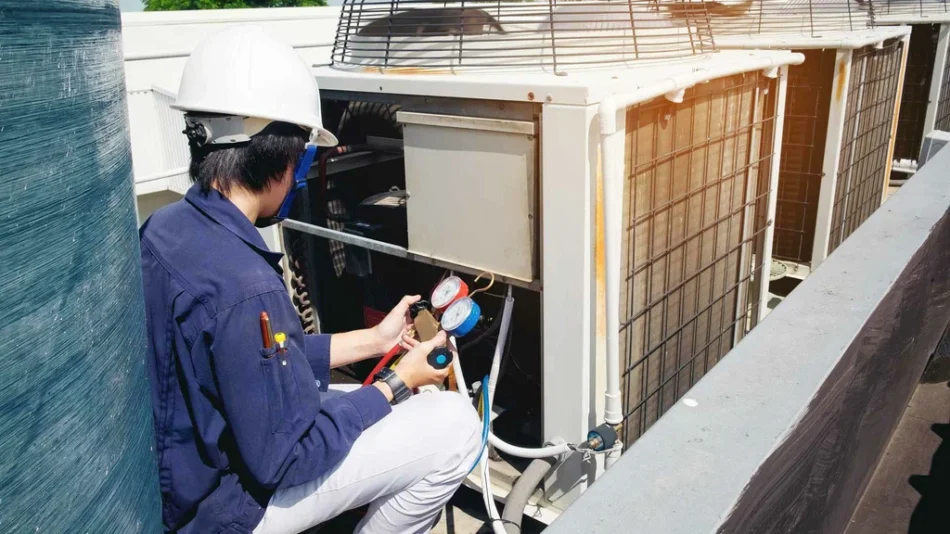
HVAC systems are the heart of home comfort, keeping your living spaces warm in the winter and cool in the summer. But like any mechanical system, HVAC units have a lifespan. Many homeowners wonder whether a 20-year-old HVAC system is worth repairing or if it’s time for a replacement. Making the right choice can save you money, energy, and unnecessary stress in the long run.
How Long Do HVAC Systems Last?
Most modern HVAC systems are designed to last between 15 to 20 years, depending on maintenance, usage, and environmental conditions. After this period, even systems that have been well cared for may struggle to maintain efficiency and comfort. Signs of aging include higher energy bills, uneven heating or cooling, frequent breakdowns, and strange noises.
Routine maintenance can extend the life of an HVAC system, but after 20 years, the system has likely surpassed its optimal performance window. Older units may also use outdated refrigerants, which can be less environmentally friendly and harder to replace.
Signs It’s Time to Consider Replacement
Several indicators suggest that it may be time to replace a 20-year-old HVAC system:
- Frequent Repairs: If your system breaks down more than once a year, repair costs can quickly outweigh the value of keeping it.
- Rising Energy Bills: Older HVAC units tend to become less efficient over time, consuming more electricity or gas to achieve the same comfort levels.
- Inconsistent Temperature: Rooms may feel warmer or cooler than others, even after adjusting your thermostat.
- Strange Noises or Odors: Banging, rattling, or hissing sounds, as well as musty smells, can indicate serious internal issues.
If you notice these signs, scheduling HVAC Repairs or Diagnostics Service In in Panama City Beach FL can help determine whether repairs are worthwhile or if replacement is the better option. Professionals can assess efficiency, system health, and provide recommendations tailored to your home’s needs.
Benefits of Replacing an Old HVAC System
Upgrading from a 20-year-old HVAC system can bring numerous advantages:
- Improved Efficiency: New systems use advanced technology and energy-efficient components, potentially lowering your utility bills by 20-40%.
- Better Comfort: Modern systems provide more consistent temperatures and improved humidity control, enhancing indoor air quality.
- Fewer Repairs: With a new unit, you’ll likely spend less time and money on emergency fixes.
- Environmental Benefits: Replacing old refrigerants with eco-friendly options reduces your carbon footprint and complies with modern regulations.
Even though replacement can be a significant investment, the long-term savings in energy bills and reduced repair costs often justify the decision.
Choosing the Right System for Your Home
Selecting a new HVAC system depends on your home size, climate, and budget. Modern options include energy-efficient heat pumps, furnaces, and central air systems. Homeowners should consider SEER ratings (Seasonal Energy Efficiency Ratio) for cooling efficiency and AFUE ratings (Annual Fuel Utilization Efficiency) for heating.
Comfort Solutions Heating & Air, LLC has a strong reputation for helping homeowners navigate these choices. They are known for professional guidance, ensuring systems are correctly sized and installed for maximum performance. Homeowners who work with them often find their new systems more reliable and efficient than older units.
Cost Considerations
Replacing a 20-year-old HVAC system can range from $5,000 to $12,000, depending on the type of unit, home size, and installation complexity. While this may seem high, it’s important to consider:
- Ongoing Repairs vs. Replacement: Frequent breakdowns can cost thousands over time.
- Energy Savings: Newer units can significantly reduce utility bills.
- Home Value: An upgraded HVAC system can increase your property’s value and appeal to potential buyers.
Maintenance Tips for a New System
Once you replace your HVAC system, regular maintenance is essential for longevity and efficiency:
- Change air filters every 1-3 months.
- Schedule annual professional tune-ups for both heating and cooling systems.
- Keep vents and ducts clean and unobstructed.
- Monitor your thermostat and system performance for irregularities.
Even the best systems benefit from proper care, ensuring that your investment lasts for decades.
When to Call the Professionals
For homeowners unsure whether to repair or replace, professional evaluation is the safest choice. Certified technicians can perform detailed inspections, provide cost estimates, and explain the pros and cons of repairing an old system versus upgrading.
Comfort Solutions Heating & Air, LLC offers expert evaluations and installation services. Their team is highly trained in modern HVAC systems, helping homeowners make informed decisions. Working with experienced professionals ensures that your home will maintain comfort, efficiency, and safety.
If your 20-year-old system shows persistent problems, don’t wait for a complete breakdown. Contacting a trusted provider for HVAC Repairs or Diagnostics Service In in Panama City Beach FL can provide clarity and peace of mind.
Conclusion
Deciding whether to replace a 20-year-old HVAC system is not always straightforward. Consider factors like frequent repairs, rising energy costs, inconsistent temperatures, and outdated components. Replacing an old system can improve comfort, efficiency, and long-term savings, while also supporting environmental responsibility.
Partnering with knowledgeable professionals like Comfort Solutions Heating & Air, LLC ensures that you make a well-informed choice tailored to your home. They combine expertise, quality products, and careful installation practices to keep homes comfortable for years to come.
Ultimately, upgrading your HVAC system is an investment in your home’s comfort and efficiency. Don’t let an old unit compromise your indoor air quality or energy bills.


