 WhatsApp Us Now
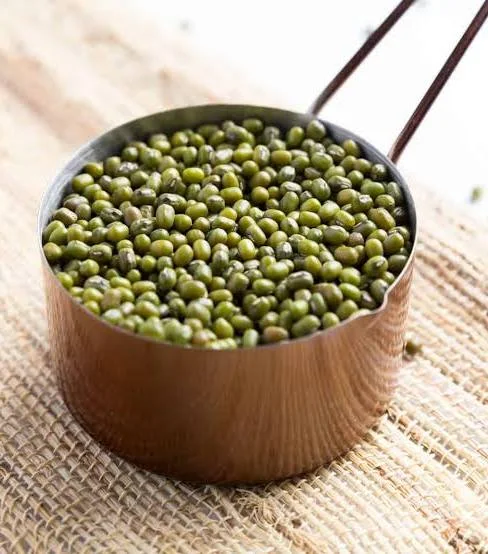
Green Mung Bean, also called Green Gram (Vigna radiata), is a small, nutrient-rich legume that has gained global attention due to its high protein, fiber, and mineral content. Beyond its traditional use in Asian cuisine, it is now widely incorporated into food processing, wellness products, vegan snacks, and health-focused packaged foods.
For global buyers, sourcing high-quality green mung beans is essential to meet both nutritional standards and international trade compliance.
This guide provides an in-depth overview of the global mung bean market, sourcing strategies, key exporting nations and companies, quality requirements, and practical tips for international buyers.
Global Demand for Green Mung Bean
The demand for green mung beans is rising steadily, driven by the growing trend toward plant-based diets, healthy eating, and sustainable food production.
- Market Size: The global green mung bean market was valued at over USD 2 billion in 2024 and is projected to grow at 5–6% annually until 2030.
- Major Consumers: Countries like India, China, Indonesia, Thailand, and the Philippines are traditional consumers. Emerging markets include the Middle East, Europe, and North America.
- End Uses: Mung beans are versatile, used in sprouts, noodles, soups, sweets, snacks, protein powders, and plant-based meat alternatives. Their high digestibility and protein content make them popular in nutrition-focused products.
Key Features of Green Mung Bean
Understanding the attributes of green mung beans helps importers assess quality and suitability for end products:
- High Nutrition: Rich in protein (approximately 24%), dietary fiber, iron, magnesium, and antioxidants.
- Eco-Friendly Crop: Requires minimal water and improves soil nitrogen content, making it ideal for sustainable sourcing.
- Organic & Vegan Demand: Certified organic and non-GMO mung beans are increasingly sought after in Western markets.
- Versatile Use: Suitable for cooking, sprouts, packaged foods, protein-rich snacks, and health supplements.
Top Exporting Countries and Leading Supplier Companies
For global buyers, working with reliable suppliers is critical to ensure consistent quality, timely delivery, and compliance with international standards. Here are the main exporters:
- India
- Overview: India is the world’s largest producer of green mung beans, supplying Southeast Asia, the Middle East, Europe, and North America.
- Annual Exports: Over 120,000 metric tons annually.
- Leading Supplier Companies:
- Kisan Agro: Focuses on organic and GMP-certified pulses.
- Shree Krishna Agro: Specializes in bulk mung bean exports with quality assurance.
- AGS Mega Mart: Provides high-quality mung beans to Gulf and Southeast Asian markets.
- Kisan Agro: Focuses on organic and GMP-certified pulses.
- Overview: India is the world’s largest producer of green mung beans, supplying Southeast Asia, the Middle East, Europe, and North America.
- Myanmar
- Overview: Major exporter to India and South-East Asia.
- Annual Exports: Largest exporter of Green Mung Bean globally. Exported around 630,000 metric tons in 2023–24, valued at USD 511 million.
- Leading Supplier Companies:
- Myanmar Agro Corp: Known for bulk exports of cleaned and sorted mung beans.
- Golden Bean Exports: Supplies to Asian and Middle Eastern markets.
- Myanmar Agro Corp: Known for bulk exports of cleaned and sorted mung beans.
- Overview: Major exporter to India and South-East Asia.
- Australia
- Overview: Produces premium machine-cleaned mung beans for East Asian buyers.
- Annual Exports: Moderate volumes, high-quality focus.
- Leading Supplier Companies:
- Australian Pulse Exports: Provides traceable and non-GMO mung beans.
- GrainCorp Australia: Known for consistent quality and compliance with international standards.
- Australian Pulse Exports: Provides traceable and non-GMO mung beans.
- Overview: Produces premium machine-cleaned mung beans for East Asian buyers.
- Other Notable Exporters:
- Thailand: Specializes in smaller, high-quality batches for gourmet products.
- Vietnam: Focused on processed and sprouting-grade mung beans.
- Thailand: Specializes in smaller, high-quality batches for gourmet products.
Top Importing Markets
Green mung bean importers are concentrated in countries with food processing industries or a large demand for sprouts and health foods:
- Indonesia & Vietnam: For food processing and packaged snacks.
- China: High demand for sprouting-grade beans and starch production.
- Middle East (UAE, Saudi Arabia, Egypt): Increasing demand for culinary and retail use.
- Europe & North America: Rising demand for organic, vegan, and non-GMO mung beans, growing 7–8% annually.
Sourcing and Quality Requirements
To import green mung beans successfully, buyers need to ensure suppliers meet international quality standards:
- Certification & Registration:
- Importer Exporter Code (IEC) from DGFT.
- APEDA Registration for Indian exports.
- Phytosanitary Certificate to confirm plant health.
- ISO, HACCP, or Organic Certifications for premium markets.
- Importer Exporter Code (IEC) from DGFT.
- Quality Standards:
- Moisture content below 12%.
- Foreign matter less than 1%.
- Uniform size, color, and purity of grains.
- Packed in moisture-proof bags (25–50 kg, PP or jute).
- Moisture content below 12%.
- Documentation Required:
- Commercial Invoice & Packing List.
- Bill of Lading.
- Certificate of Origin.
- Phytosanitary Certificate & Fumigation Certificate (if needed).
- Commercial Invoice & Packing List.
Pricing and Trade Insights
- Prices fluctuate based on harvest conditions, rainfall, and global demand.
- Indian export price: Typically USD 800–1,200 per metric ton depending on quality and grade.
- Exporters often see higher demand during festival seasons in Southeast Asia.
Using digital B2B platforms like Tradologie helps buyers compare prices, connect with verified suppliers, negotiate in real-time, and manage logistics seamlessly.
Challenges in Importing Green Mung Beans
- Quality Consistency: Maintaining uniformity in size, color, and purity is vital for long-term partnerships.
- Regulatory Compliance: Import rules vary by country, including phytosanitary inspections and lab testing.
- Supply Chain Risks: Weather, port congestion, or logistics issues can delay shipments.
Mitigating these challenges involves careful supplier selection, digital tracking, and transparent trade agreements.
Strategic Advantages of Digital Trade Platforms
Digital platforms are revolutionizing mung bean trade:
- Verified buyers and sellers in over 85 countries.
- Real-time pricing discussions with importers.
- Assistance with documentation, logistics, and secure payments.
- Full visibility over trade processes to reduce risks.
Future Outlook
Global interest in organic, non-GMO, and sustainably farmed green mung beans is expected to rise. India, Myanmar, and Australia are well-positioned to meet these demands with certified, high-quality products.
Importers can gain a strategic advantage by:
- Partnering with trusted suppliers with consistent quality.
- Using digital B2B platforms for efficient transactions.
- Ensuring compliance with all certifications and trade standards.
By focusing on quality, sustainability, and transparency, global buyers can secure green mung beans that meet the growing needs of health-conscious and plant-based food markets worldwide.


