 WhatsApp Us Now

In the competitive fashion industry, a strong brand identity is not a luxury; it is a necessity. It’s what separates memorable brands from fleeting trends. Your brand identity is the complete story you tell—from the values you uphold to the specific feel of the materials you use. For many emerging and established brands, the foundation of this story begins with a simple, yet powerful choice: cotton fabric.
Choosing the right material is a defining decision. It affects everything from product quality and design possibilities to your brand’s ethical positioning. This guide will provide a straightforward approach to building a distinct fashion brand identity. We will cover how to use cotton fabric to create a lasting connection with your audience and establish your place in the market.
Understanding Your Target Audience and Brand Values
Before you select a single thread, you must define who you are as a brand and who you want to reach. A clear identity is built on a solid understanding of your core values and your ideal customer. Ask direct questions: What does your brand stand for? Are you focused on modern minimalism, everyday comfort, or durable workwear?
Your brand values will guide every decision, including fabric selection. If your brand prioritizes comfort and accessibility, the softness and breathability of cotton fabric make it a logical choice. If sustainability is a core principle, organic or recycled cotton aligns with that message.
Understanding your target audience is equally critical. Analyze their lifestyle, purchasing habits, and what they look for in clothing. A younger, eco-conscious audience may be drawn to a brand that transparently sources its materials. Professionals might prioritize durability and ease of care. Aligning your brand’s values with your audience’s needs creates a powerful connection that fosters loyalty.
Selecting Cotton Fabric: Quality, Versatility, and Sustainability
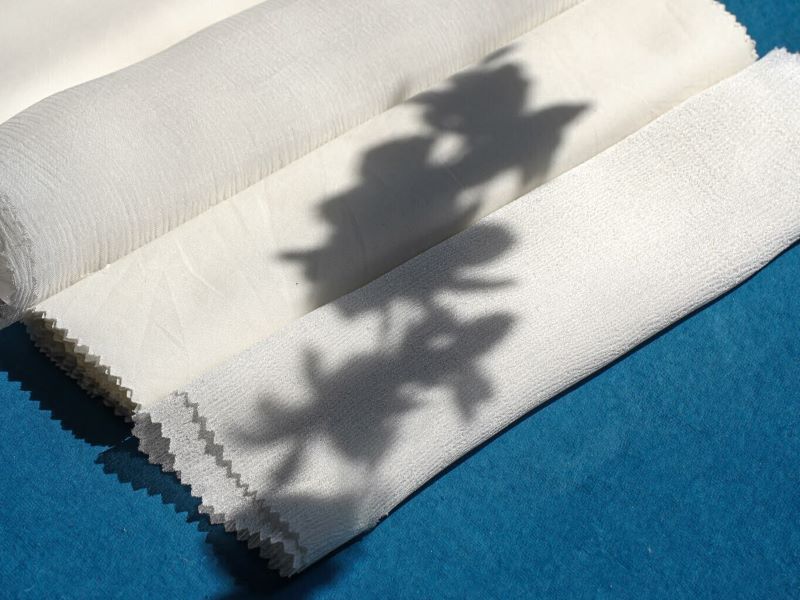
Once you have defined your brand and audience, the next step is sourcing your primary material. Cotton offers a unique combination of quality, versatility, and sustainability that makes it an excellent choice for building a brand identity.
- Quality: The quality of your cotton fabric directly reflects the quality of your brand. High-quality cotton, like Pima or Egyptian, offers superior softness and durability. This ensures your garments not only feel good but also last longer, building a reputation for reliable products. When you buy fabric online, look for suppliers that provide detailed specifications about thread count, weight, and origin.
- Versatility: Cotton is exceptionally adaptable. It can be woven into a wide range of textiles, from lightweight voile and poplin for summer dresses to heavy-duty denim and canvas for jackets and trousers. This versatility allows you to maintain a consistent material base across diverse collections and seasons. A reliable wholesale fabric supplier can provide various cotton weaves to fit your design needs.
- Sustainability: Consumers are increasingly demanding transparency and environmental responsibility from brands. Cotton, particularly when sourced organically or through programs like the Better Cotton Initiative (BCI), offers a strong sustainability narrative. Using responsibly sourced cotton fabric communicates a commitment to ethical practices, which can be a significant differentiator for your brand.
Designing Unique Styles with Cotton: Creativity and Innovation
With your cotton fabric selected, you can begin the design process. Cotton’s adaptability makes it a perfect canvas for creative expression. It holds dyes well, allowing for vibrant and custom color palettes that can become a signature of your brand. It is also suitable for a wide range of printing techniques, from traditional block printing to modern digital prints.
To create unique styles, consider how you can manipulate the fabric. Techniques like pleating, ruching, and embroidery can add texture and dimension to your designs. You can also blend cotton with other fibers to achieve specific properties. For example, a cotton-elastane blend offers stretch and comfort, ideal for form-fitting apparel.
The goal is to develop a consistent design language that is instantly recognizable. Whether it’s a specific silhouette, a unique color story, or a signature print, your designs should clearly communicate your brand’s identity.
Branding Elements: Logos, Colors, and Labels on Cotton
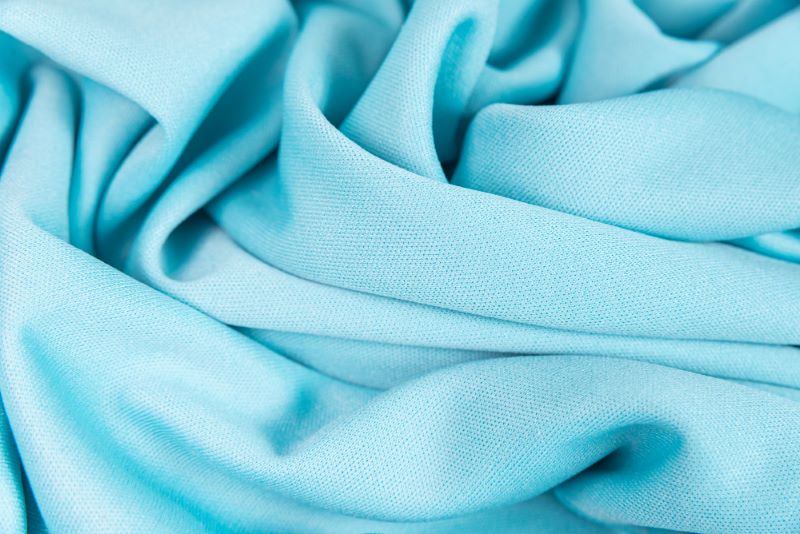
Your branding elements are the visual identifiers that customers will associate with your products. Applying these to your garments requires careful thought, especially when working with cotton fabric.
- Logos and Labels: Your logo is a critical asset. When applying it to cotton garments, choose a method that complements the fabric and your brand’s aesthetic. Woven labels offer a classic, high-quality feel, while printed, tagless labels provide a more modern and comfortable option. The placement and size of the label also contribute to the overall brand impression.
- Color Palette: A consistent color palette helps build brand recognition. Cotton’s excellent dye absorption makes it easy to create a custom palette that reflects your brand’s personality. Select a few core colors and supplement them with seasonal accent tones to keep your collections fresh yet consistent.
- Packaging and Hang Tags: Your branding extends beyond the garment itself. Hang tags, packaging, and other materials should all align with your brand identity. Use these elements to tell your story. For example, a hang tag made from recycled paper can reinforce a message of sustainability.
Marketing Your Brand: Storytelling and Social Media
Once your products are ready, you need to communicate your brand’s story to your target audience. Effective marketing is about more than just showcasing products; it’s about sharing the “why” behind your brand.
Storytelling is a powerful tool. Share the journey of your designs, from the initial concept to the selection of your cotton fabric. Highlight what makes your brand different. Do you work with local artisans? Is your cotton sourced from a specific region known for its quality? These details create an engaging narrative that resonates with customers.
Social media platforms like Instagram and Pinterest are ideal for visual storytelling. Use high-quality imagery and video to showcase your products in a real-world context. Behind-the-scenes content, such as a look into your design process or sourcing trips, can build a sense of community and transparency. Working with a dependable wholesale fabric supplier like Fabriclore can ensure a steady supply for your production, allowing you to focus on creating compelling content. Other suppliers like Sahni Fabrics or The Design Cart can also be options. When you buy fabric online, a reliable partner is essential for maintaining your production schedule and marketing timelines.
Building a Lasting Impression with Cotton
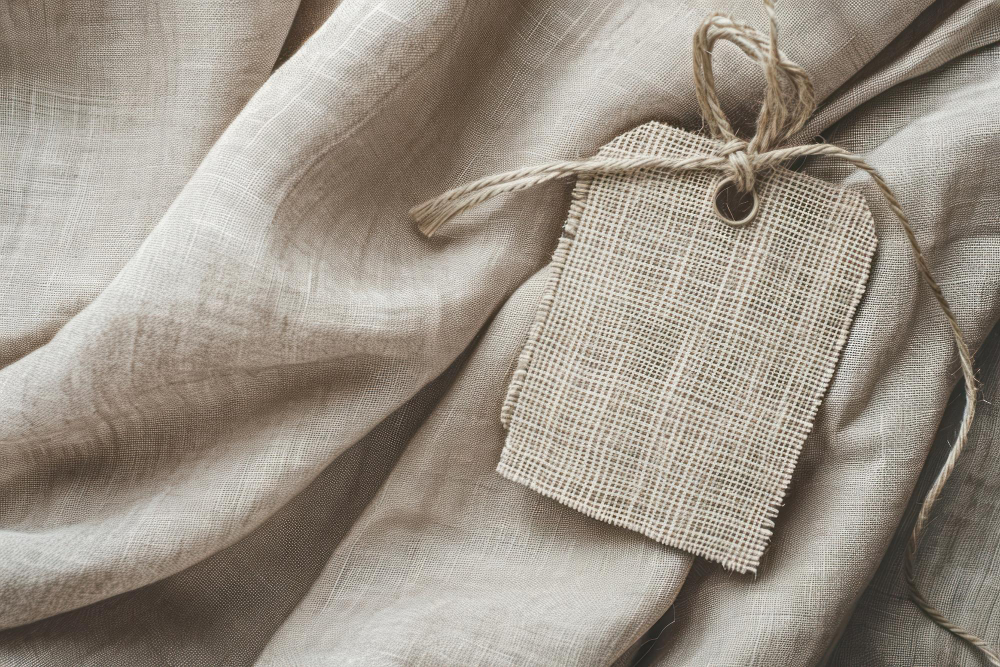
Building a strong fashion brand identity is a deliberate process. It requires a clear strategy and consistent execution across all touchpoints. By using cotton fabric as a foundational element, you can create a brand that is authentic, high-quality, and desirable.
From defining your audience and values to designing unique styles and marketing your story, every step contributes to the overall impression your brand makes. The inherent qualities of cotton fabric—its comfort, versatility, and potential for sustainability—provide a solid base upon which to build a lasting and recognizable brand. Start with a clear plan, make deliberate choices, and create products that truly represent your brand’s unique identity.


