 WhatsApp Us Now
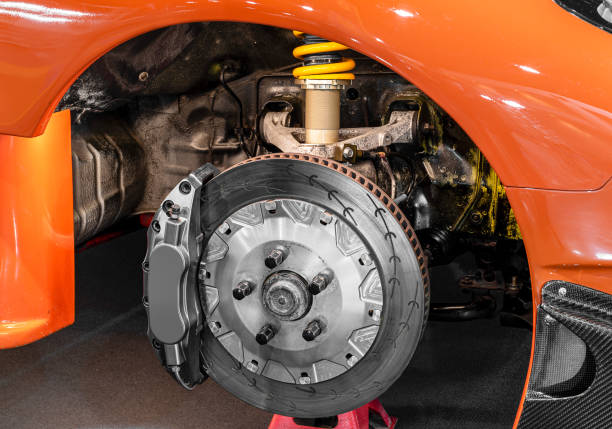
When it comes to the safety of your truck and everyone on the road, the braking system is the most vital component. Trucks carry heavy loads and operate under demanding conditions, meaning their brakes endure tremendous wear and tear. Regular Brakes Repair isn’t just about maintaining performance—it’s about ensuring safety, compliance, and control. For professional drivers and fleet operators who depend on reliability, Tri-County Diesel LLC delivers expert brake inspections and repairs that keep trucks running safely and efficiently.
The Importance of Brakes in Heavy-Duty Trucks
Your truck’s braking system is a complex network of components working together to slow or stop several tons of weight. When any part of that system fails, it can lead to dangerous situations, especially on highways or steep grades. Routine Brakes Repair ensures that brake pads, rotors, lines, and fluids all function as intended. A properly maintained system shortens stopping distances, prevents accidents, and keeps your truck compliant with safety regulations.
Signs Your Truck Needs Brakes Repair
Identifying early warning signs of brake wear can prevent costly damage and improve safety. Watch for:
- Grinding or squealing noises when braking
- Longer stopping distances
- Soft or spongy brake pedal feel
- Brake warning lights on the dashboard
- Vibrations or pulling to one side when stopping
- Leaking brake fluid under the truck
If any of these symptoms appear, professional Brakes Repair should be scheduled immediately. Ignoring them could lead to complete brake failure or expensive component replacements.
Common Causes of Brake System Wear
Truck brakes face intense stress daily, and multiple factors can accelerate wear and tear, including:
- Heavy loads or frequent towing
- Continuous stop-and-go driving
- Steep terrain routes
- Contaminated or old brake fluid
- Poor quality parts or irregular maintenance
Expert technicians from Tri-County Diesel LLC understand these conditions and use durable, high-quality components to restore your truck’s braking power and extend system life.
The Process of Professional Brakes Repair
A complete Brakes Repair service goes beyond simply replacing pads. It involves a thorough inspection and restoration of the entire system, including:
- Brake Pad and Rotor Check: Measuring thickness and wear patterns.
- Brake Line and Hose Inspection: Ensuring there are no leaks or corrosion.
- Fluid Testing and Replacement: Removing old, moisture-contaminated fluid and replacing it with fresh brake fluid.
- Caliper Cleaning and Lubrication: Preventing sticking or uneven wear.
- System Testing: Confirming brake balance, pressure, and response time meet factory standards.
These steps guarantee optimal braking performance and reliability, even under extreme loads.
Benefits of Regular Brakes Repair
1. Improved Safety
Properly functioning brakes protect drivers, cargo, and others on the road. Routine Brakes Repair ensures your truck stops effectively in all conditions.
2. Cost Savings
Addressing minor brake issues early prevents damage to expensive parts like rotors, calipers, and drums. Preventive maintenance always costs less than emergency repairs.
3. Regulatory Compliance
Commercial trucks must meet Department of Transportation (DOT) braking standards. Routine Brakes Repair helps you pass inspections and avoid fines.
4. Enhanced Performance
Well-maintained brakes contribute to smoother stops, reduced vibration, and better overall driving control.
5. Extended Component Life
Professional maintenance reduces wear on related systems like tires and suspension, maximizing your investment in the truck.
How to Recognize Brake Fluid Problems
Brake fluid plays a crucial role in applying hydraulic pressure. Over time, it absorbs moisture, which reduces effectiveness and increases corrosion. During Brakes Repair, technicians check fluid condition and boiling point. Dark or cloudy brake fluid indicates contamination and must be replaced. Ignoring this step can cause internal corrosion in brake lines and calipers, compromising safety.
Drum Brakes vs. Disc Brakes in Trucks
Many heavy-duty trucks still use drum brakes on rear axles because of their durability, while disc brakes are often found on front wheels for improved stopping power. Both systems require regular Brakes Repair to maintain balance and efficiency. Drum brakes are more complex to service but last longer under heavy loads, while disc brakes offer better heat dissipation and shorter stopping distances. A professional inspection determines which system needs attention and ensures both are synchronized for optimal braking force.
Why Choose Professional Technicians for Brakes Repair
Truck braking systems are intricate and require specialized knowledge. A professional Brakes Repair service ensures that repairs are done accurately using quality components and advanced diagnostic tools. Skilled mechanics can identify underlying issues, such as uneven wear or air in the hydraulic lines, that might go unnoticed in basic inspections.
Working with experienced experts like Tri-County Diesel LLC guarantees that your brake system meets or exceeds safety standards and manufacturer specifications. Their commitment to precision ensures reliability, safety, and long-term performance for your fleet or personal truck.
Preventive Tips for Maintaining Your Truck’s Brakes
Keeping your brakes in peak condition involves regular maintenance and good driving habits:
- Schedule Brakes Repair or inspections every 25,000–30,000 miles.
- Avoid excessive braking on downhill slopes; use engine braking when possible.
- Replace brake fluid every two years or as recommended by your technician.
- Have your tires aligned and balanced to reduce uneven brake wear.
- Listen for unusual noises or pedal feedback they often signal early issues.
These habits, combined with professional maintenance, will help you maximize the longevity and reliability of your braking system.
The Role of Brakes in Road Safety
The braking system is not just a mechanical component it’s a safety mechanism that saves lives. Trucks often carry thousands of pounds, and stopping that kind of momentum safely requires a perfectly functioning brake system. Proper Brakes Repair ensures that the braking response remains strong, predictable, and stable even in emergency situations. Regular maintenance also reduces the risk of accidents caused by brake fade or hydraulic failure, giving both drivers and fleet managers peace of mind.
Why Tri-County Diesel LLC Is the Trusted Name for Truck Brakes Repair
Truck drivers and fleet operators choose Tri-County Diesel LLC because of their dedication to excellence, speed, and reliability. Their technicians are trained to handle complex brake systems for all major truck brands, using cutting-edge diagnostics and top-quality parts. Whether it’s routine maintenance, rotor replacement, or full system restoration, they ensure every truck leaves with brakes performing at factory-level precision.
Conclusion
Your truck’s braking system is the foundation of its safety and control. Regular Brakes Repair isn’t optional it’s essential for preventing costly damage, avoiding downtime, and keeping everyone safe on the road. By trusting Tri-County Diesel LLC, you ensure that your truck receives professional, detail-oriented service designed to extend performance and reliability. Proper maintenance today means safer journeys tomorrow and greater confidence behind the wheel.
Frequently Asked Questions (FAQs)
1. How often should I schedule brake inspections for my truck?
Experts recommend having your brakes inspected every 25,000–30,000 miles or at least twice a year, depending on usage and load.
2. What’s the difference between brake service and brakes repair?
Brake service involves maintenance such as cleaning, adjusting, or replacing fluid, while Brakes Repair refers to fixing or replacing damaged parts.
3. Why do my brakes squeak even after replacement?
This can result from high humidity, minor rotor glazing, or the use of low-quality pads. A professional technician can resolve these issues.
4. Can I drive with a soft brake pedal?
No. A soft pedal indicates air in the brake lines or fluid leakage both of which are serious safety hazards requiring immediate Brakes Repair.
5. Do all trucks use the same type of brake system?
No. Trucks may have air brakes, hydraulic brakes, or a combination of both. Regular professional inspections ensure your specific system functions properly.


