 WhatsApp Us Now
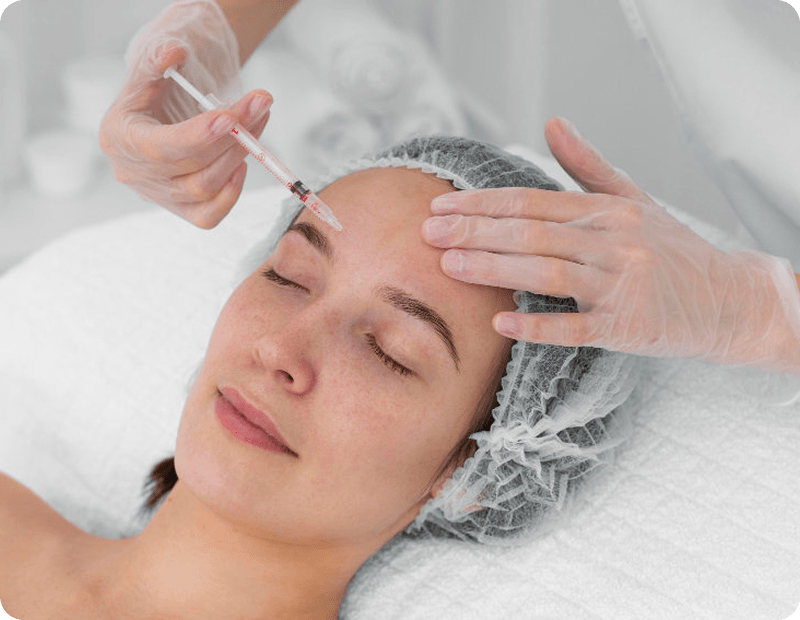
Peptide therapy is an innovative approach to enhancing overall health and wellness by utilizing specific amino acid chains called peptides. These peptides are designed to stimulate various biological processes within the body, promoting healing, improving function, and supporting longevity. As a popular choice among those seeking natural health solutions, Peptide Therapy in Abu Dhabi has gained recognition for its personalized and effective treatment plans. Understanding the timeline for results is essential for individuals considering this therapy, as it helps set realistic expectations and plan ongoing health strategies.
Understanding the Mechanism of Peptide Therapy
How Peptides Influence the Body
Peptides act as messengers that signal cells to perform specific functions, such as increasing collagen production, boosting immune response, or enhancing metabolic processes. The therapy involves introducing these peptides into the body through injections, oral supplements, or topical applications, depending on the targeted health goal. The body’s response to peptide therapy depends on various factors, including the type of peptides used, individual health status, and the specific health concerns addressed.
The Body’s Response Timeline
Generally, the body’s response to peptides can vary from person to person. Some individuals may experience noticeable improvements within a few weeks, while others might require several months to observe significant changes. The therapy’s effectiveness hinges on consistent administration and adherence to prescribed protocols. As peptides work synergistically with the body’s natural systems, patience and regular monitoring are vital to achieving optimal results.
Factors Influencing How Quickly Peptide Therapy Works
Individual Health and Metabolic Rate
One of the primary factors affecting the timeline is an individual’s overall health. A person with a balanced metabolic rate, good nutrition, and active lifestyle may experience quicker results compared to someone with underlying health issues or nutritional deficiencies. The body’s ability to absorb and utilize peptides efficiently plays a crucial role in the speed of therapeutic benefits.
Specific Health Goals
Different health goals may require varying durations before results become evident. For instance, improvements in skin elasticity or hair growth might be noticeable within a few weeks, whereas enhancements in muscle mass or joint health could take several months. Tailoring the therapy plan to align with specific objectives can help manage expectations regarding the timeline.
Consistency and Compliance
Adherence to the prescribed regimen significantly influences how soon benefits are experienced. Regular injections or supplement intake, as recommended by a healthcare professional, ensures that peptide levels remain optimal within the body. Inconsistent use can delay results or diminish the therapy’s overall effectiveness.
Typical Timeline for Peptide Therapy Results
Short-Term Expectations (First 4-8 Weeks)
During the initial weeks, individuals might start noticing subtle changes, such as increased energy levels, improved sleep quality, or enhanced mood. These early signs indicate that the peptides are beginning to influence biological pathways. Some users report better recovery from workouts and reduced inflammation, which can be encouraging signs of progress.
Medium-Term Outcomes (2-3 Months)
By the second or third month, more tangible improvements can become apparent. These may include visible enhancements in skin texture and elasticity, increased muscle tone, or better immune function. Consistent therapy during this period often results in more noticeable benefits, reinforcing the importance of adherence to the treatment plan.
Long-Term Benefits (Beyond 3 Months)
Significant and sustained health improvements are typically observed after three to six months of ongoing peptide therapy. These might encompass substantial anti-aging effects, improved hormone regulation, or recovery from chronic conditions. Long-term therapy can also contribute to overall vitality, resilience, and longevity, especially when combined with a holistic approach to health.
Optimizing Results with Peptide Therapy
Combining with Lifestyle Changes
To maximize the benefits of peptide therapy, integrating healthy lifestyle practices is highly recommended. Regular physical activity, balanced nutrition, adequate hydration, and stress management can all synergize with the therapy’s effects. These habits support cellular health and enhance the body’s responsiveness to peptides.
Regular Monitoring and Adjustments
Periodic assessments by healthcare professionals are essential to track progress and make necessary adjustments. Monitoring ensures that the therapy remains aligned with individual health goals and allows for modifications in peptide types, dosages, or administration frequency as needed.
Conclusion: Patience, Consistency, and Personalized Care
The timeline for experiencing the full benefits of Peptide Therapy varies but generally spans from a few weeks to several months. Patience and consistent adherence to the treatment plan are key factors in achieving desired health outcomes. With a personalized approach tailored to each individual’s needs, peptide therapy can be a powerful tool for enhancing vitality and longevity.
FAQs About Peptide Therapy
1. How long does it typically take to see noticeable results from peptide therapy?
Most individuals begin to notice subtle changes within 4 to 8 weeks, with more significant improvements often appearing around the 2 to 3-month mark, depending on the targeted health goals.
2. Can the effects of peptide therapy be accelerated?
While consistency is crucial, optimizing factors such as nutrition, exercise, and overall health can support faster results. However, patience is essential, as rapid results are uncommon and maintaining safety is paramount.
3. Is it necessary to continue therapy long-term to maintain results?
Many benefits of peptide therapy are sustained with ongoing treatment, especially for chronic conditions or anti-aging purposes. A healthcare professional can recommend an appropriate maintenance schedule based on individual needs.
4. Are there specific lifestyle changes that enhance the effectiveness of peptide therapy?
Yes, adopting a healthy diet, engaging in regular physical activity, managing stress, and ensuring adequate sleep can significantly enhance the therapy’s effectiveness and expedite results.



