 WhatsApp Us Now
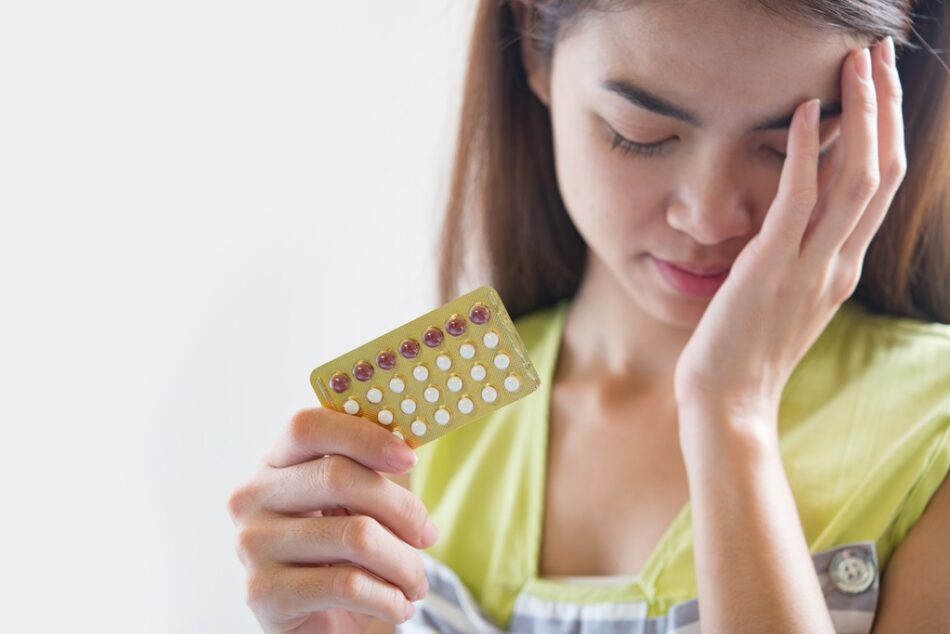
Choosing to start a contraceptive can feel like a significant decision. With a wide array of options on the market, it’s natural to feel a bit overwhelmed. How do you figure out which pregnancy prevention tablets are the right choice for your body and lifestyle? Understanding how these pills work, their benefits, and what to consider can empower you to have a confident conversation with your healthcare provider.
This guide will break down the science behind birth control pills, explore the different types available, and outline their non-contraceptive benefits. By the end, you’ll have a clearer understanding of your options, preparing you to find the perfect fit for your health needs.
How Pregnancy Prevention Tablets Stop a Pregnancy
Pregnancy prevention tablets, commonly known as birth control pills, are a type of hormonal contraception taken daily. They are highly effective, with a success rate of over 99% when used perfectly. However, typical use, which accounts for human error like a missed pill, lowers the effectiveness to around 93%.
These tablets primarily prevent pregnancy in three distinct ways:
- Preventing Ovulation: The hormones in the pills signal your body to stop releasing an egg from the ovaries each month. If there’s no egg to be fertilized, a pregnancy cannot begin.
- Thickening Cervical Mucus: The hormones also cause the mucus on your cervix to become thicker. This creates a barrier that makes it very difficult for sperm to swim through and reach the uterus.
- Thinning the Uterine Lining: Finally, the pills thin the lining of the uterus (the endometrium). In the rare event that an egg is released and fertilized, this thinner lining makes it much less likely for the fertilized egg to implant and develop.
The Two Main Types of Birth Control Pills
All birth control pills use synthetic hormones and fall into one of two main categories: combination pills or progestin-only pills. The key difference lies in the types of hormones they contain.
Combination Pills
Combination pills are the most commonly prescribed type of oral contraceptive. As their name implies, they contain a combination of two synthetic hormones: estrogen and progestin. Most packs come with 21 to 28 pills. In a 28-day pack, the last seven pills are usually placebo pills (sugar pills) that contain no active hormones. During this week, you will experience a withdrawal bleed, which is similar to a menstrual period.
Combination pills are categorized further based on their hormone dosage.
Monophasic Pills
In a monophasic pill pack, every active pill delivers the same dose of estrogen and progestin. This steady hormone level makes them a straightforward option, and some people find they experience fewer hormone-related side effects like mood fluctuations.
Multiphasic Pills
Multiphasic pills, which include biphasic and triphasic types, have hormone levels that change throughout the month. The dosage is adjusted every seven days or so to more closely mimic the body’s natural hormonal cycle. For some individuals, this can help reduce side effects.
Extended-Cycle Pills
These pills are formulated to reduce how often you get your period. An extended-cycle pack typically contains 84 active pills followed by seven placebo pills, meaning you’ll only have a period about four times a year. Some brands even offer continuous active pills that can eliminate periods for a full year.
Progestin-Only Pills (The “Minipill”)
Often called the “minipill,” progestin-only pills contain just one hormone—progestin—and no estrogen. They are an excellent alternative for individuals who should not take estrogen due to certain health risks. This includes people with a history of blood clots, uncontrolled high blood pressure, or those over 35 who smoke. They are also frequently recommended for people who are breastfeeding.
Unlike combination pills, every pill in a minipill pack is active; there are no placebo pills. As a result, you may find your periods become lighter, more irregular, or stop altogether. It is crucial to take the progestin-only pill at the exact same time every day. A delay of just three hours can reduce its effectiveness.
Deciding Which Pill is Right for You
Choosing the right pregnancy prevention tablet is a personal journey that should always involve a discussion with a healthcare provider. They can help you weigh the pros and cons based on your unique health profile.
Here are some of the key factors to consider with your doctor.
Your Health and Medical History
This is the most critical consideration for safety. Your doctor needs a full picture of your health to prescribe the right pill. Be prepared to discuss:
- Cardiovascular Health: A history of blood clots, stroke, heart problems, or uncontrolled high blood pressure often means combination pills are not a safe option due to the estrogen.
- Migraines: If you experience migraines with aura, your doctor will likely recommend a progestin-only pill, as estrogen can increase stroke risk in this group.
- Smoking: If you are over 35 and a smoker, combination pills are not recommended because of a significantly higher risk of heart attack and stroke.
- Other Conditions: Always inform your doctor about any history of breast cancer, liver disease, or diabetes.
Potential Side Effects
Hormonal birth control can cause side effects, particularly in the first few months as your body adjusts. Common side effects may include headaches, nausea, breast tenderness, mood changes, and spotting between periods. These often go away after two or three months. If they don’t, your doctor may suggest a different pill with a different hormone formulation.
Non-Contraceptive Benefits
Many people use pregnancy prevention tablets for reasons beyond just contraception. They can be an effective treatment for various health issues. If you experience any of the following, the pill might offer added benefits:
- Acne: Certain combination pills are FDA-approved to treat moderate acne.
- Painful or Heavy Periods: The pill can make your periods lighter, shorter, and less painful.
- Irregular Cycles: Hormonal pills can help regulate your menstrual cycle, making your periods more predictable.
- Endometriosis and PCOS: The pill is a common first-line treatment for managing the symptoms of these conditions.
- PMS and PMDD: By regulating hormones, the pill can help alleviate severe symptoms of premenstrual syndrome (PMS) and premenstrual dysphoric disorder (PMDD).
Your Lifestyle and Habits
Finally, think about your daily routine.
- Combination Pills: These offer more flexibility. If you miss a pill, you are often still protected as long as you take it as soon as you remember.
- Progestin-Only Pills: The minipill requires strict timing. If your schedule is unpredictable or you’re likely to forget, this may not be the most reliable option for you.
Your Path Forward
Navigating the world of birth control doesn’t have to be confusing. The best first step is to schedule an appointment with a healthcare provider, such as a gynecologist or a family doctor. They can evaluate your health, listen to your goals, and help you find a pill that aligns with your body and your life.
Remember that finding the right fit can sometimes take a little trial and error. Be patient with your body and keep an open line of communication with your doctor. The ultimate goal is to find a method that helps you feel safe, comfortable, and in control of your reproductive health.



