 WhatsApp Us Now
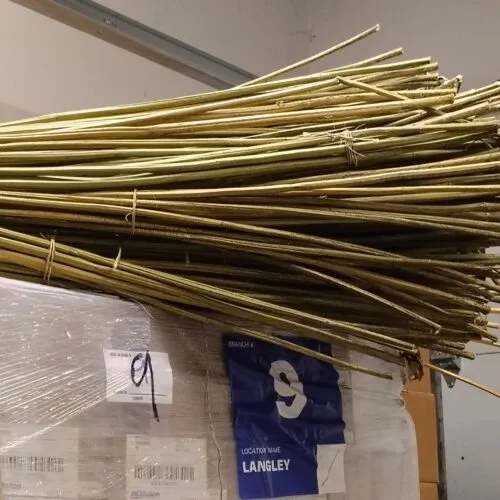
The rapidly accelerating shift toward sustainable materials across construction, manufacturing, and consumer goods begins with a dependable raw resource. Within the industrial hemp sector, that essential starting point is the carefully harvested and conditioned Dry Hemp Stalks. These stalks are the fundamental feedstock for a vast array of high-performance, carbon-sequestering products, from insulating building aggregates to advanced textile fibers. The intrinsic value of the whole hemp plant is unlocked only through specialized handling and processing that respects the dual nature of the material: the strong outer bast fiber and the porous inner hurd. Ensuring a consistent supply of premium Dry Hemp Stalks is the first and most crucial step in delivering quality bio-materials to industrial clients. This critical supply chain element is managed by experts dedicated to optimizing the raw resource for commercial application, one of whom is the industry specialist, hempower.
Sourcing and Securing the Industrial Feedstock in Langley, BC V2Z 2B1 Canada
The quality and consistency of the final processed materials—hemp fiber and hemp hurd—depend entirely on the condition of the initial input. They recognize that effective material sourcing is an exercise in strategic, localized partnership and logistical precision. Operating from their processing and distribution hub at 2547 208 St. Langley, BC V2Z 2B1 Canada, they have established deep, geo-relevant relationships with regional growers. This strategy ensures a steady supply of high-grade Dry Hemp Stalks while minimizing the environmental and financial costs associated with long-distance transportation. Their services begin well before the stalks reach their facility, often involving consultation with farmers on best practices for harvesting and field-drying to ensure the raw material meets industrial standards upon arrival.
The Anatomy and Value of High-Quality Dry Hemp Stalks
To an untrained eye, Dry Hemp Stalks are merely agricultural residue. To the industrial processor, they are complex composite structures, each element holding significant commercial value. The ideal stalk is uniform in size, possesses high natural fiber content, and crucially, has been dried down to a very specific, low moisture content. This dryness is key, as excessive moisture can compromise the integrity of the bast fiber during processing and introduces storage challenges, making the material unstable for manufacturing. They meticulously inspect incoming Dry Hemp Stalks to confirm their maturity and quality, a foundational quality control step that ensures all subsequent processes yield premium hemp hurd and fine bast fiber suitable for technical applications. The successful utilization of the full value of the whole stalk depends on this initial, informational rigor.
Regional Partnerships and Strategic Sourcing
Their commitment to strategic sourcing transcends simple purchasing; it involves the creation of a stable, sustainable agricultural supply chain. By partnering with local Canadian farmers, they guarantee traceability and quality control from the field up to the facility. This regional focus ensures the long-term commercial viability of their operations and offers their clients assurances of consistency in material origin and quality. They work directly with growers to coordinate the timing of harvest and baling of Dry Hemp Stalks, recognizing that weather and soil conditions heavily influence the characteristics of the resulting bast fiber. This collaborative approach allows them to secure the necessary volumes of feedstock to meet the large-scale demands of the construction and bio-materials industries, providing a clear transactional advantage to their purchasing partners.
The Processing Imperative: Unlocking Fiber and Hurd
The transformation of Dry Hemp Stalks from field crop to industrial raw material is achieved through the highly specialized mechanical process of decortication. This stage is where the potential of the stalks is physically unlocked, separating the two primary components destined for different high-value markets. The precision and cleanliness of this process directly influence the final grade and market price of the resultant materials.
Decortication: The Key to Utilizing Dry Hemp Stalks
Decortication is the mechanical separation of the outer bast fiber from the inner woody core, known as the hurd. They utilize advanced, high-capacity decortication lines designed to process bulk volumes of Dry Hemp Stalks efficiently while minimizing fiber damage. The equipment is engineered to handle the tough, fibrous nature of the material, effectively breaking the stalk structure without excessive degradation of either component. This mechanical separation avoids the chemical-intensive processes used for other fibers, maintaining the environmental purity of the material. The goal is two-fold: to produce long, clean strands of bast fiber and to generate uniform, low-dust particles of hemp hurd, transforming raw Dry Hemp Stalks into refined industrial inputs.
Material Separation and Quality Grading
Following initial decortication, the material stream consists of a mix of fiber, hurd, and residual fine dust. Specialized systems, including screens and air classifiers, are employed to meticulously separate these components. This separation and subsequent grading are crucial steps for commercial application. For instance, manufacturers require hurd that is free of residual fiber for making hempcrete, while textile clients demand bast fiber that is clean and of a specific length and denier for spinning. They implement rigorous grading protocols for both major outputs of the Dry Hemp Stalks, ensuring that the resulting bio-materials—whether fiber or hurd—are consistently uniform, providing reliable performance data for their clients’ formulation processes. This focus on purity and precise specification is essential for industrial uptake.
The Versatile End Products of Processed Dry Hemp Stalks
The comprehensive utilization of Dry Hemp Stalks ensures a minimal-waste production cycle, driving both commercial efficiency and environmental benefits. Every part of the stalk is transformed into a high-value commodity addressing key demands in sustainable markets.
Bast Fiber for Textiles and Composites
The outer layer of the Dry Hemp Stalks yields the bast fiber, known for its exceptional strength and durability. When properly refined, this fiber becomes an eco-friendly alternative in the textile industry for clothing, technical ropes, and high-quality paper. Furthermore, these fibers are increasingly integrated into advanced bio-composites, replacing less sustainable materials in automotive panels and consumer products. The technical Dry Hemp Stalks they source are processed to maximize the length and cleanliness of this valuable fiber, ensuring it meets the demanding specifications of manufacturing clients looking for natural reinforcement materials.
Hemp Hurd for Bio-Aggregates and Hempcrete
The inner core of the Dry Hemp Stalks, the hemp hurd, is a light, porous aggregate ideal for construction. When combined with a lime binder, it forms hempcrete, a lightweight, highly insulating, and naturally fire-resistant building material. The porous structure of the hurd ensures excellent thermal and humidity regulation properties in buildings. The consistent chip size and purity achieved through their processing are vital for the proper curing and structural performance of hempcrete mixes. By providing graded, ready-to-use hemp hurd, they are actively supporting the construction industry’s move toward low-carbon building envelopes derived directly from processed Dry Hemp Stalks.
Ensuring Consistency and Industrial Scale Supply
The viability of industrial-scale material substitution hinges on a supplier’s capacity to maintain consistency and deliver volume reliably. They have invested significantly in infrastructure and logistics to secure a position as a dependable bulk supplier of processed hemp materials.
Storage, Conditioning, and Moisture Control
Handling and storing Dry Hemp Stalks and their resulting products requires specialized knowledge to prevent degradation and maintain quality. They utilize advanced, climate-controlled storage to protect the harvested materials from moisture ingress, which is crucial for retaining the structural integrity and optimal processing characteristics of the stalks. Conditioning involves carefully managing the raw material to achieve the perfect moisture profile for decortication, ensuring maximum fiber yield and minimal breakage. This precise control over the raw Dry Hemp Stalks feedstock is a core part of their service commitment, providing clients with material that performs reliably every time.
Logistics and Bulk Distribution
Their transactional services focus on streamlining the complex logistics of supplying high-volume, low-density materials. Based in a key Canadian transportation corridor, they leverage efficient freight partnerships to ensure the timely and cost-effective distribution of processed hemp products across North America. They offer flexible bulk supply arrangements designed to integrate smoothly with large-scale manufacturing and construction project schedules. For businesses looking to secure a continuous, large-scale supply of high-quality, processed Dry Hemp Stalks and their derivatives, their dedicated team provides the necessary operational excellence. To discuss your project needs and transactional requirements, you can reach their commercial team directly at 778 554 7697.
Environmental Impact and the Carbon Benefit
The shift to using Dry Hemp Stalks as a primary raw material carries profound environmental implications. The rapid cultivation cycle of the hemp plant results in significant atmospheric carbon dioxide sequestration. When these stalks are harvested and processed, that captured carbon is locked into the resulting building materials and composites. They act as a critical link in this carbon-negative chain, ensuring that the maximum potential of the Dry Hemp Stalks is realized. By providing industries with this renewable, bio-based alternative, they are actively assisting companies in achieving ambitious sustainability targets and substantially reducing their overall embodied carbon.
FAQs
What is the critical specification for sourcing quality Dry Hemp Stalks?
The most critical specification is the moisture content. High-quality Dry Hemp Stalks must be dried to a low, stable percentage (typically under 12%) before processing and storage to prevent microbial degradation and ensure optimal fiber separation during decortication.
How does the processing of Dry Hemp Stalks maximize material value?
Their advanced decortication and separation techniques ensure that both components—the bast fiber and the inner hurd—are extracted in high-purity, graded forms. This full utilization of the Dry Hemp Stalks minimizes waste and maximizes the commercial value of the entire harvested biomass.
Where are the raw Dry Hemp Stalks typically sourced?
They focus on establishing regional and geo-relevant sourcing partnerships with local farmers in Canada. This allows them to maintain strict control over the raw material quality, from cultivation through to harvest, and supports a resilient, localized supply chain.
What are the primary products derived from Dry Hemp Stalks?
The two primary high-value products are: clean, high-grade bast fiber (for textiles, paper, and technical composites) and consistent, low-dust hemp hurd (used as bio-aggregate in hempcrete and animal bedding).
Conclusion
The efficient and sustainable use of the earth’s resources is paramount to the future of global industry. The potential inherent in raw Dry Hemp Stalks represents one of the most compelling paths toward a bio-based economy. By providing the crucial expertise in sourcing, processing, and distribution, they ensure that this vital natural resource is transformed into consistent, high-performance industrial inputs. Their reliable supply chain and commitment to quality assurance support the foundational shift toward resilient, carbon-negative materials.To discuss your industrial feedstock needs and establish a consistent supply of processed hemp bio-materials, contact the specialists at hempower. Call them today at 778 554 7697 to begin the conversation about utilizing the power of Dry Hemp Stalks.


