 WhatsApp Us Now
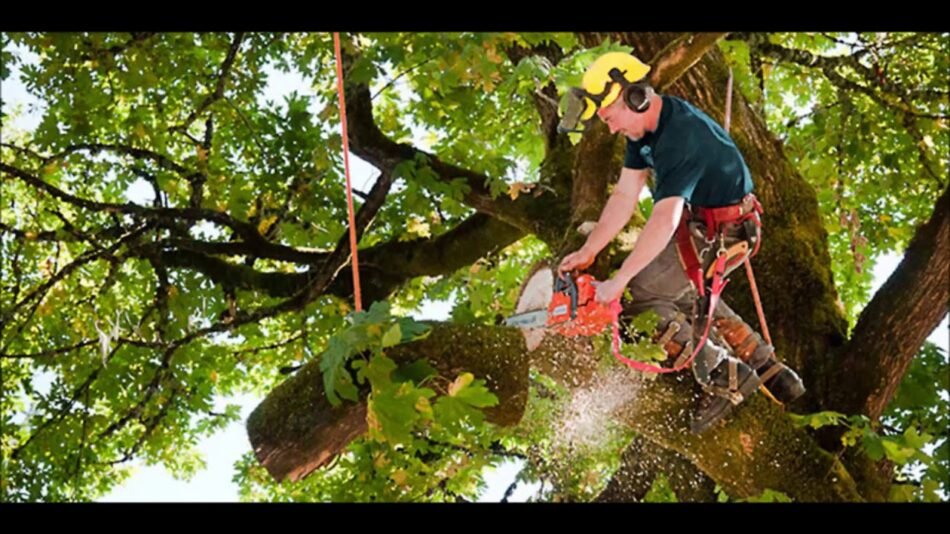
Landscaping is no longer just about curb appeal; it’s about creating outdoor environments that balance beauty, functionality, and environmental responsibility. Healthy trees are at the heart of this equation. When properly maintained, they offer shade, improve air quality, provide habitats for wildlife, and reduce soil erosion. However, without professional care, trees can also become safety hazards or sources of waste. That’s where tree service plays an indispensable role.
Professional providers, such as Cutting Edge Tree Services, emphasize the importance of balancing safety, aesthetics, and sustainability. Their approach demonstrates that sustainable landscaping isn’t simply about planting trees; it’s about ensuring they thrive and contribute positively to the ecosystem over time.
The Connection Between Tree Care and Sustainability
Sustainability in landscaping refers to managing green spaces in a manner that conserves resources, protects ecosystems, and promotes long-term health. Trees are central to this vision. They absorb carbon dioxide, produce oxygen, regulate temperature, and provide essential habitats.
However, sustainability also requires balance. Overgrown trees can damage infrastructure, while diseased or invasive species can threaten biodiversity. Professional tree services ensure that the right practices—pruning, trimming, removal, and planting are carried out to optimize benefits while minimizing environmental risks.
Promoting Tree Health Through Expert Care
Trees, like all living organisms, need care to stay strong and disease-free. Poor maintenance can lead to decay, pest infestations, or structural instability. By employing certified arborists, property owners gain access to expertise that ensures proper growth management.
Regular pruning allows trees to develop strong structures, improves airflow, and reduces the likelihood of broken branches during storms. It also helps prevent overcrowding, ensuring that each plant in the landscape has enough resources to thrive. This type of preventive care is a cornerstone of sustainable landscaping.
Reducing Green Waste and Encouraging Recycling
One overlooked benefit of professional services is the responsible management of organic waste. When branches, stumps, or leaves are removed, they don’t have to end up in landfills. Many companies repurpose tree waste into mulch, compost, or biofuel.
This recycling process contributes to a circular economy in landscaping. Instead of creating waste, removed materials are given new life, enriching soil health and reducing reliance on chemical fertilizers. In this way, tree service directly supports both sustainability and resource conservation.
Supporting Biodiversity in Landscaped Areas
Sustainable landscapes are about more than visual appeal; they’re ecosystems. Trees provide nesting areas for birds, shelter for small mammals, and food sources for pollinators. Maintaining these trees with expert oversight helps preserve these ecosystems.
By removing invasive species and planting native varieties, professional services ensure that local wildlife has the resources it needs to survive. For example, replacing a diseased tree with a native oak can provide decades of ecological benefits, from shade to acorns that support local animal populations.
Water Conservation and Soil Protection
Healthy trees play a significant role in water management. Their roots stabilize soil, reducing erosion during heavy rains. Canopies intercept rainfall, slowing its descent and minimizing runoff. This natural water management reduces the need for artificial systems, conserving valuable resources.
Professional maintenance also includes practices such as mulching, which retains soil moisture and prevents excessive evaporation. In arid regions, sustainable landscaping supported by tree service is particularly vital for balancing greenery with water conservation efforts.
Energy Efficiency and Climate Benefits
Strategically placed trees provide shade in summer and act as windbreaks in winter. This natural climate control reduces the demand for artificial heating and cooling, lowering energy consumption and utility costs.
By keeping these trees healthy and structurally sound, professional services maximize their benefits as long-term investments in both property value and environmental resilience. A sustainable landscape that integrates well-maintained trees directly contributes to reducing carbon footprints.
Safe Removal When Necessary
Sustainability does not mean preserving every tree at all costs. Sometimes, removal is necessary to protect surrounding vegetation, structures, or human safety. Dead or severely diseased trees, if left unaddressed, can spread problems to healthy ones or cause property damage during storms.
By removing trees safely and replacing them with healthier, native species, professionals ensure landscapes remain resilient and productive. This balance between preservation and renewal underscores why sustainable landscaping requires ongoing expert care.
Educating Property Owners on Best Practices
Another often-overlooked role of professionals is education. Homeowners and businesses may not always understand the complexities of tree biology, disease prevention, or the impact of poor care. Experienced providers guide clients in making informed decisions, such as selecting drought-resistant species, spacing trees properly, or using organic treatments.
This knowledge-sharing element of tree service builds trust and empowers property owners to participate actively in sustainable landscaping efforts.
Community Benefits of Sustainable Tree Care
Beyond individual properties, the collective impact of professional maintenance supports entire neighborhoods. Cleaner air, lower temperatures, and safer streets are community-wide benefits. Cities that prioritize responsible care create healthier urban environments, attract residents, and strengthen civic pride.
By working with experts, municipalities can implement large-scale initiatives such as urban canopy programs, which align with climate action goals and long-term environmental stewardship.
Economic Advantages of Sustainable Landscaping
Sustainability is often viewed through an environmental lens, but it also carries strong economic benefits. Properties with healthy, well-maintained trees have higher curb appeal and market value. Reduced energy costs and minimized storm damage risks translate into long-term savings.
Businesses that invest in eco-friendly landscaping also boost their reputation. Today’s consumers value sustainability, and companies that demonstrate environmental responsibility through visible practices like professional landscaping build stronger customer trust.
Conclusion
The role of professional care extends far beyond trimming branches or removing stumps. It is a cornerstone of sustainable landscaping practices, balancing aesthetics, safety, and environmental responsibility. From conserving water and protecting soil to recycling organic waste and supporting biodiversity, the benefits are vast and long-lasting.
By working with trusted providers, property owners contribute not only to their own landscapes but also to healthier communities and ecosystems. Companies like Cutting Edge Tree Services showcase how professional expertise ensures that trees fulfill their potential as valuable, sustainable assets.
FAQs
1. Why is professional tree care important for sustainability?
It ensures trees remain healthy, safe, and beneficial to the ecosystem while minimizing waste and conserving natural resources.
2. How does tree maintenance help the environment?
Proper pruning, waste recycling, and replanting reduce pollution, protect wildlife habitats, and improve air and soil quality.
3. Can tree removal still support sustainability?
Yes. Removing dead or diseased trees prevents hazards and creates opportunities to plant healthier, native species.
4. How does tree care save money for property owners?
It reduces long-term costs by preventing damage, lowering energy bills, and increasing property value through sustainable practices.
5. What role do tree services play in community health?
They improve urban air quality, reduce heat islands, and enhance green spaces, benefiting residents’ overall well-being.


