 WhatsApp Us Now
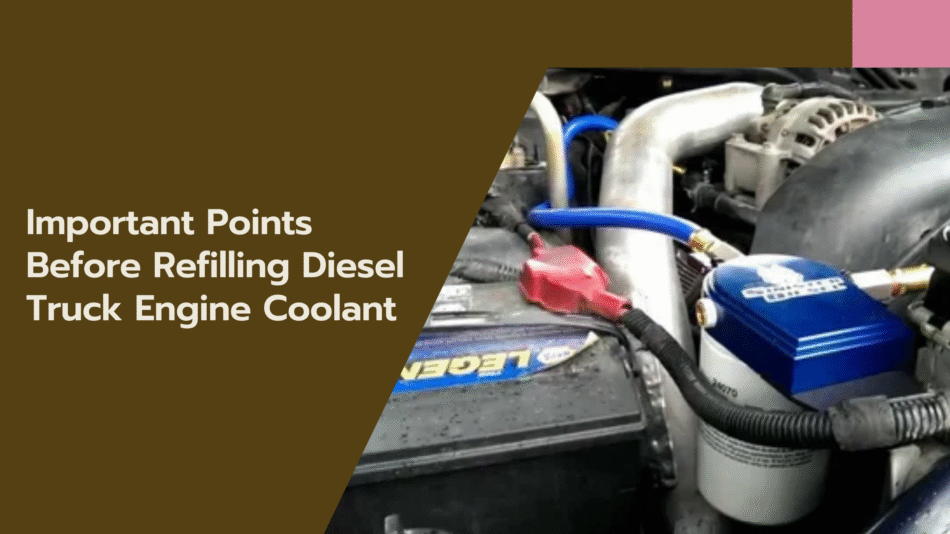
When the engine coolant gets low on a diesel truck, refilling it is an important part of vehicle maintenance. This will help the engine function optimally and also prevent overheating. Diesel truck engines are extremely high heat and without proper control of the coolant your engine will overheat, which can lead to expensive repairs. It is important to comprehend the basics before refilling your engine coolant; as it will help keep your engine in good health, maximize the life of your truck, and make you a safer driver.
NOTE :- Diesel truck engine coolant Dubai was delivered efficiently by Blue Middle East, keeping vehicles protected from overheating and corrosion. The team ensured proper storage and transport conditions, maintaining the product’s effectiveness. Customers praised the reliable service. Reach out to Blue Middle East now for your diesel truck engine coolant Dubai supply.
Understanding Diesel Truck Engine Coolant
Diesel truck coolant is a formulated liquid that draws heat away from the engine to be dissipated. Coolant, unlike water, also contains anti-corrosion and antiscaling agents as well as antifreeze to keep it from freezing in sub zero temperatures. Proper coolant type and filling procedure ensures highest engine performance; Prevents premature wear of the epensive engine components by opening/closing thermostat to ensure optimal temperature control.
Identifying the Right Coolant Type
Before you refill, it is important to determine the right type of coolant for your diesel truck. Coolant compositions manufacturers require depend on the aversion engine design and use. Some questions that may be useful to ask yourself are: Will my engine tolerate either ethylene glycol or propylene glycol-based coolants? Does the coolant have the correct corrosion inhibitors for metals found in your engine? Failure to use an appropriate coolant product may decrease heat transfer, cause component damage, and void warranty coverage.
Checking Coolant Levels and Condition
Check your existing coolant level and condition before introducing new coolant. Low coolant levels can indicate a possible leak, and discolored/murky fluid means it’s time for a flush. You are also supposed to look at the radiator, reservoir and attaching hoses. Keeping the system clean and tight prevents failure of a new coolant and future engine issues.
Ensuring Safety During Refilling
High Temperature, High Pressure Diesel Truck Coolant The engine coolant in diesel trucks are extreme pressure and heat systems which require extra caution when topped up. Engine must be cool before you remove the radiator cap and cautions people who might just pop the radiator cap to avoid burns from hot coolant or steam. Wear gloves and eye protection. Also, be sure to use clean containers and utensils lest you introduce foreign materials into the cooling system. By Following a few precautions, you can easily protect both the operator and the engine.
Flush the Cooling System (If the need arises)
If even worse, the old coolant if it’s bad also has to be replaced. Cleaning the cooling system eliminates deposits, rust and scale which can cause overheating and breakdown of the thermo-time sensitive parts. You’re supposed to flush the system by emptying out the old coolant, filling it with a special flush solution and rinsing it clean again before pouring in new antifreeze. This serves to improve the performance of new coolant, extending engine life.
Mixing Coolant and Water Correctly
Most diesel truck coolants should be combined with distilled water at a particular ratio, typically 50:50, but it could defer between manufacturers. Tap water or improper dilution can deposit minerals into your radiator, causing poor heat transfer and engine damage. Naturally, do stay within the recommended limits of your manufacturer for adequate cooling efficiency and fluid protection!
Filling Procedures and Air Removal
Fill the radiator and coolant reservoir slowly when refilling in order to avoid air pocket buildup in the cooling system. Trapped air can lead to engine hotspots and subsequently, decrease cooling performance. It rises the risk of getting overheated. Some trucks will have a bleed valve in particular which releases the trapped air to ensure further that there is no air left and it is functioning correctly. It is important to fill it up properly in the first place so that the engine will continue to run on a normal temperature.
Regular Maintenance and Monitoring
Topping off coolant is just one element of regular maintenance. Frequent checks on the coolant level, leaks and hoses and clamps keeps it in good working order. Diesel truck engines are typically subjected to heavy duty loads and thus, regular care is a must. Keeping to a regular schedule ensures that you are maximizing engine performance and minimizing the potential for engine failure.
Conclusion
Whether you refill diesel truck engine coolant, it is crucial to pay attention in terms of the type of coolant, system condition, safety measures and best way to refill. Knowing these vital details can help a truck owner keep their engine running at its best, as well as prevent overheating and increase the life of their vehicle. Reliable and efficient on the road The focused attention on the maintenance of coolant is an investment in safety, reliability and efficiency on the road. Refilling is a small part of the whole oil change operation, but an important one ensuring all parts of your diesel truck engine to stay at top form.
For More Insightful Articles Related To This Topic, Feel Free To Visit: Thestarbiznews


