 WhatsApp Us Now
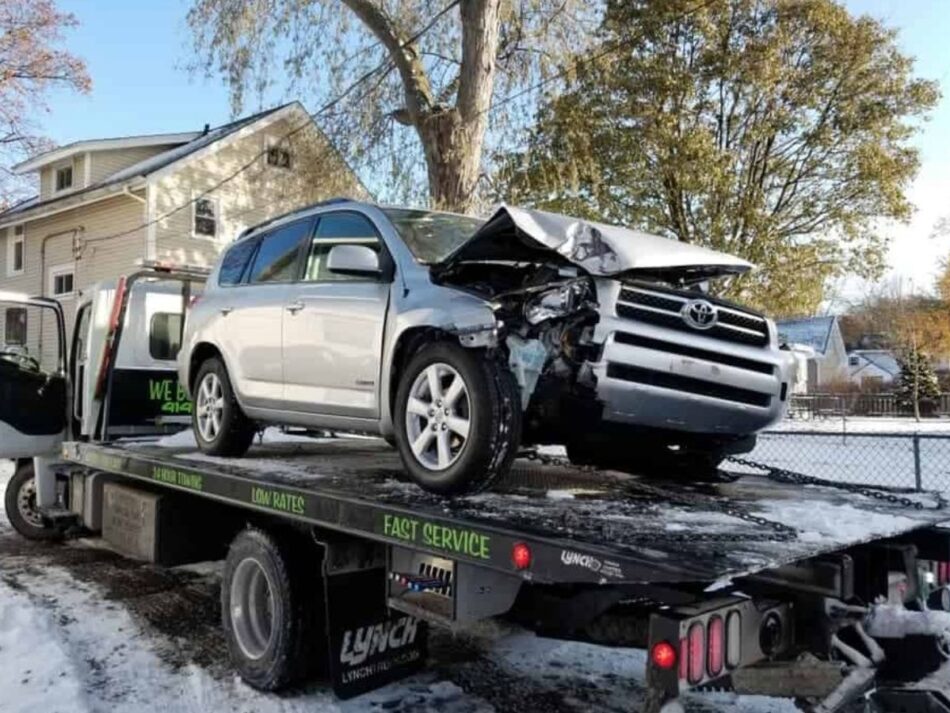
Brisbane’s automotive landscape is shifting dramatically. With over 2.6 million registered vehicles in Queensland as of 2024, the need for efficient vehicle disposal solutions has never been more pressing. Whether your trusty old ute has finally given up the ghost or your family sedan is taking up valuable space in your garage, understanding the ins and outs of car removal Brisbane services can save you time, money, and considerable hassle.
The car removal industry in Brisbane has evolved significantly over the past decade. What once involved lengthy negotiations with scrapyard dealers and tedious paperwork has transformed into a streamlined process that can often be completed within hours. This transformation reflects broader changes in consumer expectations and environmental consciousness across Australia.
Understanding Brisbane’s Car Removal Landscape
The Queensland capital’s car removal sector operates within a robust framework designed to protect both consumers and the environment. Recent data from the Australian Bureau of Statistics indicates that approximately 680,000 vehicles reach end-of-life status annually across Australia, with Queensland accounting for roughly 20% of this figure.
Brisbane’s geography plays a crucial role in shaping removal services. The city’s sprawling suburban layout, combined with its subtropical climate that can accelerate vehicle deterioration, creates unique challenges for car owners. Many residents find themselves dealing with vehicles that are no longer roadworthy but still contain valuable materials.
The economic factors driving this industry are multifaceted. Rising metal prices, particularly for steel and aluminium, have made car recycling increasingly profitable. Copper wiring, catalytic converters, and electronic components can add significant value to what might appear to be worthless scrap. This economic reality has enabled many companies to offer competitive prices while maintaining rapid service delivery.
The Regulatory Environment
Queensland’s environmental regulations have shaped how car removal services operate. The state’s Waste Reduction and Recycling Act 2011 mandates specific procedures for vehicle disposal, ensuring that hazardous materials like battery acid, engine oils, and refrigerants are handled appropriately. This regulatory framework has professionalised the industry, eliminating many of the dodgy operators that once plagued the sector.
Licensed operators must maintain detailed records of vehicle acquisitions and demonstrate proper disposal methods. This transparency benefits consumers by ensuring legitimate transactions and proper environmental stewardship. The Queensland Government’s commitment to achieving zero net emissions by 2050 has further incentivised proper vehicle recycling practices.
The Mechanics of Same-Day Pickup Services
Same-day collection represents the gold standard in modern car removal services. The logistics behind this capability involve sophisticated scheduling systems, strategically positioned collection teams, and partnerships with processing facilities across the greater Brisbane region.
Most reputable services maintain fleets of tow trucks and transport vehicles positioned throughout key suburbs. Areas like Logan, Ipswich, and the Sunshine Coast are typically serviced by dedicated teams, while inner Brisbane locations often receive priority scheduling due to higher population density and easier access.
The technological infrastructure supporting these operations has become increasingly sophisticated. GPS tracking systems allow dispatchers to optimise routes and provide accurate arrival estimates. Mobile assessment tools enable operators to provide instant quotes based on vehicle photos and basic information provided by customers.
Quality Control and Assessment Procedures
Professional car removal services employ experienced assessors who can quickly evaluate vehicle worth. These specialists consider factors beyond obvious scrap value, including the condition of tyres, the functionality of electronic systems, and the presence of valuable components like GPS units or premium audio systems.
The assessment process typically begins with a phone consultation where customers provide basic vehicle information including make, model, year, and current condition. Advanced services utilise digital platforms that allow customers to upload photographs, enabling more accurate preliminary assessments.
Upon arrival, assessors conduct thorough inspections that usually take 15-30 minutes. They examine engine components, body condition, interior features, and documentation status. This comprehensive approach ensures fair pricing and prevents disputes during the collection process.
Financial Considerations and Market Dynamics
The cash-for-cars model has revolutionised how Brisbane residents dispose of unwanted vehicles. Unlike traditional selling methods that might take weeks or months, professional removal services provide immediate financial returns, albeit typically at lower absolute values than private sales.
Market rates fluctuate based on several factors including global commodity prices, seasonal demand variations, and local supply conditions. Steel prices, which form the backbone of most vehicle valuations, have shown considerable volatility over recent years. During 2023, prices ranged from $400 to $650 per tonne, directly impacting the offers made to vehicle owners.
The premium paid for vehicles in running condition reflects the additional value that can be extracted through parts sales rather than pure scrap processing. A working engine might fetch $500-1500 separately, while the same unit destined for scrap might only contribute $50-100 to the vehicle’s total value.
Understanding Valuation Methods
Top cash for cars Brisbane services employ standardised valuation matrices that consider vehicle age, condition, make, and current market demand. European luxury vehicles often command higher prices due to the value of their components in the second-hand parts market. Conversely, older domestic models might be valued primarily on scrap weight.
The presence of valuable metals significantly impacts valuations. Catalytic converters contain platinum, palladium, and rhodium, making them particularly valuable. Hybrid vehicles often command premiums due to their battery systems and specialized components.
Documentation plays a crucial role in valuation. Vehicles with clear titles and complete service histories typically receive higher offers. Conversely, vehicles with outstanding finance or questionable ownership documentation may be declined entirely, as reputable services must verify legal ownership before proceeding.
Environmental Impact and Sustainability Practices
Brisbane’s car removal industry plays a vital role in environmental protection through proper vehicle recycling and disposal practices. The automotive recycling process can recover up to 85% of a vehicle’s materials, significantly reducing the environmental impact compared to traditional disposal methods.
Modern recycling facilities separate materials into distinct categories including ferrous metals, non-ferrous metals, plastics, glass, and textiles. Each category follows specific processing pathways designed to maximise recovery rates and minimise environmental impact. Steel recovered from vehicles can be recycled indefinitely without quality degradation, making it particularly valuable from a sustainability perspective.
The proper handling of hazardous materials represents a critical environmental consideration. Vehicle batteries contain lead and acid that can contaminate soil and water supplies if not properly managed. Air conditioning systems contain refrigerants that contribute to ozone depletion if released into the atmosphere. Professional removal services invest in specialised equipment and training to ensure these materials are safely extracted and processed.
Innovation in Recycling Technologies
Brisbane’s leading car removal companies are increasingly adopting advanced technologies to improve recycling efficiency. Automated dismantling systems can separate materials more precisely than manual methods, increasing recovery rates and reducing processing costs.
Some facilities now employ artificial intelligence systems to optimise dismantling procedures and identify valuable components that might otherwise be overlooked. These technological advances translate into better prices for consumers and improved environmental outcomes.
The development of closed-loop recycling systems represents the industry’s future direction. These systems aim to process end-of-life vehicles into materials suitable for new vehicle production, creating truly circular manufacturing processes.
Service Quality and Customer Experience Standards
The customer experience provided by professional car removal services has improved dramatically over recent years. Leading operators have recognised that superior service quality creates competitive advantages and builds sustainable business models.
Response times represent a crucial quality metric. The best services can typically schedule collections within 4-6 hours of initial contact, with some offering collection slots within 2-3 hours for urgent situations. This responsiveness requires sophisticated logistics coordination and adequate staffing levels.
Communication standards have also evolved significantly. Professional services maintain regular contact throughout the collection process, providing updates on arrival times and any potential delays. Many now offer SMS tracking systems that mirror the convenience found in other service industries.
Training and Professionalism Standards
Reputable car removal companies invest heavily in staff training programs that cover technical assessment skills, customer service protocols, and safety procedures. Collection teams undergo comprehensive training on vehicle handling techniques, paperwork completion, and problem resolution.
Professional appearance and conduct reflect broader service quality commitments. Leading services equip their teams with branded uniforms and maintain well-presented collection vehicles. These visible quality indicators help customers identify legitimate operators and avoid potentially problematic services.
Insurance coverage represents another important quality indicator. Professional services maintain comprehensive liability insurance that protects both their operations and customer interests. This coverage provides peace of mind and demonstrates the operator’s commitment to professional standards.
Geographic Coverage and Accessibility
Brisbane’s sprawling metropolitan area presents unique challenges for service delivery. The city spans over 15,000 square kilometres, encompassing diverse urban, suburban, and semi-rural areas. Professional car removal services have adapted their operations to serve this expansive geography effectively.
Inner Brisbane suburbs typically enjoy the most comprehensive service options, with multiple operators competing for business. Areas like South Brisbane, New Farm, and Fortitude Valley can often access same-day services with minimal notice. The higher property values and population density in these areas support premium service offerings.
Outer suburbs and satellite cities like Ipswich, Logan, and Caboolture may experience slightly longer wait times but still receive excellent service coverage. Many operators maintain dedicated teams for these regions, ensuring consistent service availability despite the greater distances involved.
Rural and Remote Area Considerations
Semi-rural areas around Brisbane present particular challenges for car removal services. Properties with difficult access, limited mobile phone coverage, and greater distances between jobs can complicate service delivery. However, many professional operators have developed specialised procedures for these situations.
Some services maintain relationships with local towing operators in remote areas, enabling them to extend their effective coverage radius. Others schedule rural collections on specific days when they can efficiently service multiple properties in the same region.
The pricing structure for remote area collections may include additional charges to cover increased travel time and fuel costs. However, competitive pressure has kept these premiums relatively modest, typically ranging from $50-100 for locations within 100 kilometres of Brisbane’s centre.
Technology Integration and Digital Platforms
The digitisation of car removal services has transformed customer interactions and operational efficiency. Modern operators leverage technology at every stage of the process, from initial customer contact through final payment processing.
Online quote systems allow customers to receive preliminary valuations without telephone conversations. These platforms typically request basic vehicle information and can provide instant estimate ranges based on current market conditions. More sophisticated systems incorporate photograph analysis to refine quote accuracy.
Mobile applications have begun appearing in the Brisbane market, offering customers greater convenience and control over the removal process. These apps can facilitate quote requests, schedule collections, track vehicle pickup status, and process payments. The adoption of such technology reflects the industry’s evolution toward greater customer-centricity.
Payment Processing and Financial Security
Digital payment systems have largely replaced cash transactions in the professional car removal sector. Electronic funds transfer provides security benefits for both parties and creates clear transaction records. Most services can process payments within hours of vehicle collection, with funds typically available in customer accounts within 24 hours.
Blockchain technology is beginning to emerge in vehicle tracking and ownership verification systems. While still in early adoption phases, these technologies promise to further streamline transaction processes and enhance security measures.
The integration of digital documentation systems has eliminated much of the paperwork traditionally associated with vehicle disposal. Electronic signatures, digital title transfers, and automated regulatory reporting have significantly reduced administrative burdens for both operators and customers.
Future Trends and Industry Evolution
Brisbane’s car removal industry continues evolving in response to technological advances, regulatory changes, and shifting consumer expectations. Several key trends are shaping the sector’s future direction and creating new opportunities for both operators and customers.
The transition toward electric vehicles presents both challenges and opportunities for the industry. Electric vehicle batteries contain valuable materials including lithium, cobalt, and rare earth elements that command premium prices. However, the specialised knowledge and equipment required for safe battery handling may consolidate the industry around operators with appropriate capabilities.
Autonomous vehicle technology may eventually transform collection procedures. Self-driving collection vehicles could reduce labour costs and improve scheduling flexibility, potentially enabling 24-hour service availability. However, such developments remain several years away from practical implementation.
Regulatory Changes and Industry Standards
The Queensland Government’s commitment to environmental sustainability continues driving regulatory evolution. Proposed changes to waste management regulations may require enhanced reporting and impose stricter environmental standards. While these changes may increase compliance costs, they also create competitive advantages for operators who proactively adopt best practices.
National vehicle identification and tracking systems are under development, potentially creating standardised procedures across Australian states. Such systems could reduce fraud and improve transaction security while simplifying interstate vehicle movements.
The integration of carbon credit systems may eventually provide additional revenue streams for environmentally responsible operators. Companies demonstrating superior recycling rates and environmental stewardship could monetise these achievements through carbon trading markets.
Choosing the Right Service Provider
Selecting an appropriate car removal service requires careful consideration of multiple factors beyond simple price comparisons. The most expensive option isn’t necessarily the best value, while the cheapest may involve hidden costs or service compromises.
Licensing and insurance verification should be the starting point for any selection process. Legitimate operators readily provide proof of appropriate licensing and insurance coverage. Requests for such documentation can help identify potentially problematic services.
Customer reviews and testimonials provide valuable insights into service quality and reliability. However, it’s important to consider the source and age of reviews, as service quality can change over time. Recent reviews from verified customers carry more weight than older or potentially fabricated testimonials.
Red Flags and Warning Signs
Several warning signs can indicate potentially problematic service providers. Operators who demand upfront payments, refuse to provide written quotes, or cannot produce appropriate licensing documentation should be avoided. Similarly, services offering prices significantly above market rates may be attempting to exploit customer desperation or lack of knowledge.
High-pressure sales tactics represent another concerning indicator. Legitimate services typically provide reasonable time for decision-making and don’t pressure customers into immediate commitments. Operators who insist on immediate decisions or threaten to withdraw offers may not have customers’ best interests in mind.
Inadequate insurance coverage can expose customers to significant liabilities. Services that cannot demonstrate comprehensive coverage for property damage, personal injury, and theft should be avoided regardless of other attractive features.
Maximising Value from Your Vehicle Disposal
Strategic approaches to vehicle disposal can significantly impact the financial return achieved. Understanding market conditions, timing considerations, and value-optimisation techniques can help Brisbane residents maximise their outcomes.
Timing plays a crucial role in achieving optimal prices. Metal prices fluctuate based on global economic conditions, with certain periods offering more favourable rates. Monitoring commodity markets or consulting with multiple services can help identify optimal timing windows.
Vehicle preparation can also impact valuations. Removing personal items, gathering maintenance records, and ensuring clear title documentation can streamline the process and potentially improve offers. However, it’s important not to invest significant money in repairs unless the return is clearly justified.
The decision between removal services and alternative disposal methods requires careful analysis. Private sales typically yield higher absolute returns but involve significantly more time and effort. Trade-in options may provide convenience but often result in lower net proceeds after considering new vehicle purchase commitments.
Brisbane’s old car removal industry represents a mature, professional sector that provides valuable services to the community while contributing to environmental sustainability. The evolution toward same-day pickup services reflects broader trends in consumer expectations and competitive dynamics.
The combination of environmental responsibility, financial return, and convenience makes professional car removal an attractive option for many Brisbane residents. As the industry continues evolving through technological advancement and regulatory development, service quality and customer outcomes are likely to improve further.
Success in navigating this market requires understanding the key factors that drive valuations, recognising quality service indicators, and timing decisions appropriately. By applying these insights, Brisbane residents can achieve satisfactory outcomes while contributing to environmental sustainability and supporting local economic activity.
The future promises continued innovation and improvement in service delivery, making professional car removal an increasingly attractive option for end-of-life vehicle management. Whether dealing with a beloved family car that’s reached its final chapter or clearing space for new automotive adventures, Brisbane’s car removal services provide efficient, profitable, and environmentally responsible solutions.


