 WhatsApp Us Now
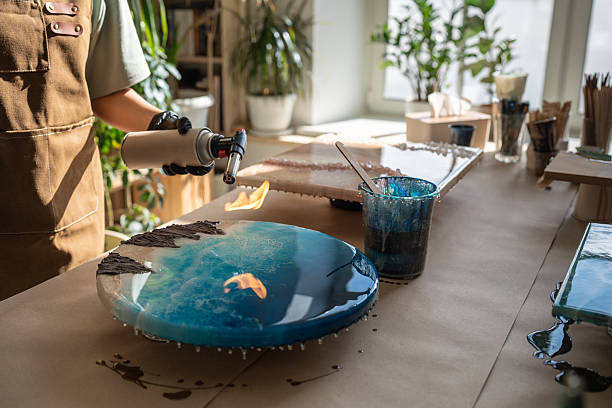
Resin art has become a creative outlet for people who want to explore unique forms of artistic expression. It is not only about creating decorative pieces but also about experimenting with colors, textures, and materials. Resin Art Workshops in Singapore are now widely recognized as a way for individuals to learn new skills, relax, and create personalized art. This guide explains everything you need to know about these workshops, from what resin art is to why it has become popular in Singapore.
Understanding Resin Art
What is Resin Art
Resin art is a form of art that uses epoxy resin mixed with hardeners to create glossy, durable finishes. Artists combine pigments, dyes, or other decorative materials to form unique designs. The process requires precision, patience, and creativity, which is why guided workshops are helpful for beginners.
Types of Resin Art
There are different types of resin art that participants can explore. Some focus on creating functional objects like coasters and trays, while others emphasize wall art or jewelry pieces. Workshops often introduce learners to multiple techniques, allowing them to experiment with both practical and decorative projects.
Why Resin Art is Unique
Resin art is unique because no two pieces are ever identical. The fluid nature of resin ensures that each design carries an organic flow. This makes it especially attractive to people who value individuality in their artwork.
Growing Popularity of Resin Art Workshops in Singapore
Cultural Interest in Creative Activities
Singapore has a vibrant art and craft scene that attracts people from all walks of life. Many residents and visitors look for opportunities to explore hands-on creative activities. Resin art workshops meet this demand by offering structured lessons in an engaging environment.
Stress Relief and Relaxation
In a fast-paced city like Singapore, many people look for ways to unwind. Resin art workshops provide a therapeutic experience. Mixing resin, experimenting with pigments, and watching colors blend together can be a calming process.
Accessibility for All Skill Levels
Workshops are designed to be accessible to everyone, whether they are complete beginners or experienced artists. Instructors usually provide step-by-step guidance, making it easier for participants to create beautiful pieces even on their first attempt.
What to Expect in a Resin Art Workshop
Basic Introduction
Most resin art workshops begin with an introduction to materials. Instructors explain how resin works, the role of hardeners, and safety measures. Participants also learn about different types of pigments and additives.
Hands-On Practice
After the introduction, learners start experimenting. They measure, mix, and pour resin under the guidance of the instructor. This stage is usually the most enjoyable because it allows creativity to flow freely.
Finishing and Curing
Once the artwork is complete, the resin needs time to cure. Depending on the project, curing can take several hours to days. Workshops usually provide tips for finishing touches and maintaining the shine of resin pieces.
Safety Measures in Resin Art
Importance of Safety
Working with resin requires attention to safety. Resin is safe when handled properly, but direct contact with skin or inhaling fumes should be avoided. Workshops in Singapore ensure participants understand safety guidelines.
Protective Equipment
Participants are usually provided with gloves, aprons, and sometimes masks. Ventilation is also important, which is why most workshops are conducted in well-aired spaces.
Safe Handling of Materials
Instructors guide participants on measuring resin accurately and disposing of waste responsibly. This helps ensure the experience remains both enjoyable and safe.
Types of Resin Art Projects in Workshops
Functional Resin Art
Participants often enjoy creating functional items such as coasters, trays, or keychains. These projects are popular because they can be used daily and make great handmade keepsakes.
Decorative Resin Art
Wall art and decorative panels are another highlight of resin workshops. Artists use different pouring techniques to create abstract or nature-inspired designs.
Jewelry and Accessories
Smaller projects like pendants, earrings, and rings allow participants to explore fine details in resin art. These items are popular in workshops because they combine creativity with wearability.
Why Join a Resin Art Workshop in Singapore
Skill Development
Resin art workshops are not just about fun but also about skill building. Participants gain hands-on experience in mixing ratios, color blending, and finishing techniques.
Creative Expression
Workshops provide a safe environment where participants can express their creativity. Since resin art has no rigid rules, each person is free to design something unique.
Social Interaction
Many people join workshops to meet others with similar interests. This social aspect makes the experience enjoyable and memorable.
Who Can Attend Resin Art Workshops
Beginners
Complete beginners can attend without prior knowledge of art. Instructors ensure step-by-step guidance, making it easy to understand.
Hobbyists and Art Enthusiasts
Those who already enjoy painting, crafting, or design can expand their skill set by learning resin techniques.
Families and Groups
Workshops often welcome families, friends, and team-building groups. Resin art is suitable for collective activities where participants can share ideas and create together.
Duration and Structure of Workshops
Short Sessions
Some resin art workshops in Singapore last only a few hours. These sessions are designed for people who want a quick introduction to resin art.
Full-Day Experiences
Longer workshops may cover more advanced techniques. Participants get extra time to create multiple pieces and learn finishing methods in detail.
Multiple Sessions
For those interested in deeper learning, workshops may be spread over several days or weeks. These allow learners to progress from basic techniques to advanced projects.
Costs and Materials
Workshop Fees
Fees for resin art workshops vary depending on duration and complexity. Short sessions are usually affordable, while advanced multi-day programs may cost more.
Included Materials
Most workshops include materials in their fee. Participants receive resin, pigments, tools, and protective gear as part of the package.
Take-Home Artwork
One of the most rewarding aspects of resin workshops is that participants get to take their finished pieces home.
Future of Resin Art in Singapore
Rising Interest in Handmade Crafts
With increasing interest in handmade and personalized items, resin art is expected to grow in popularity. Workshops will likely expand to include more techniques and project types.
Sustainability in Resin Art
As awareness of environmental issues grows, many workshops are exploring eco-friendly resin options. Sustainable practices are becoming a part of the art community in Singapore.
Community Engagement
Resin art workshops may also play a role in community events, exhibitions, and cultural activities in Singapore. This ensures that resin art remains accessible to a wide audience.
Tips Before Attending a Resin Art Workshop
Dress Comfortably
Participants should wear clothing they do not mind getting messy. Aprons are usually provided but comfort is important.
Ask Questions
Workshops are interactive. Asking questions helps learners understand techniques better and avoid mistakes.
Be Open to Experimentation
Resin art is about creativity. Participants should experiment with colors and designs rather than aiming for perfection.
Conclusion
Resin Art Workshops in Singapore offer a balance of creativity, learning, and relaxation. They are suitable for people of all ages and skill levels who want to explore artistic expression in a structured yet flexible environment. With safety measures in place and a wide variety of projects to choose from, these workshops continue to gain popularity. As interest in handmade art and crafts grows, resin art workshops are likely to remain a valuable part of Singapore’s creative scene.


