 WhatsApp Us Now
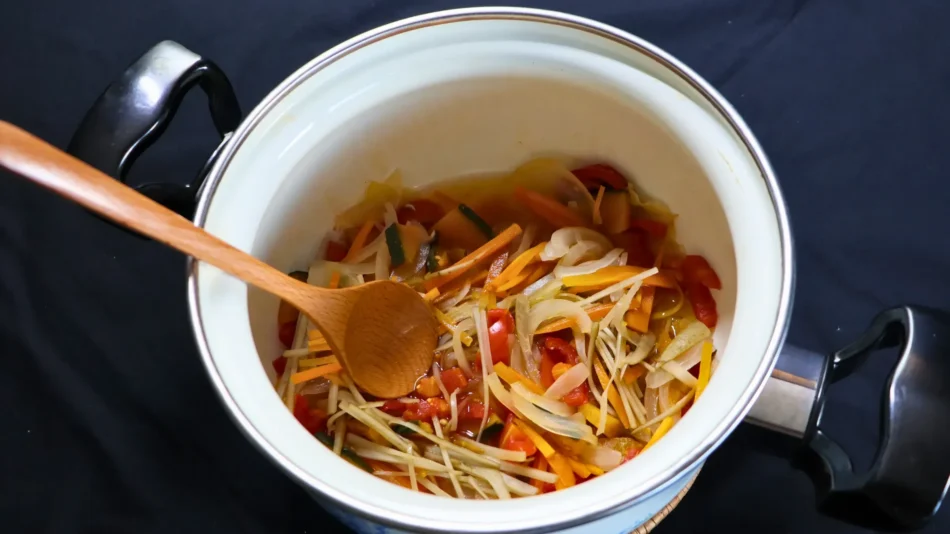
Why Japanese Cooking Makes Vegetables Shine
Japanese home cooking treats vegetables like VIPs. Instead of hiding them under heavy sauces, it boosts their natural sweetness, crunch, and fragrance with a few smart moves. You’ll see three ideas over and over:
Read more recipes on the FoodSniff.
The philosophy—shun, umami, and balance
- Shun means cooking what’s in season. In-season vegetables have better flavor and texture, so you can do less and get more.
- Umami is the savory depth you get from kombu (kelp), dried shiitake, miso, and soy sauce. It makes vegetables taste fuller without lots of fat or salt.
- Balance is about contrast: crisp and tender, sweet and salty, bright and mellow, raw and cooked. Every bite feels complete.
Less but better—restraint, seasoning, and knife work
You don’t need many ingredients, just good ones, prepped with care. A clean cut, a short blanch, a light glaze, and boom: Better Veggies that taste like themselves, just more so.
Build Flavor the Japanese Way
Umami building blocks
Kombu–shiitake dashi (fully plant-based)
Dashi is a light stock that brings out the best in vegetables. For a vegan version:
- Soak a 10–12 cm (4–5 in) strip of kombu and 4–6 dried shiitake in 1 liter (4 cups) cold water for 6–12 hours in the fridge.
- Heat gently until small bubbles form; remove kombu just before boiling.
- Simmer 5 minutes, then remove shiitake. Strain. That’s your aromatic base for soups, simmered dishes, and dressings.
Miso, soy sauce, mirin, and rice vinegar
- Miso brings deep, salty-savory complexity. White (shiro) miso is mild and sweet; red (aka) miso is robust.
- Soy sauce adds salt and umami; tamari is a wheat-free option.
- Mirin brings gentle sweetness and gloss. Rice vinegar adds bright, clean acidity.
Sesame, citrus, ginger, and aromatics
Toasted sesame (seeds, paste, or oil) adds nutty warmth. Yuzu or lemon gives lift. Ginger wakes everything up.
Salting, soaking, and quick blanching (how to make veggies crisp and bright)
- Light salting draws out water, concentrates flavor, and keeps crunch (great for cucumbers and cabbage).
- Soaking cut root veg in water removes bitterness and excess starch.
- Quick blanching (30–90 seconds) sets color, tenderizes fibers, and keeps greens vivid. Shock in ice water to stop cooking.
Essential Tools and Prep
Knives for vegetables—nakiri and usuba
- Nakiri: double-bevel, rectangular blade, perfect for straight veggie cuts.
- Usuba: single-bevel, ultra-precise (more advanced).
Basic cuts—sogigiri, rangiri, sasagaki, and katsuramuki
- Sogigiri: angled slices for more surface area (mushrooms, carrots).
- Rangiri: rolling oblique cut for even cooking (carrots, cucumbers).
- Sasagaki: shaving burdock (gobo) into thin curls.
- Katsuramuki: peeling daikon into a paper-thin sheet, then shredding.
Donabe, bamboo steamer, fine-mesh strainer, and small pots
A donabe (clay pot) or small saucepan helps you simmer gently. A bamboo steamer keeps veg juicy. A fine-mesh strainer makes silky sauces and rinses sesame pulp.
Core Japanese Techniques for Vegetables
Ohitashi (steeped greens)
Blanched greens briefly steeped in dashi (often with a splash of soy). Clean, green, and refreshing.
Goma-ae (toasted sesame dressing)
Ground toasted sesame with soy, mirin, and sugar coats blanched veg like spinach or green beans. Nutty and satisfying.
Nimono (gently simmered and glazed veg)
Vegetables simmer in dashi with soy, mirin, and a little sugar until tender and glossy. The liquid reduces to a light glaze.
Kinpira (stir-fry then quick braise)
Thin sticks of root veg (carrot, burdock) get a fast stir-fry with sesame oil, then a splash of soy and mirin to finish. Crisp edges, savory-sweet depth.
Tempura (feather-light frying)
Cold batter, hot oil, and minimal mixing equal delicate, lacy crusts on sweet potato, kabocha, shiso, okra, or green beans.
Agebitashi (fried then marinated in broth)
Lightly fried eggplant or peppers soaked in seasoned dashi—soft, juicy, and packed with umami.
Tsukemono (pickles): shiozuke, asazuke, nukazuke, misozuke
- Shiozuke: simple salt pickles (fast and crisp).
- Asazuke: quick brine pickles (15–60 minutes).
- Nukazuke: fermented rice-bran pickles with a yogurt-like tang.
- Misozuke: veggies cured in miso for deep savoriness.
Quick Flavor Formulas (No-Think Ratios)
Dressings and dips
- Goma-ae base: 2 tbsp ground toasted sesame + 2 tsp soy + 2 tsp sugar + 1 tsp mirin (per 300 g/10 oz blanched veg).
- Citrus-soy dressing: 2 parts soy, 2 parts rice vinegar, 1 part citrus juice, 1 part mirin.
- Miso dip: 1 part miso: 1 part mirin: 1 part dashi. Simmer 2–3 minutes.
Glazes and finishing sauces
- Shiny glaze: 2 tbsp soy + 2 tbsp mirin + 1 tsp sugar + 3 tbsp dashi; reduce to syrupy.
- Teriyaki-ish veg glaze: 2 parts soy: 2 parts mirin 1 part sake (or water):½ part sugar.
Pickle brines
- Asazuke: 4 parts water: part rice vinegar + 2% salt by weight + pinch sugar.
- Shiozuke: 2% salt by veg weight (e.g., 10 g salt per 500 g veg), massage and rest 30–60 minutes.
Seasonal Guide to Japanese Veggie Cooking
Spring—tender and sweet
Asparagus, snow peas, spinach, young carrots. Quick blanches, ohitashi, and light sesame dressings.
Summer—cool and crisp
Cucumbers, tomatoes, eggplant, and okra. Asazuke pickles, agebitashi eggplant, chilled noodle salads piled with veg.
Autumn—deep and nutty
Kabocha squash, mushrooms, and burdock. Nimono and kinpira bring out cozy flavors.
Winter—comforting and mellow
Daikon, napa cabbage, sweet potatoes. Slow simmering and hot pots keep textures tender and flavors round.
Smart Shopping and Storage Tips
What to buy, how to store, what to prep ahead
- Look for weight and firmness. Heavy daikon, tight napa cabbage, dense kabocha.
- Store right. Leafy greens in breathable bags with a paper towel; cucumbers unwashed in the crisper; mushrooms in paper, not plastic.
- Prep boosters. Make a liter of kombu–shiitake dashi and refrigerate 3–4 days (or freeze in cubes). Toast and grind sesame ahead. Keep a jar of quick pickle brine in the fridge.
7-Day Plant-Forward Menu (Japanese-Style)
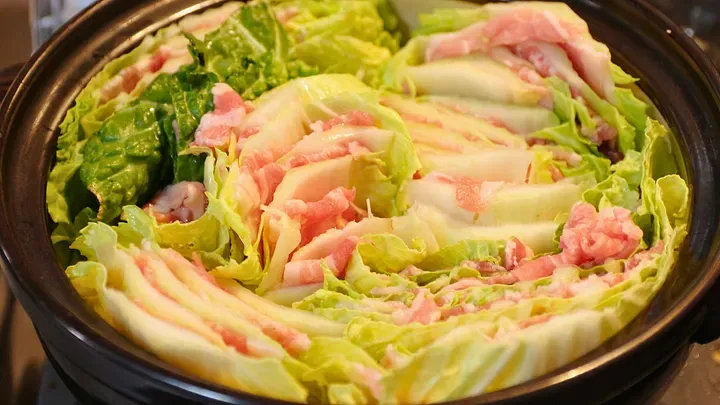
Simple daily plan you can mix and match
- Day 1: Spinach ohitashi + miso soup with tofu and wakame + steamed rice.
- Day 2: Kinpira carrot & burdock + cucumber asazuke + cold soba.
- Day 3: Nasu dengaku with shredded cabbage + barley rice.
- Day 4: Kabocha nimono + sautéed shimeji with soy–butter (or olive oil) + miso soup.
- Day 5: Vegetable tempura platter + daikon oroshi + tentsuyu dipping sauce.
- Day 6: Agebitashi peppers + tomato–wakame salad with citrus-soy dressing.
- Day 7: Mixed mushroom rice (takikomi gohan) + quick napa cabbage shiozuke.
5 Signature Recipes (Step by Step)
Spinach Ohitashi (Steeped Greens with Soy–Dashi)
Serves: 2–3 • Time: 10 minutes
Ingredients:
- 300 g (10 oz) spinach, tough stems trimmed
- ¾ cup (180 ml) kombu–shiitake dashi (or water)
- 1 tbsp soy sauce (or tamari)
- 1 tsp mirin (optional)
- Toasted sesame seeds, for garnish
Steps:
- Bring a pot of salted water to a boil. Blanch spinach 30–45 seconds until bright.
- Sh greenock in ice water. Squeeze gently and form into a tidy bundle; cut into 3–4 cm (1–1½ in) lengths.
- Combine dashi, soy, and mirin. Arrange spinach in a shallow bowl, pour sauce over, and let steep 3–5 minutes.
- Top with sesame seeds. Serve cool or room temperature.
Tips: Squeezing removes excess water so the sauce isn’t diluted. Try with green beans or broccolini.
Kinpira Gobo & Carrot (Nutty Sweet-Savory Stir-Fry)
Serves: 3–4 • Time: 20 minutes
Ingredients:
- 1 medium burdock root (gobo), peeled and cut into thin matchsticks (soak 5 minutes)
- 2 medium carrots, cut into matchsticks
- 1 tbsp neutral oil + 1 tsp sesame oil
- 1½ tbsp soy sauce
- 1½ tbsp mirin
- 1 tsp sugar (optional)
- Toasted sesame seeds and a pinch of chili flakes (shichimi), optional
Steps:
- Heat neutral oil and sesame oil in a skillet on medium-high.
- Add gobo, stir-fry 2 minutes; add carrots, cook 2–3 minutes more.
- Splash in soy, mirin, and sugar. Stir-fry until the liquid reduces and coats the veg.
- Finish with sesame seeds and a pinch of chili.
Tips: Cut thin for speed and crunch. Swap gobo for parsnip if you can’t find it.
Nasu Dengaku (Miso-Glazed Eggplant)
Serves: 2–3 • Time: 25 minutes
Ingredients:
- 2 medium Japanese eggplants (or 1 large globe eggplant)
- 1 tbsp neutral oil
- Dengaku glaze: 2 tbsp miso (white or mixed) + 1 tbsp mirin + 1 tbsp sugar + 1–2 tbsp water
- Sesame seeds and sliced scallions, to finish
Steps:
- Halve eggplants lengthwise. Score the flesh in a crosshatch without cutting through the skin.
- Heat oil in a skillet over medium heat. Place eggplant cut side down; cook 4–5 minutes until golden. Flip, cover, and cook 3–5 minutes until tender.
- Mix glaze; brush generously over cut sides.
- Broil or torch briefly until the glaze bubbles and caramelizes.
- Sprinkle with sesame and scallion.
Tips: For less oil, bake cut-side down at 220°C/425°F for ~15 minutes, then glaze and broil.
Kabocha Nimono (Gently Simmered Pumpkin)
Serves: 3–4 • Time: 25–30 minutes
Ingredients:
- 500 g (1.1 lb) kabocha squash, seeded, cut into 4–5 cm chunks, skin on
- 1½ cups (360 ml) dashi
- 1½ tbsp soy sauce
- 1½ tbsp mirin
- 1 tsp sugar (optional)
Steps:
- Arrange kabocha in a snug pot, skin side down. Add dashi just to cover.
- Add soy, mirin, and sugar. Bring to a gentle simmer (not a boil).
- Cover with a parchment otoshibuta (drop lid) or loosely with a lid. Simmer 12–18 minutes until tender.
- Remove the lid, reduce for a few minutes until glossy.
Tips: The skin protects texture; eat it—delicious and pretty.
Asazuke Cucumber (15-Minute Quick Pickle)
Serves: 2–3 • Time: 15–20 minutes
Ingredients:
- 2 small cucumbers, thinly sliced
- ½ tsp salt (about 2% of veg weight)
- 2 tbsp rice vinegar
- 1 tsp sugar (optional)
- ½ tsp grated ginger (optional)
Steps:
- Toss the cucumber with salt; massage for 30 seconds. Let sit 10 minutes; gently squeeze out excess water.
- Stir in vinegar, sugar, and ginger. Rest 5 minutes. Eat right away or chill up to a day.
Tips: Add a strip of kombu for bonus umami.
Plating and Balance—Ichiju Sansai at Home
How to build a balanced, beautiful plate
A classic home meal is one soup + three small dishes (grain optional). For a plant-forward table:
- Main veg dish: Nasu dengaku or kabocha nimono.
- Side 1: Spinach ohitashi.
- Side 2: Kinpira or pickles.
- Soup: Miso with tofu and seasonal veg.
Keep colors mixed (green, orange, white, purple), vary textures (crisp, silky, tender), and finish with something fresh (grated daikon, citrus zest).
Nutrition and Health Benefits
Fiber, minerals, and the power of umami to reduce sodium
This style is naturally high in fiber (greens, sea vegetables, mushrooms) and rich in minerals (potassium, magnesium). Umami lets you use less salt without losing flavor. Light cooking preserves vitamins, and quick pickles add gut-friendly ferments when you use nukazuke or misozuke methods.
Common Mistakes (and Easy Fixes)
Overcooking, heavy seasoning, and skipping prep steps
- Overcooking greens makes them dull. Blanch briefly and chill fast.
- Too much sauce hides veg flavor. Start small; taste; adjust.
- Skipping salting or soaking can leave watery or bitter results. A minute here saves the dish.
- Thick cuts cook unevenly. Use rangiri or thin matchsticks for consistency.
- Cold oil for tempura = greasy crust. Keep the oil hot and the batter cold.
Substitutions and Accessibility
If you can’t find Japanese produce or pantry items
- Veg swaps: Burdock → parsnip; Japanese eggplant → small globe eggplant; shiso → basil + mint; kabocha → buttercup or sugar pumpkin.
- Pantry swaps: Mirin → 2 parts rice vinegar + 1 part sugar (softened with a splash of water); Dashi → kombu + mushrooms; Tamari → soy sauce.
- Gluten-free: Choose tamari labeled GF and certified miso.
Sustainability and Zero-Waste Tips
Stocks from scraps, pickling odds and ends
- Save kombu and shiitake from dashi; mince and stir into kinpira or rice.
- Peels and stems (daikon skin, broccoli stems) become great pickles.
- Leftover dashi makes soup or cooking liquid for grains.
Conclusion
The Japanese way to better veggies isn’t about fancy tricks—it’s about care. Season softly, cut cleanly, cook briefly, and lean on umami. With a jar of dashi, a spoonful of miso, and a handful of sesame, your vegetables will taste brighter, sweeter, and more satisfying. Start with one technique—ohitashi, kinpira, or a quick asazuke—and build from there. Soon you’ll have a small toolkit that turns any seasonal produce into something you’re proud to serve.
FAQs
Q1: Can I make dashi ahead and freeze it?
Yes. Freeze in ice-cube trays, then store in a bag. Drop cubes into sauces, soups, or nimono whenever you need a quick umami boost.
Q2: What oil is best for tempura?
Use a neutral, high-heat oil (like canola or rice bran). Keep batter cold, oil hot, and don’t crowd the pan.
Q3: I can’t find kombu. What’s the next best option?
Use dried shiitake alone for a mushroom-forward stock, or add a small piece of dried porcini for extra depth.
Q4: How do I keep greens bright green?
Salt the blanching water, cook briefly, and shock in ice water. Squeeze gently to remove water before saucing.
Q5: Are Japanese veggie dishes always vegetarian?
Not always—some use katsuobushi (bonito flakes). To keep it vegetarian or vegan, stick to kombu–shiitake dashi and skip fish-based seasonings.


