 WhatsApp Us Now
If you’ve ever thought about giving away an old car, you’ve probably stumbled into a maze of half-truths, rumours, and “I heard from a friend” kind of stories. That’s the tricky part: the good stuff about donating often gets buried under misconceptions. And because of that, plenty of people miss the chance to clear their driveway and help a cause they care about through a vehicle donation program.
Let’s bust a few of those myths wide open.
“My car’s too beat-up to help anyone.”
This one comes up constantly. Folks imagine a charity looking for shiny, almost-new vehicles. But in reality? Most programs accept cars in almost any condition. Even the rusted hatchback in your backyard has value.
Why? Because a car doesn’t have to run to be useful. It might be recycled for parts, sold at auction, or scrapped for metal. Some organizations even use these cars for job-training programs. What looks like junk to you can be an opportunity for someone else.
“It’s not worth it—the tax deduction is tiny.”
Ah, taxes. The part everyone dreads. Some people assume a car donation barely makes a difference when filing, but that’s not true. The IRS does allow deductions, usually based on the selling price or fair market value.
Will it feel like winning the lottery? No. But it can still put some extra breathing room in your refund. And let’s be honest—anything that makes tax season feel a bit less painful is a win.
“The paperwork’s a nightmare.”
We’ve all been there: papers stacked on the kitchen table, signatures in triplicate, phone calls that never end. But donating a car isn’t like that. Most charities handle the title transfer, towing, and receipts. Some even send a tow truck right to your home, free of charge.
Sure, you’ll sign a couple of forms, but the process is far simpler than trying to sell the car on Craigslist or dealing with buyers who disappear after promising to show up.
“Charities barely see the money.”
This one has a grain of truth, which is why it sticks around. Yes, some questionable programs pocket more than they should. But reputable nonprofits? They make sure proceeds from donated cars are directed toward their work. Many even publish annual reports showing where the money goes.
So instead of writing off the whole idea as shady, the better move is to choose carefully. Look for a nonprofit that’s transparent. Ask them straight up how donations are used. You’ll be surprised how many are happy to share the details.
“I’d be better off selling it and donating the cash.”
In theory, this sounds smart. In practice? Selling an old car is a hassle. Ads, phone calls, test drives, DMV trips… ugh. And let’s not forget repairs—because very few buyers line up for a car with a “check engine” light glowing.
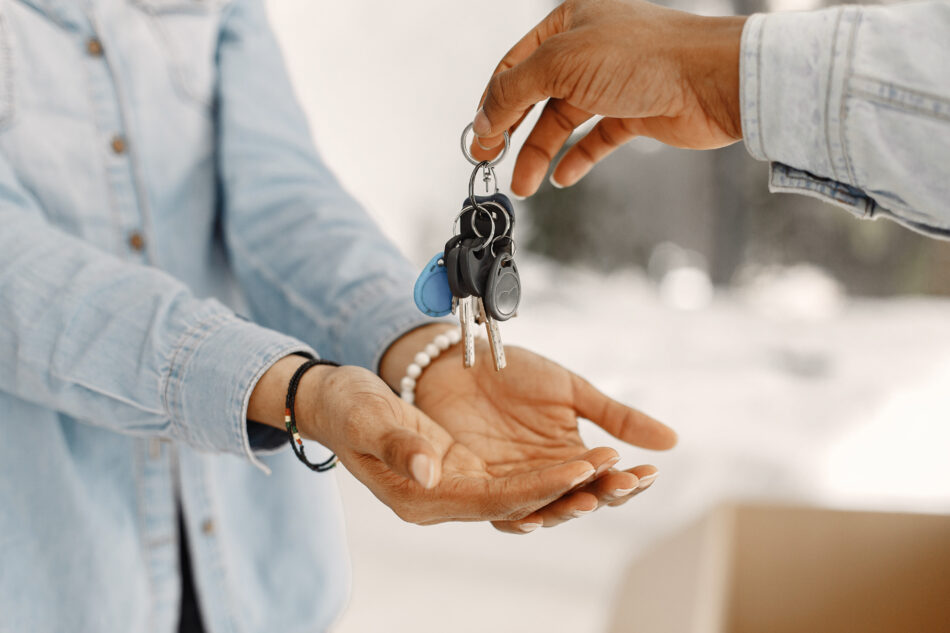
With a vehicle donation program, all that headache disappears. You make one call, hand over the keys, and you’re done. No strangers knocking at your door, no wasted weekends. Just quick, simple, and still supporting a cause.
So… where do these cars actually end up?
Good question. Not every car has the same path. Some are reprepared, some are recycled, and some help the charity directly. In fact, some car donation programs for nonprofits use self-donated vehicles – such as supplying transport, helping employees access communities, or even serving as training equipment for business programs. This is not a size-fit-all deal. And what makes it interesting is: Your car can continue your “life” in a way you never expected.
“Only expensive cars matter.”
Another myth. People think that unless they’re donating a newer model or something flashy, it won’t count. Not true. Nonprofits benefit from volume. Dozens of older, modest donations often add up to more than a single high-value car.
Think about it: your old compact might feel worthless to you, but together with others, it funds food drives, school programs, or shelter initiatives. Small streams feed big rivers.
“It feels like I’m losing control.”
Handing over your car can feel strange. You wonder: what’s really going to happen to it? Will it get scrapped? Sold? And if so, where does the money go?
Here’s the thing—legitimate charities are upfront about this. They’ll tell you how the program works, what happens after pickup, and how the proceeds support their cause. If you’re uneasy, check if they’re a registered 501(c)(3). That IRS status means you’re working with a real nonprofit, not some fly-by-night middleman.
The Bigger Picture
At the end of the day, a car is just an object—metal, rubber, maybe some good memories mixed in. But when you let go of it through a donation, it becomes something else: food on a table, after-school tutoring, warm beds in a shelter.
And isn’t that a much better story for your old ride than letting it sit in your driveway collecting dust?
Wrapping It Up
So, let’s recap. Most of the common fears about donating a vehicle—too old, too complicated, not worth it—are simply misconceptions. A vehicle donation program isn’t perfect (what is?), but it’s often easier, more impactful, and more rewarding than people think.
If you’ve been on the fence, maybe this is your sign. That old car you’ve been ignoring? It could still do some good. And you’ll probably feel lighter once it’s gone.



