 WhatsApp Us Now
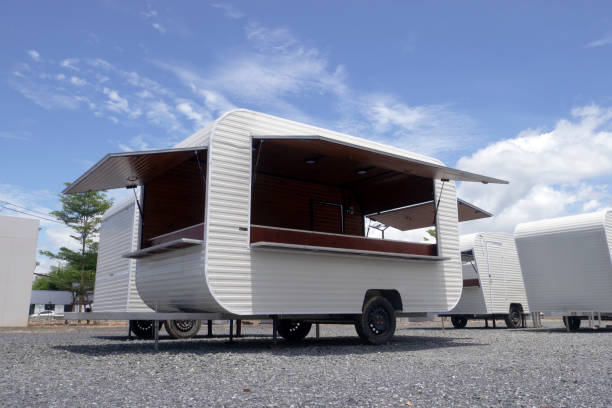
So, you’ve decided to step into the world of mobile food service. Exciting, right? But here’s the thing—dreaming of serving sizzling tacos, gourmet coffee, or deep-fried indulgences is one thing. Actually setting up a food trailer that works efficiently day in and day out? That’s a whole different game. And guess what—layout is at the heart of it.
Food trailer layouts aren’t just about where the fryer goes or how big the counter should be. They’re about creating a workflow. The kind of workflow that helps you crank out orders during the lunch rush without tripping over your staff, losing track of supplies, or burning yourself (ouch) because the sink was placed next to the fryer.
That’s why food truck customization is such a hot topic among new operators. If you ask concession trailer manufacturers, they’ll tell you—don’t skimp on planning the layout. A clever design can literally be the difference between smooth service and total chaos.
Let’s dive into the layouts that manufacturers often recommend, and more importantly, why.
Why Layout Matters More Than You Think
Imagine a kitchen where the fridge is across the room from the prep station. Every sandwich takes an extra 15 seconds to make because you’re walking back and forth. Multiply that by 200 orders in a day… and you’ve wasted nearly an hour just running around. Not cool.
Now picture a food trailer where everything is within arm’s reach. You’re flipping burgers, sliding buns onto the counter, toppings right there, and the window’s only a quick pivot away. That’s efficiency. That’s smart design.
Good layouts aren’t just about speed, though. They keep you compliant with health codes, make your trailer safer, and even help with customer perception. Customers may not notice a perfect layout, but they’ll definitely notice a bad one—long wait times, messy counters, or that awkward “sorry, we’re out of space” vibe.
The Classic Line Layout
When concession trailer manufacturers talk about standard setups, the line layout is usually the starting point. Picture it: all your main equipment sits along one wall. Fryers, grills, prep stations, sinks—lined up like soldiers.
Why it works:
- Easy to install and clean (straight runs are simple).
- Staff can move left to right, assembly-line style.
- Maximizes serving speed during high-volume events.
When it doesn’t:
- Limited space for more than two workers.
- If one person is in the middle, traffic jams happen.
This layout is often recommended for smaller trailers or businesses with a tight menu. If your concept is “fast and focused” (say, burgers, hot dogs, or tacos), this might be the ticket.
The Galley or Parallel Layout
Think of the galley layout as the line layout’s beefed-up cousin. Equipment goes on both walls, facing each other. One side for hot cooking (grills, fryers, ovens), the other for cold prep and storage (fridge, prep table, sinks).
Why it works:
- Doubles your usable counter space.
- Separates “hot” and “cold” zones for safety.
- Staff can work side by side without colliding.
This is a favorite among food truck customization experts because it balances space and function. A galley works best in medium-sized trailers—those 18 to 22-foot rigs where you’ve got enough room to actually move but not enough to waste.
The Island Layout
Ah, the luxury option. You won’t see this in every trailer because it requires a bigger rig (and a bigger budget). But when you can pull it off, it’s a game changer.
The island layout places a prep table or counter in the middle, with cooking and storage along the walls. Staff can circle around the island, working on different tasks at once.
Why it works:
- Great for complex menus with multiple prep steps.
- Makes collaboration easier—one person cooks, another plates, another serves.
- Space for extra equipment like espresso machines or dessert stations.
Concession trailer manufacturers usually suggest this layout for larger operations—think catering events, festivals, or mobile restaurants with a full menu.
The L-Shape
Here’s a sneaky little layout that’s popular with coffee trailers and niche food concepts. Equipment wraps around two walls, creating an L.
Why it works:
- Efficient for single-operator businesses.
- Leaves open space for customer interaction.
- Easy to keep clean, with fewer blind spots.
It’s a smart choice if you’re running solo or with just one helper. Food truck customization in L-shapes is often about maximizing customer-facing areas—like espresso bars or smoothie counters—where presentation matters just as much as prep.
Tips From Manufacturers You Won’t Find in Brochures
Okay, layouts are great on paper, but let’s talk real-world stuff. The kind of advice concession trailer manufacturers share after watching hundreds of operators succeed (and a few struggle):
- Plan For Your Menu, Not Just Your Equipment. A pizza trailer needs different flow than an ice cream trailer. Don’t let a shiny fryer trick you into a setup that doesn’t fit your food.
- Don’t Ignore Storage. It’s not sexy, but running out of cold space mid-shift? Total nightmare. Build in extra storage from the start.
- Think About Movement. How many steps does it take to finish an order? If it’s more than five, something’s off.
- Electrical and Plumbing Matter. Fancy espresso machine? Industrial fryer? They’ll chew up your power supply if you didn’t plan right.
- Future-Proof Your Trailer. Planning to expand the menu later? Leave space for an extra fridge or griddle. It’s way cheaper than tearing out walls in a year.
Food Truck Customization: Making It Yours
At the end of the day, layouts are recommendations—not rules. The beauty of food truck customization is that you can tweak things to match your exact style. Want a pass-through window in the back instead of the side? Go for it. Need a low counter for serving kids’ shaved ice? Totally doable.
Customization also lets you brand the interior as much as the exterior. Bright lighting, stainless steel finishes, or even custom cabinetry can make your space feel like “yours.” And when you’re working 10-hour shifts in a 7-foot-wide box, that comfort matters more than you’d think.
Mistakes to Avoid
Some quick don’ts, because learning the hard way is expensive:
- Cramming too much equipment. Just because it fits doesn’t mean it works. Empty space is functional space.
- Forgetting the serving window. Awkward placement slows everything down.
- Cheap materials. That bargain sink may rust in a year. Then you’ll be replacing it mid-season.
- Ignoring health codes. Manufacturers can guide you, but it’s your job to double-check with local inspectors. Every city has quirks.
Wrapping It Up
So, which layout is best? Honestly, it depends on your food, your staff, and your vision. Concession trailer manufacturers can point you toward tried-and-true designs, but only you know how you want to work.
The golden rule? Efficiency first, aesthetics second. If you can serve food fast, safely, and with a smile, your customers won’t care if your sink is on the left or right. But you will care—especially after your 100th order of the day.
Food truck customization is a journey. It’s a mix of practical choices and personal touches, and the layout is just the start. Get that right, and you’ll thank yourself every single shift.



