 WhatsApp Us Now
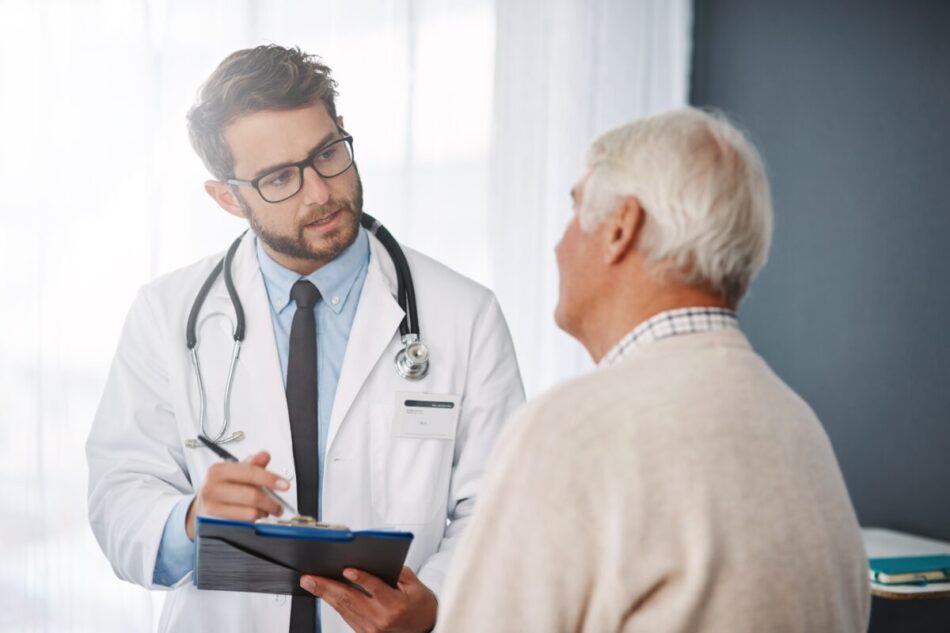
Vein health is a significant aspect of overall wellness, especially for those experiencing issues such as varicose veins or spider veins. Vascular Surgery in Abu Dhabi includes cutting-edge minimally invasive vein treatments that deliver effective results with reduced discomfort and recovery time. These treatments cater to individuals seeking efficient solutions that blend seamlessly into their active lifestyles.
What Are Minimally Invasive Vein Treatments?
Minimally invasive vein treatments are advanced procedures designed to address venous conditions without the need for extensive surgery. These treatments typically involve small incisions, specialized catheters, or targeted energy applications like lasers or radiofrequency to close or remove problematic veins. The goal is to restore healthy blood flow and improve vein appearance while minimizing downtime.
Popular Minimally Invasive Techniques in Abu Dhabi
Endovenous Laser Ablation (EVLA)
Endovenous Laser Ablation is a widely used technique that employs laser energy to heat and close damaged veins. The procedure is performed under local anesthesia and involves inserting a thin fiber into the vein. The laser’s heat seals the vein shut, which is then naturally absorbed by the body over time.
Radiofrequency Ablation (RFA)
Radiofrequency Ablation uses radiofrequency energy to heat the vein walls, causing them to collapse and seal shut. It is a gentle and effective alternative to laser treatments, often chosen based on vein size and location. Like EVLA, RFA is minimally invasive and typically performed on an outpatient basis.
Ultrasound-Guided Foam Sclerotherapy
This treatment involves injecting a specialized foam solution directly into the affected vein under ultrasound guidance. The foam irritates the vein lining, causing it to close and eventually fade. This technique is ideal for treating smaller varicose veins and spider veins with precision.
Ambulatory Phlebectomy
Ambulatory phlebectomy is a technique used to remove superficial veins through tiny skin punctures. The procedure is usually done under local anesthesia and is effective for treating bulging veins that are close to the skin’s surface.
Benefits of Minimally Invasive Vein Treatments
Reduced Recovery Time
One of the main advantages of these treatments is their quick recovery periods. Patients can often return to daily activities within a day or two, making it convenient for those with busy schedules.
Minimal Discomfort
Unlike traditional vein surgery, minimally invasive procedures cause less pain and bruising. Local anesthesia and targeted techniques ensure that discomfort is minimized during and after treatment.
Improved Cosmetic Results
These treatments not only improve vein function but also enhance the appearance of the legs by reducing visible veins and swelling, boosting self-confidence.
Lower Risk of Complications
With fewer incisions and precise targeting, the risk of complications such as infections or scarring is significantly reduced compared to conventional surgeries.
How to Prepare for Vein Treatment
Before undergoing any minimally invasive vein procedure, patients typically undergo a thorough evaluation. This may include a physical examination and duplex ultrasound to map the veins and identify problem areas. Preparation instructions vary but generally involve avoiding certain medications and wearing loose clothing on the day of treatment.
What to Expect After Treatment
Post-treatment care often involves wearing compression stockings and limiting strenuous activities for a short period. Follow-up appointments help monitor healing and ensure treatment effectiveness. Most patients experience little downtime and notice improvement within weeks.
Frequently Asked Questions About Minimally Invasive Vein Treatments in Abu Dhabi
Are these treatments suitable for all vein conditions?
Minimally invasive options are effective for most common vein issues like varicose veins and spider veins, but a thorough evaluation is necessary to determine the best approach.
Is the procedure painful?
Most treatments are well-tolerated with local anesthesia. Patients may feel slight discomfort during or after the procedure, but it is generally mild and short-lived.
How soon can I return to work?
Many patients return to work the next day, especially if their job does not involve heavy physical activity.
Will the veins reappear after treatment?
Properly treated veins typically do not return. However, new veins may develop over time, requiring future treatments.
How many sessions are needed?
The number of sessions depends on the extent of vein involvement. Some patients achieve results after one session, while others may require multiple treatments.


