 WhatsApp Us Now
In the world of modern construction, where structural integrity and durability are non-negotiable, heavy forging plays an essential role in ensuring strength, performance, and safety. From high-rise buildings and industrial facilities to bridges and transport infrastructure, forged components form the backbone of many architectural and engineering marvels.
As demands for stronger and more reliable structures increase, the role of forging manufacturers and forging suppliers becomes ever more critical. In this article, we’ll explore how heavy forging impacts construction, what makes it superior, and how to select the right supplier for your project.
What is Heavy Forging?
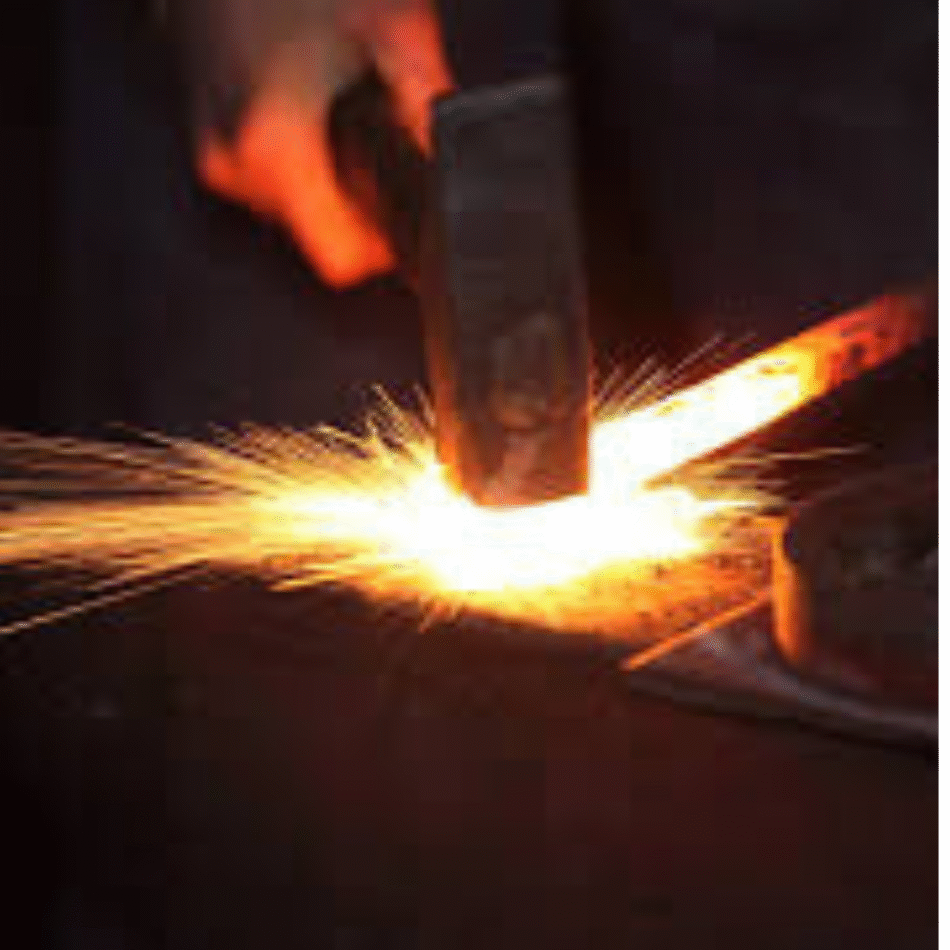
Heavy forging is a metal shaping process used to manufacture large and robust components by applying compressive forces using hydraulic hammers, presses, or forging machines. This process alters the grain structure of metals, making the components significantly stronger and more resistant to fatigue and failure.
Unlike casting, where metal is melted and poured into molds, forging uses mechanical force to shape the metal while it remains solid. The result? Components that can withstand extreme pressures and loads – ideal for construction applications.
Why Forging Is Vital in the Construction Industry
The construction industry depends on materials that can endure dynamic and static stresses over long periods. Here’s why forged components are so valued:
1. Superior Mechanical Properties
Forged materials boast enhanced mechanical strength due to the aligned grain flow that results from the forging process. This means higher resistance to impact, wear, and fatigue – critical features for structures like beams, columns, and fasteners.
2. Durability Under Load
Bridges, skyscrapers, and heavy machinery foundations require components that can hold up under heavy static and moving loads. Forged steel parts such as crankshafts, gear blanks, flanges, and connecting rods deliver the needed durability.
3. Customization and Versatility
Forging manufacturers offer a high level of customization. Components can be tailored in terms of shape, size, and material composition to meet specific architectural and engineering requirements.
4. Resistance to Defects
Forging eliminates porosity and internal voids, which are common in cast components. This ensures long-term reliability, especially in seismic zones or environments subject to harsh conditions.
Applications of Forged Components in Construction
Let’s look at where forged products are used in the construction ecosystem:
- Structural Supports: Forged steel is used in manufacturing brackets, couplers, base plates, and anchors for load-bearing purposes.
- Bridge Components: Pins, linkages, and gusset plates for suspension and truss bridges are often forged for added strength.
- Cranes and Lifting Systems: Hooks, shackles, and sheaves are forged to handle dynamic stress and repeated load cycles.
- Heavy Machinery Parts: Bulldozers, excavators, and tower cranes rely on forged gears, axles, and drive components for dependable operation.
Types of Forging Used in Construction
Depending on the size and purpose of the component, different forging techniques are employed:
🔹 Open Die Forging
Used for large parts such as beams, axles, and shafts. It involves pressing the metal between flat or contoured dies, allowing it to flow in multiple directions. Ideal for parts that require great strength and flexibility.
🔹 Closed Die Forging (Impression Die)
Best for smaller, more precise components like fasteners and fittings. This method confines the metal in a die cavity, resulting in high dimensional accuracy and finish.
🔹 Ring Rolling
Used to manufacture large rings and circular parts with enhanced radial strength – commonly seen in bearing housings and support rings.
Choosing the Right Forging Manufacturers and Suppliers
Not all forging suppliers are created equal. The performance of your final structure heavily depends on the quality of the forged components. Here’s what to consider:
✅ Experience & Specialization
Look for forging manufacturers with experience in supplying to the construction industry. They will better understand the technical requirements and safety standards your project demands.
✅ Certifications and Quality Control
Ensure your supplier holds certifications such as ISO 9001, ASME, or ASTM compliance. Rigorous quality control ensures that every forged component meets required mechanical and dimensional standards.
✅ Material Selection
Top forging suppliers provide a wide range of materials – from carbon and alloy steels to stainless and duplex steels. The right material choice enhances strength, corrosion resistance, and longevity.
✅ Custom Engineering Support
Work with suppliers who offer engineering support. They can assist in designing components optimized for your specific application, reducing costs and improving efficiency.
✅ Lead Time and Scalability
Timely delivery is crucial in construction. Choose forging manufacturers with scalable production capabilities and a track record of meeting deadlines, even on bulk orders.
Forging and Sustainability in Construction
The construction sector is under increasing pressure to adopt sustainable practices. Forging contributes positively in this regard:
- Minimal Waste: Unlike machining from solid blocks, forging uses just enough material, reducing metal waste.
- Longevity: Durable forged parts reduce the need for frequent replacements, conserving resources.
- Recyclability: Most forging materials like steel are recyclable, aligning with green building standards.
Future Trends: Forging Meets Innovation
The forging industry is embracing digital transformation and sustainability initiatives:
- Simulation & Modeling: Advanced software helps manufacturers simulate forging processes to optimize material flow and reduce defects.
- Automated Forging Lines: Robotics and AI-driven quality checks improve productivity and consistency.
- Green Forging: New heating techniques and energy-efficient equipment reduce carbon emissions during the forging process.
As construction projects become more complex and performance-driven, the demand for high-precision forged components will continue to grow.
Conclusion: Building Strong with Forging
Heavy forging is more than just a manufacturing method—it’s a foundation for strength, safety, and durability in construction. Whether it’s the backbone of a skyscraper or the pin of a crane, forged components ensure structural integrity where it matters most.
Collaborating with trusted forging manufacturers and forging suppliers gives you access to precision-crafted parts that meet the highest standards of performance and reliability.
As the construction industry evolves, forging will remain a critical pillar in building a stronger, safer, and more sustainable world.


