 WhatsApp Us Now
ECG Test Near Me: Everything You Need to Know
When your heart health is on the line, timely diagnostics make all the difference. Whether you’re experiencing unexplained palpitations, chest discomfort, or simply want a routine heart checkup, searching for an ecg test near me is often the first step. This simple yet crucial test records the electrical signals in your heart, helping detect abnormalities early.
In this article, we’ll walk you through what to expect, how to prepare, and why getting an ECG done close to home can make healthcare more convenient and less stressful.
Understanding ECG: What Does It Really Do?
Your Heart’s Electrical Story
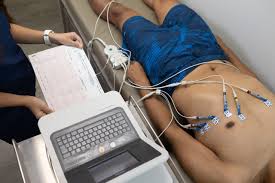
An electrocardiogram (ECG or EKG) captures the electrical impulses that make your heart beat. By placing small electrodes on your chest, arms, and legs, a machine translates these signals into a graph. Doctors read this graph to identify rhythm disturbances, blocked arteries, or structural issues.
Who Should Consider an ECG?
Doctors typically recommend ECGs for those who:
- Experience chest pain or shortness of breath
- Have palpitations or irregular heartbeats
- Suffer from dizziness or fainting spells
- Have a family history of heart disease
- Are undergoing pre-surgical clearance or fitness screenings
Why Search for an ECG Test Near You?
Convenience & Faster Results
Opting for a local center means you avoid long travels, which is important if you’re already experiencing symptoms. Clinics offering ecg test near me typically deliver reports faster, so your treatment doesn’t get delayed.
Continuity of Care
A nearby diagnostic center can seamlessly coordinate with your primary physician or cardiologist. This ensures any abnormal findings are addressed promptly without gaps in communication.
How to Prepare for Your ECG Appointment
Simple Steps for an Easy Test
- Wear comfortable clothing: You may need to partially undress so technicians can place electrodes on your chest.
- Avoid lotions or oils: These can interfere with electrode contact.
- Inform about medications: Certain drugs can affect heart rhythm, so share a list of what you take.
- Relax: Stress can alter heart rate; try to stay calm for accurate readings.
Is the ECG Painful?
Not at all. It’s a non-invasive, quick, and painless procedure. You’ll lie still for about 5-10 minutes while the machine records your heart’s activity.
What Happens After Your ECG?
The technician will remove the electrodes and you can resume normal activities right away. Your results are usually reviewed by a cardiologist. If anything unusual shows up—like arrhythmias or signs of a past heart attack—your doctor will discuss next steps, which could range from lifestyle changes to more advanced cardiac testing.
Why Early ECG Testing Matters
Heart conditions often progress silently. Catching them early through routine checks makes management simpler and outcomes far better. A short visit to your local diagnostic center today could potentially save you from serious complications tomorrow.
Final Thoughts on Finding an ECG Test Near Me
Your heart deserves timely attention. By searching for an ecg test near me, you’re making a proactive choice for your health. Not only does it give you peace of mind, but it also ensures that any potential issues are addressed before they escalate. Remember, heart health isn’t just about treatment—it’s about prevention, too.
FAQs About ECG Tests
1. How long does an ECG take from start to finish?
The entire process usually takes about 10-15 minutes. The test itself only lasts a few minutes; most of the time is spent preparing your skin and placing electrodes.
2. Can I eat or drink before an ECG?
Yes, there’s no need to fast. You can eat and drink as normal unless your doctor instructs otherwise.
3. Is an ECG enough to diagnose all heart problems?
No. While ECGs are great for spotting many electrical issues, they can’t detect all structural or functional heart conditions. Sometimes your doctor might recommend an echocardiogram or stress test for a fuller picture.
4. Are there side effects of getting an ECG?
No side effects. The test is completely non-invasive and painless.
5. Can anxiety affect my ECG results?
Yes. Anxiety or nervousness can temporarily elevate your heart rate, which might show up on your ECG. Try to stay relaxed.
6. How often should one get an ECG?
It depends on your health history. People with risk factors like diabetes, hypertension, or family history of cardiac disease may be advised to have periodic ECGs even without symptoms.
7. What’s the difference between an ECG and an EKG?
They’re the same test. ECG comes from the English “electrocardiogram,” while EKG is based on the German spelling “elektrokardiogramm.”
8. Will insurance cover my ECG?
Most insurance plans cover ECGs when medically indicated. It’s best to check with your provider about specific coverage.
9. Why are multiple electrodes needed?
Different electrodes capture electrical activity from various angles, providing a complete view of your heart’s function.
10. Can I drive myself home after an ECG?
Absolutely. Since it’s non-invasive with no sedatives involved, you can go about your day immediately after.


