 WhatsApp Us Now
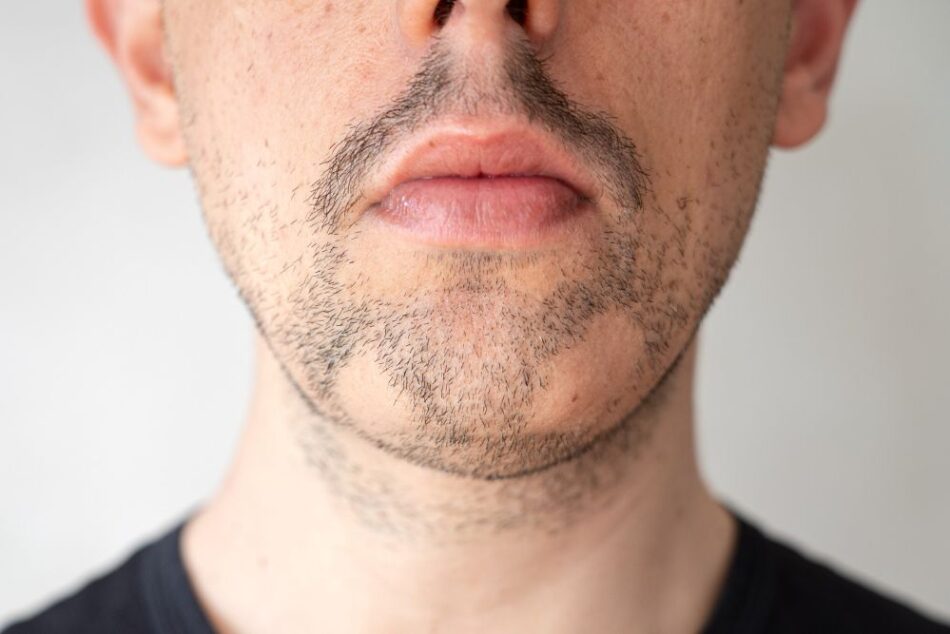
Facial hair plays a significant role in defining masculinity, style, and confidence. However, not all men can grow a full, thick beard. Patchy beards are a common concern for many individuals due to genetics, hormonal imbalances, lifestyle, or past skin conditions. Inconsistent beard growth can lead to frustration, impacting self-esteem and grooming choices. Men often try various serums, oils, and grooming products with limited results. This has led many to explore more permanent and medically advanced solutions such as beard transplant procedures, especially in aesthetic-forward cities like Dubai, where grooming trends are on the rise. A key consideration here is the suitability and effectiveness of a Hair Transplant in Dubai for treating patchy beards.
What Is a Beard Hair Transplant?
How Does It Work?
A beard transplant is a minimally invasive cosmetic procedure that involves harvesting hair follicles—usually from the back of the scalp—and implanting them into the beard area. These donor hairs are genetically resistant to hair loss, ensuring long-term retention and growth. The technique used is typically FUE (Follicular Unit Extraction) or FUT (Follicular Unit Transplantation). Both methods allow for precision in placing individual follicles into the beard to ensure a natural, even pattern.
Ideal Candidates
Beard transplants are ideal for individuals with:
- Sparse or patchy facial hair
- Uneven growth patterns
- Facial scars that prevent hair growth
- Complete absence of a beard due to genetics or injury
Why Choose Beard Transplants for Patchy Beards?
Natural Results with Personalized Design
One of the most significant advantages of beard transplants is the natural look they provide. The procedure allows patients to choose the shape, density, and coverage of their beards. Surgeons customize the implantation based on facial structure, ensuring symmetry and balance.
Permanent Solution
Unlike topical treatments or supplements that require ongoing use and may produce inconsistent results, a beard transplant offers a long-term solution. Once the transplanted hair follicles are fully established, they continue to grow just like natural facial hair.
Comparing Beard Hair Types and Sources
The following table provides insight into the differences between natural beard hair and transplanted scalp hair used in beard transplants.
| Beard Hair vs. Scalp Hair | Beard Hair | Scalp Hair Used for Transplant |
|---|---|---|
| Texture | Coarser | Softer but adapts post-transplant |
| Growth Direction | Naturally varied by facial area | Manually adjusted during implantation |
| Growth Cycle | Slightly slower | Matches beard once implanted |
| Visual Appearance | Fuller and denser in look | Mimics beard texture after some time |
Common Causes of Patchy Beards
Genetics and Hormones
Genetics is the most significant factor. If patchy beards run in the family, there’s a higher likelihood of experiencing the same. Testosterone and dihydrotestosterone (DHT) levels also influence beard density.
Stress and Diet
High stress levels, inadequate sleep, and poor diet can negatively impact hair growth. Nutrients like zinc, biotin, and vitamin D play vital roles in promoting healthy facial hair.
Skin Conditions and Scarring
Conditions like alopecia areata or past acne scars can interfere with beard growth in certain areas. Transplants can effectively cover these spots by implanting follicles directly into scarred tissue.
Key Phases of the Beard Transplant Procedure
Pre-Transplant Consultation
Patients undergo an evaluation to determine beard pattern, donor area availability, and overall health. The plan is tailored to the individual’s needs and desired outcomes.
Hair Extraction
Donor hairs are extracted from the scalp—typically the occipital (back of the head) region. FUE involves removing individual follicles, while FUT extracts a strip of skin.
Implantation Process
The surgeon creates tiny incisions in the beard area, placing each follicle with precision. This ensures a natural growth pattern and even coverage across patchy spots.
Recovery and Growth
Initially, the transplanted hairs fall out within 2-3 weeks. New growth begins within 3-4 months, with full results visible by 9-12 months.
Post-Procedure Care and Tips
Early Stage
Redness, mild swelling, or scabbing is common in the initial days. It’s essential to follow post-care instructions carefully, avoid shaving, and refrain from touching the area.
Long-Term Maintenance
Once the beard has grown in fully, it can be treated like natural facial hair. Trimming, styling, and grooming are all possible, offering complete freedom in beard maintenance.
Suitability Based on Beard Patterns
The following table outlines how transplant procedures cater to different types of patchy beards.
| Patchy Beard Pattern | Transplant Suitability | Comments |
|---|---|---|
| Incomplete Cheek Growth | Highly Suitable | FUE can fill in upper cheek gaps |
| Thin Chin Area | Suitable | Chin shaping improves facial balance |
| Spot Baldness (Alopecia) | Conditional | Success depends on severity and location |
| Beard Scar Coverage | Suitable | Transplants can mask old scars effectively |
| Sparse Moustache or Goatee | Suitable | Detailed implantation enhances density |
Are Results Permanent?
Yes, beard transplant results are typically permanent. The transplanted follicles retain their original characteristics and continue to grow indefinitely. However, it’s essential to understand that overall hair health still relies on proper care, a balanced diet, and avoiding habits like smoking that may affect growth.
FAQs
1. How long does it take to see the final beard transplant results?
Results begin to appear around 3–4 months post-procedure, with full results usually visible after 9–12 months.
2. Can I shave or style my beard after the transplant?
Yes, once the transplanted area has healed and hair growth is established, you can shave, trim, and style your beard normally.
3. Is a beard transplant painful?
The procedure is typically performed under local anesthesia. Discomfort is minimal, and most patients report only mild soreness for a few days afterward.
4. Are the results of a beard transplant natural-looking?
Absolutely. When performed by a skilled practitioner, the direction, density, and placement of follicles mimic natural beard growth patterns.
5. Do transplanted hairs fall out permanently?
It’s normal for transplanted hairs to shed within the first few weeks. This is temporary. New, permanent growth follows in a few months.
Final Thoughts
Beard transplants offer a reliable, natural, and permanent solution for individuals struggling with patchy or uneven facial hair. Whether your patchiness stems from genetics, scarring, or hormonal issues, this procedure can redefine your facial aesthetic and boost self-confidence. Choosing a beard transplant—especially in a location like Dubai, where medical aesthetics have seen significant advancements—ensures access to state-of-the-art techniques and a culture that values personal grooming. If you’re considering addressing your patchy beard, a Hair Transplant might just be the effective and long-lasting solution you’ve been searching for.


