 WhatsApp Us Now
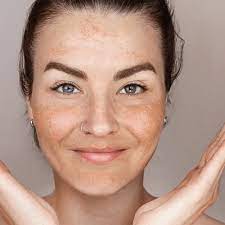
Dermal pigmentation refers to discoloration located in the deeper layers of the skin, often resulting from excess melanin production. This condition may present itself as melasma, age spots, or post-inflammatory hyperpigmentation. These pigment-related changes not only affect skin tone but also contribute to an uneven texture and aged appearance.
As individuals in Dubai continue seeking advanced skincare solutions, Dermal Pigmentation In Dubai has emerged as a popular treatment option. These treatments not only target discoloration but are now recognized for their ability to address signs of aging such as dullness, wrinkles, and loss of elasticity.
Types of Dermal Pigmentation Conditions
Melasma
This condition appears as dark patches primarily on the face, triggered by hormonal shifts or sun exposure.
Lentigines (Age Spots)
Common in older adults, age spots develop due to long-term sun exposure, usually on the face and hands.
Post-Inflammatory Hyperpigmentation (PIH)
PIH results from injury or inflammation to the skin, such as acne or eczema, and often appears darker in tone than surrounding skin.
How Dermal Pigmentation Treatments Address Skin Aging
Modern pigmentation treatments are designed to reach deeper skin layers, promoting regeneration and cell turnover. In doing so, they do more than just lighten dark spots—they also stimulate collagen production and enhance skin vitality.
Stimulating Skin Cell Renewal
Exfoliation-based treatments like chemical peels or laser therapy remove the outermost layers of dead skin, allowing newer, healthier skin to emerge. This improves tone, texture, and softness.
Boosting Collagen Production
Treatments that use lasers or microneedling technology help trigger the skin’s natural healing process. This increases collagen and elastin levels, reducing the appearance of wrinkles and sagging.
Enhancing Radiance and Clarity
By eliminating deep-seated pigmentation, these treatments restore a more uniform complexion. Bright, clear skin naturally appears more youthful and refreshed.
Common Dermal Pigmentation Treatments and Their Anti-Aging Benefits
| Treatment Type | Primary Purpose | Anti-Aging Benefit |
|---|---|---|
| Laser Therapy | Breaks down deep melanin deposits | Stimulates collagen, tightens skin |
| Chemical Peels | Exfoliates damaged skin layers | Smooths wrinkles, evens tone |
| Microneedling with Serums | Boosts product absorption, renewal | Enhances elasticity, reduces fine lines |
| Intense Pulsed Light (IPL) | Targets pigmentation with light | Improves texture, reduces sun damage |
| Topical Brightening Agents | Lightens pigmentation over time | Improves radiance, prevents future aging |
Skin Types and Suitability
Fitzpatrick Skin Types and Customization
Dermal pigmentation treatments can be customized to suit various skin tones. People with darker skin types (Fitzpatrick IV–VI) require specialized approaches to avoid triggering more pigmentation.
Sensitivity and Tolerance
Aging skin tends to become thinner and more sensitive. Gentle treatments are often recommended initially, with a gradual shift to more intensive therapies if the skin responds well.
Lifestyle and Skincare Support
To optimize the outcome of dermal pigmentation treatments, supportive skincare and healthy habits are essential. These include:
- Daily sunscreen application to prevent new pigmentation.
- Antioxidant-rich serums to fight free radicals.
- Hydrating moisturizers to maintain skin barrier function.
- Healthy diet and hydration to support skin renewal internally.
Skin Aging Signs Improved by Pigmentation Treatments
| Sign of Aging | How Treatment Helps |
|---|---|
| Uneven skin tone | Pigment correction promotes uniform complexion |
| Dullness | Cell turnover boosts skin glow |
| Fine lines and wrinkles | Collagen production reduces their appearance |
| Sagging | Firmer skin from stimulation of deeper layers |
| Sun damage | Reversal of UV-induced pigment and texture damage |
FAQs
1. Can pigmentation treatments make you look younger?
Yes, many treatments targeting dermal pigmentation also stimulate collagen production, leading to firmer, smoother, and brighter skin, which gives a younger appearance.
2. Are these treatments safe for mature skin?
Most pigmentation treatments are safe when tailored to individual skin types and conditions. A professional assessment helps determine the best course.
3. Will pigmentation return after treatment?
Pigmentation may recur without proper aftercare. Regular sunscreen use and maintenance sessions can significantly reduce the risk of recurrence.
4. How many sessions are typically needed?
The number of sessions depends on the type and depth of pigmentation and the treatment method. Typically, 4–6 sessions spaced weeks apart are required for optimal results.
5. Are there non-invasive options for pigmentation and aging?
Yes, topical treatments and light therapies like IPL offer non-invasive solutions that require minimal downtime and can be highly effective when done consistently.
Conclusion
Dermal pigmentation treatments go beyond correcting discoloration—they serve as powerful tools in the fight against skin aging. By promoting collagen renewal, enhancing clarity, and restoring uniform tone, these treatments offer visible and lasting anti-aging results. For those living in or visiting Dubai, Dermal Pigmentation is more than a cosmetic trend—it’s a transformative experience that blends skin science with aesthetic beauty. Whether your goal is to fade spots, reduce wrinkles, or brighten your complexion, these treatments provide a holistic solution for youthful, radiant skin.


