 WhatsApp Us Now
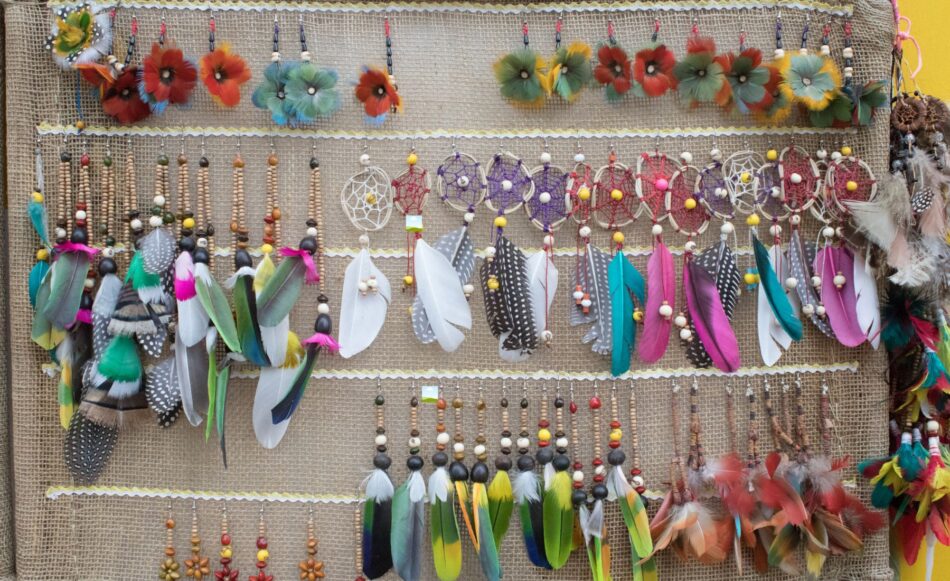
In an age where automation dominates and factory precision is the norm, handicrafts stand out as a celebration of imperfection, tradition, and human expression. These handmade treasures tell stories—woven into the threads of a rug, carved into the wood of a toy, or painted onto a piece of pottery. Every piece carries the unique touch of its creator, offering more than just functionality: it offers soul.
Handicrafts are not merely objects; they are cultural markers, embodiments of heritage passed down from generation to generation. From the delicate embroidery of Kashmir to the terracotta figurines of Africa, the essence of handicrafts lies in the techniques, textures, and tales they preserve. They speak a language of authenticity in a world increasingly leaning toward mass production and uniformity.
Expert Insight: The Craft Behind the Numbers
According to Expert Market Research, handicrafts are gaining new appreciation as consumers worldwide shift their focus toward sustainability, cultural preservation, and artisanal quality. The team at Expert Market Research highlights how changing lifestyle preferences—particularly in urban areas—are reigniting interest in handmade products that bring authenticity into modern spaces.
Their insights point to an evolving narrative: people are no longer buying handicrafts solely for aesthetics. They’re investing in stories, supporting local communities, and embracing a slower, more thoughtful approach to living. As Expert Market Research suggests, the future of handicrafts lies in this convergence of cultural heritage and modern values—where art, ethics, and economy find common ground.
A Canvas of Culture and Identity
Handicrafts reflect the heart of a community. Whether it’s block-printed fabrics from India, handwoven baskets from Kenya, or indigenous beadwork from Latin America, each item captures local history, mythology, and daily life. This is why buying a handicraft is like owning a piece of a place—it’s an experience, not just a product.
Artisans infuse their personal experiences and regional flair into every creation. The colors chosen, the materials used, and even the tools applied—all reveal the story of a people and their way of life. Unlike machine-made items, which strive for perfection, the charm of handicrafts lies in their slight irregularities, which are proof of their authenticity.
Sustainability in Every Stitch
In a time when environmental responsibility has become urgent, handicrafts offer a natural, eco-conscious alternative. Handmade items typically use locally sourced, biodegradable, or recycled materials. Their production requires minimal energy, making them far less taxing on the environment compared to industrial goods.
Moreover, because these items are crafted with care and durability in mind, they often last longer than factory-made counterparts. The rise of conscious consumerism has given new importance to handcrafted goods, with people now seeking meaningful purchases over disposable trends.
Craftsmanship in the Digital Era
It may seem ironic, but the digital revolution has become an unexpected ally to the world of handicrafts. Online platforms and social media have empowered artisans to reach global audiences without leaving their workshops. An artisan in a remote village can now showcase their hand-painted ceramics to customers in New York, Tokyo, or Cape Town.
This fusion of tradition and technology has opened up new pathways for craft communities. Artisans are not only finding new markets but are also engaging in digital storytelling—sharing their process, inspirations, and cultural context with viewers worldwide. The result? A more connected, informed, and appreciative customer base.
The Human Touch in a Machine World
There’s a quiet magic in knowing that your rug was woven by hand over weeks or that your bowl was shaped from clay without the aid of machines. Handicrafts bring us back to a more mindful pace of life—where objects are not just bought but cherished. They remind us that behind every item lies a pair of skilled hands, a lifetime of learning, and a community that thrives on creativity.
In a world increasingly saturated with fast and forgettable, handicrafts offer the rare gift of meaning. They whisper the stories of their makers and invite us to become a part of their journey.
Crafting a More Meaningful Future
Handicrafts are more than nostalgic keepsakes; they are a form of resistance against mass-produced mediocrity and a celebration of individuality. They invite us to pause, appreciate, and support the real people behind the things we use and admire. As the world moves forward, the value of looking back—of preserving and celebrating traditional craftsmanship—becomes even more important.
With the support of expert insights, global awareness, and a growing desire for mindful living, handicrafts are not just surviving—they are thriving. And in their survival, they bring with them the rich heritage, vibrant creativity, and enduring spirit of the human touch.


