 WhatsApp Us Now
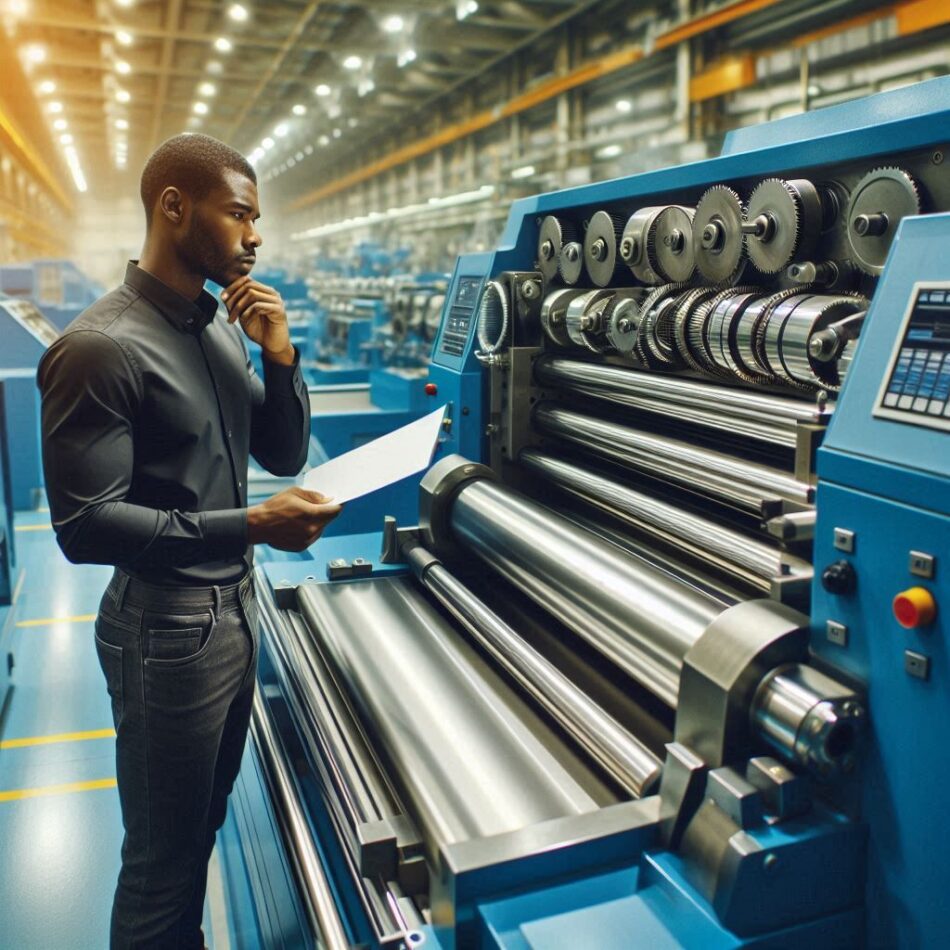
Automatic plate rolling machines are revolutionizing metal fabrication by streamlining the rolling process with speed, precision, and minimal manual intervention. Equipped with advanced CNC controls and programmable settings, these machines can handle complex rolling tasks with consistent accuracy, significantly reducing production time and material waste. Their ability to automate tasks like pre-bending, feeding, and alignment allows fabricators to achieve higher throughput while maintaining superior quality standards. This transformation not only boosts operational efficiency but also enables workshops to take on more customized and large-scale projects, making automatic plate rolling machines a game-changer in modern metal forming.
Choosing the Right Automatic Plate Roller for Your Workshop Needs
Choosing the right Automatic Plate Rolling Machine for your workshop involves evaluating several key factors to ensure it meets your specific fabrication needs. Start by considering the machine’s rolling capacity, including the maximum plate thickness and width it can handle, based on your typical workload. Look for features like CNC controls, hydraulic systems, and automatic feeding that enhance precision and reduce manual effort. The machine’s build quality, ease of operation, and safety features also play a crucial role in long-term reliability. Additionally, ensure the manufacturer offers solid after-sales support and readily available spare parts. A well-chosen automatic plate roller can significantly boost productivity, accuracy, and overall workflow efficiency in your fabrication process.
Applications of Automatic Plate Rolling Machines in Heavy Fabrication
Automatic plate rolling machines play a crucial role in heavy fabrication by enabling precise and efficient rolling of thick metal plates used in large-scale industrial applications. These machines are widely used in the manufacturing of pressure vessels, boilers, ship hulls, wind towers, and storage tanks, where accuracy and consistency are vital. With automated feeding, pre-bending, and rolling functions, they reduce manual handling and increase throughput, allowing fabricators to produce high-quality cylindrical and conical shapes with minimal rework. Their ability to handle various metals—such as mild steel, stainless steel, and aluminum—makes them indispensable in sectors like shipbuilding, oil and gas, power generation, and infrastructure development.


