 WhatsApp Us Now
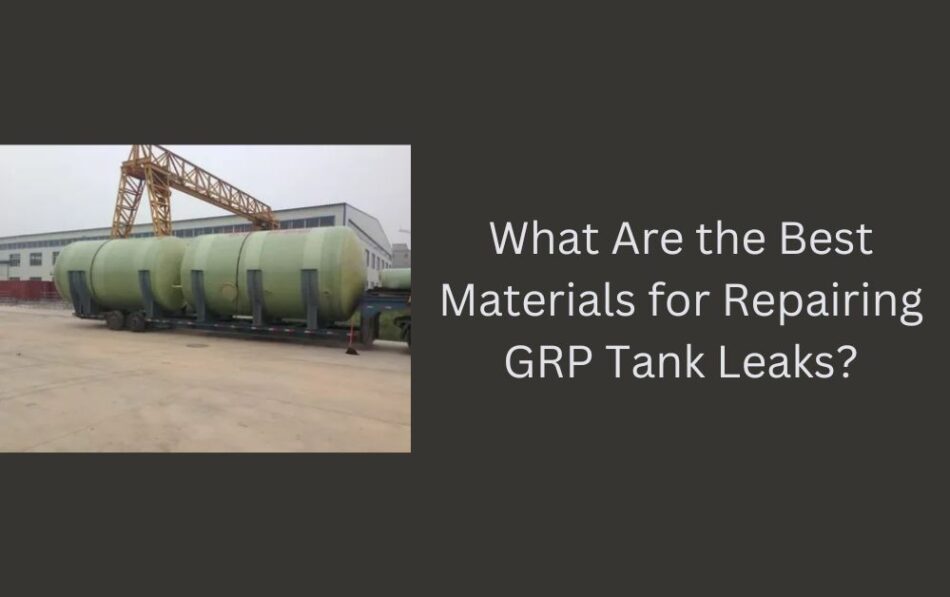
GRP (Glass Reinforced Plastic) tanks are widely used for storing water, chemicals, and other liquids because they are strong, lightweight, and resistant to corrosion. However, like any storage tank, GRP tanks can develop leaks over time due to cracks, impact damage, or aging. Repairing these leaks quickly is important to prevent further damage and avoid costly replacements.
NOTE: Don’t let leaks compromise your storage system. Our GRP tanks leakage maintenance services provide fast, reliable, and cost-effective solutions to keep your tanks in top condition. Contact us today for a thorough inspection and professional repair!
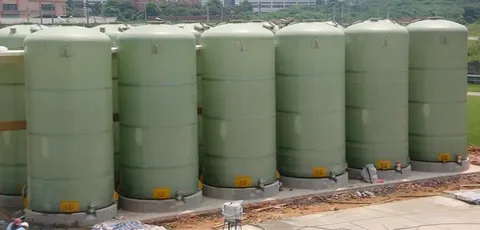
In this article, we will discuss the best materials for repairing GRP tank leaks, how they work, and which ones are best suited for different types of damage. We will also cover the steps to repair GRP tanks effectively using these materials.
Why Do GRP Tanks Leak?
Before choosing the right repair material, it is important to understand why GRP tanks develop leaks. Some common reasons include:
1. Cracks and Structural Damage
GRP tanks can develop cracks due to heavy loads, accidental impacts, or long-term wear and tear. These cracks can widen over time, leading to leakage.
2. Chemical Reactions
If a GRP tank is used to store strong chemicals, it may weaken over time. Some chemicals can cause the inner lining to deteriorate, leading to leaks.
3. UV Exposure and Weathering
Outdoor GRP tanks are exposed to the sun and harsh weather conditions. Prolonged UV exposure can make the material brittle, increasing the chances of cracks and leaks.
4. Poor Installation or Manufacturing Defects
Improper installation, low-quality materials, or factory defects can cause weak spots in the tank, which may eventually result in leaks.
Best Materials for Repairing GRP Tank Leaks
Now that we understand why GRP tanks leak, let’s explore the best materials used to repair them.
1. Fiberglass Mat and Resin
Fiberglass mat and resin are one of the most commonly used materials for repairing GRP tanks. This method helps restore the tank’s strength and prevents further leaks.
How It Works
- A fiberglass mat (woven or chopped strands) is cut to size and placed over the damaged area.
- A resin, usually polyester or epoxy, is applied to saturate the mat and bond it to the tank.
- Once the resin cures, it creates a strong, waterproof layer over the leak.
Best For:
- Small to medium cracks
- Surface-level damage
- Restoring structural strength
2. Epoxy Resin
Epoxy resin is a powerful adhesive and sealant that provides excellent bonding and waterproofing properties. It is widely used for GRP tank repairs because it forms a durable and chemical-resistant layer.
How It Works
- The damaged area is cleaned and dried.
- The epoxy resin is mixed and applied directly to the crack or leak.
- It hardens over time, sealing the leak and reinforcing the structure.
Best For:
- Minor cracks and leaks
- Chemical-resistant repairs
- Quick fixes without additional reinforcement
3. Polyester Resin
Polyester resin is another common material used for GRP tank repairs. It is often combined with fiberglass mats to create a strong and flexible repair.
How It Works
- Polyester resin is mixed with a hardener and applied over the damaged area.
- Fiberglass reinforcement can be added for extra strength.
- Once cured, it provides a durable repair that blends well with the original tank material.
Best For:
- Medium-sized cracks and holes
- Strengthening weakened areas
- Repairs that require flexibility and impact resistance
4. Polyurethane Sealant
Polyurethane sealants are flexible, waterproof, and adhesive-based materials used for sealing minor leaks. They are ideal for temporary fixes or sealing joints in GRP tanks.
How It Works
- The sealant is applied to the leak and spreads evenly.
- It forms a flexible, waterproof barrier that prevents further leakage.
- Some polyurethane sealants are paintable and UV-resistant.
Best For:
- Temporary leak fixes
- Sealing joints and seams
- Small cracks and pinhole leaks
5. Vinyl Ester Resin
Vinyl ester resin is a high-performance material used for GRP tank repairs, especially when chemical resistance is required.
How It Works
- Vinyl ester resin is applied similarly to polyester resin but offers better resistance to chemicals and high temperatures.
- It can be reinforced with fiberglass for additional strength.
Best For:
- Tanks storing aggressive chemicals
- High-temperature environments
- Repairs requiring maximum durability
Steps to Repair a GRP Tank Leak
Now that we know the best materials for GRP tank repairs, let’s go through the step-by-step process of fixing a leak.
Step 1: Identify the Leak
- Drain the tank and inspect it for visible cracks, holes, or weak areas.
- Use a dye or soapy water to detect small leaks.
Step 2: Clean and Prepare the Surface
- Remove dirt, grease, and loose particles from the damaged area.
- Sand the surface lightly to improve adhesion for the repair material.
Step 3: Choose the Right Repair Material
- For small cracks: Use epoxy or polyurethane sealant.
- For medium cracks: Use polyester or vinyl ester resin with fiberglass reinforcement.
- For large structural damage: Use multiple layers of fiberglass mat with polyester or epoxy resin.
Step 4: Apply the Repair Material
- Follow the application instructions for the chosen material.
- Apply multiple layers if necessary and allow proper curing time.
Step 5: Inspect and Test the Repair
- After curing, fill the tank with water and check for any leaks.
- If needed, apply additional reinforcement.
Preventive Maintenance Tips for GRP Tanks
To reduce the risk of leaks in GRP tanks, follow these maintenance tips:
1. Regular Inspections
Check your tank periodically for any signs of damage, cracks, or weak spots.
2. Avoid Heavy Impact
Prevent heavy objects from hitting the tank, as strong impacts can cause cracks.
3. Use UV Protection
If the tank is exposed to sunlight, consider applying a UV-resistant coating.
4. Monitor Chemical Storage
Ensure that the tank’s material is suitable for the chemicals being stored to prevent deterioration.
Conclusion
GRP tanks are durable, but they can develop leaks over time. Using the right repair materials such as fiberglass mat and resin, epoxy, polyester resin, polyurethane sealant, and vinyl ester resin can effectively fix leaks and extend the lifespan of the tank. By following proper repair steps and preventive maintenance, you can ensure your GRP tank remains leak-free and functional for years to come.
If you need professional help, always consult an expert to ensure the best results. Regular maintenance and timely repairs will save you money and prevent further damage in the long run.
For more insightful articles related to this topic, feel free to visit thestarbiznews


