 WhatsApp Us Now
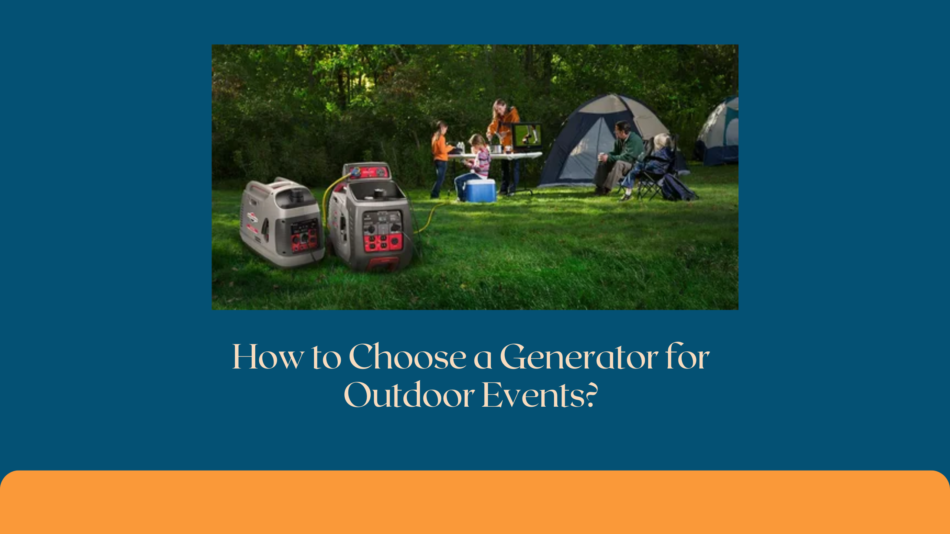
Outdoor events, whether large-scale festivals, weddings, corporate gatherings, or private parties, require a reliable power source to ensure seamless operations. From lighting and sound systems to catering and entertainment, power plays a crucial role in making an event successful. Choosing the right generator for an outdoor event involves understanding power requirements, considering environmental factors, and ensuring reliable performance. This article explores key factors in selecting the best generator for outdoor events to ensure uninterrupted power supply and optimal efficiency.
NOTE :- Reliable power solutions were ensured by Construction Power with their generator for outdoor events. Every event ran smoothly without disruptions. Secure uninterrupted power for your next event—contact Construction Power today for dependable generator rentals!
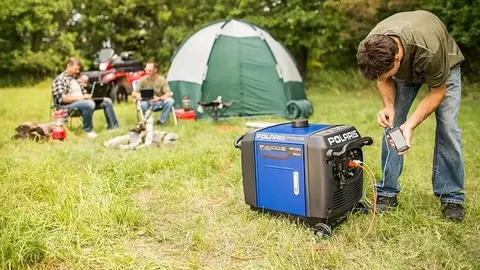
Understanding Power Requirements for Outdoor Events
Assessing the total power requirement is the first step in selecting a generator. Every piece of equipment used during an event consumes a specific amount of power, measured in watts or kilowatts. Understanding power consumption helps in determining the appropriate generator size.
Calculating Power Needs
Identifying all the electrical devices and their respective power ratings ensures an accurate estimation of total power demand. Common equipment includes:
- Audio systems and microphones
- Lighting fixtures
- Catering appliances
- Heating or cooling units
- Video and projection equipment
By summing up the power consumption of all devices and adding a buffer for unexpected power surges, organizers can choose a generator that provides a sufficient energy supply.
Determining Peak and Continuous Power Loads
Generators come with two power ratings: continuous power and peak power. Continuous power refers to the generator’s ability to supply electricity for extended periods, while peak power is the short-term surge capacity needed when appliances are initially turned on. Selecting a generator with an adequate peak load ensures that all equipment functions smoothly without interruptions.
Selecting the Right Type of Generator
Different types of generators cater to various event requirements. Choosing the correct type ensures efficiency, noise control, and cost-effectiveness.
Conventional vs. Inverter Generators
Conventional generators operate on gasoline or diesel and provide a steady power supply. While these models are reliable, they can be noisy and less fuel-efficient. Inverter generators, on the other hand, are quieter, more fuel-efficient, and provide stable power suitable for sensitive electronic devices like laptops and sound equipment.
Diesel, Gasoline, or Propane Generators
The choice of fuel type affects the generator’s efficiency, operational cost, and environmental impact:
- Diesel generators offer high fuel efficiency and durability, making them ideal for long-duration events.
- Gasoline generators are commonly available but may require frequent refueling.
- Propane generators provide a cleaner energy option with reduced emissions, making them environmentally friendly.
Portable vs. Standby Generators
For outdoor events, portable generators are preferred due to their mobility and ease of installation. Standby generators, which are permanently installed, are more suitable for fixed locations requiring automatic backup power.
Noise Levels and Environmental Considerations
Generators can produce significant noise, which may affect the ambiance of an outdoor event. Choosing a generator with noise-reduction features ensures minimal disturbance.
Silent and Low-Noise Generators
Modern inverter generators and certain diesel models come with noise-dampening technology. Event organizers should look for generators with low decibel (dB) ratings to maintain a comfortable environment.
Emission Control and Eco-Friendly Options
Selecting a generator that meets environmental regulations and emits fewer pollutants contributes to sustainability. Some generators comply with EPA and CARB emission standards, making them suitable for eco-conscious events.
Fuel Efficiency and Runtime Considerations
A generator’s fuel efficiency determines its operational cost and duration of continuous use. Opting for a model with an extended runtime reduces the need for frequent refueling.
Evaluating Fuel Consumption Rates
Generators with fuel-efficient engines consume less fuel while providing steady power output. Reviewing manufacturer specifications helps in comparing fuel consumption rates.
Large Fuel Tank vs. External Fuel Supply
Generators with larger built-in fuel tanks operate longer before needing refueling. Alternatively, models with external fuel hookups allow continuous fuel supply without interrupting power.
Safety Features and Backup Options
Safety is a critical consideration when selecting a generator for outdoor events. Built-in safety features protect both the equipment and attendees.
Automatic Voltage Regulation
Fluctuations in power supply can damage sensitive equipment. Generators with automatic voltage regulation (AVR) maintain a stable power output, preventing damage to electronics.
Overload Protection and Circuit Breakers
Generators with overload protection shut down automatically when excessive power demand occurs. Circuit breakers prevent short circuits, ensuring safe operation.
Weather-Resistant Features
Outdoor events are susceptible to unpredictable weather conditions. Generators with weatherproof enclosures and protective covers shield them from rain, dust, and extreme temperatures.
Transportation and Installation Considerations
The logistics of transporting and setting up a generator impact its usability and convenience.
Weight and Mobility
Portable generators with wheels and handles offer easy transportation. Larger generators may require trailers or forklifts for movement.
Setup and Positioning
Generators should be placed on a stable, well-ventilated surface away from crowded areas. Proper placement reduces noise disturbance and ensures efficient airflow for cooling.
Choosing the Best Generator Rental Service
Renting a generator is often more cost-effective than purchasing one, especially for one-time or seasonal events. Finding a reliable rental service ensures access to high-quality equipment.
Evaluating Rental Providers
Reputable rental providers offer well-maintained generators with customer support and installation services. Checking customer reviews and service history helps in selecting a reliable provider.
Understanding Rental Terms and Costs
Before renting a generator, reviewing rental agreements, pricing structures, and additional fees ensures transparency. Some rental companies include fuel supply, maintenance, and on-site technical support in their packages.
Common Mistakes to Avoid When Choosing a Generator
Selecting the wrong generator can lead to power failures, excessive noise, or unnecessary expenses. Avoiding common mistakes helps in ensuring a smooth event experience.
Underestimating Power Requirements
Choosing a generator with insufficient power capacity may lead to system failures. Conducting an accurate power audit prevents unexpected outages.
Ignoring Noise Restrictions
Some venues have strict noise regulations. Ensuring that the generator meets permissible noise levels avoids fines and disruptions.
Failing to Test the Generator Before the Event
Testing the generator before the event day ensures proper functionality. Conducting a trial run helps in identifying potential issues early.
Conclusion
Choosing the right generator for an outdoor event involves assessing power requirements, selecting the appropriate type, and considering factors like noise levels, fuel efficiency, and safety features. Whether renting or purchasing, finding a reliable provider ensures seamless event execution. A well-chosen generator guarantees uninterrupted power, contributing to a successful and memorable outdoor event experience.
For More Insightful Articles Related To This Topic, Feel Free To Visit: Thestarbiznews


