 WhatsApp Us Now

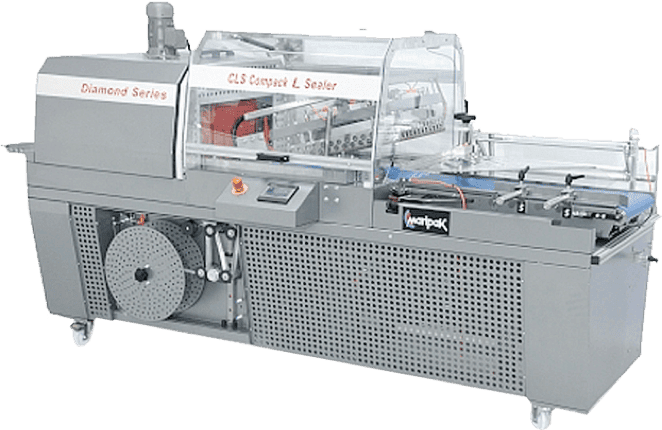
A packaging line may appear to be operating efficiently when products move continuously and finished packages look presentable. However, recurring film waste, unexpected stoppages, inconsistent seals, and excessive energy consumption can gradually increase operating expenses. These issues often develop from overlooked decisions involving machinery, materials, and daily production practices.
Businesses that use shrink wrappers need to look beyond the initial equipment investment and consider how packaging systems perform over time. A machine that works well for one product category may struggle when handling different sizes, shapes, or production volumes. Recognizing common packaging mistakes can help manufacturers improve consistency, control costs, and reduce avoidable interruptions.
Here are seven mistakes that deserve attention when managing industrial shrink wrapping operations.
1. Choosing Equipment Based Only on Maximum Speed
One common mistake is selecting packaging machinery primarily according to its advertised production capacity.
Although processing speed matters, the maximum number of packages a machine can handle does not necessarily reflect its performance during everyday production.
Actual output depends on several factors, including:
- Product dimensions and stability.
- Film type and thickness.
- Operator involvement.
- Sealing and shrinking requirements.
- Conveyor coordination.
- Changeover time between products.
- Maintenance-related interruptions.
For example, a machine capable of processing a high number of packages per minute may deliver lower output when operators must frequently adjust film rolls or reposition irregular products.
Businesses evaluating shrink wrappers should therefore consider sustained production performance under realistic operating conditions.
A packaging trial using representative products can provide more useful information than maximum speed specifications alone.
2. Using the Wrong Shrink Film for the Application
Packaging film influences sealing performance, package appearance, product protection, and material consumption.
Different shrink films behave differently when exposed to heat.
Polyolefin film is commonly used for retail products, printed materials, and other applications where clarity and a neat finished appearance are important.
Polyethylene film is frequently selected for heavier products and multipack bundling.
PVC shrink film is another material used in certain packaging applications, although equipment compatibility, processing conditions, and environmental considerations should be evaluated carefully.
The mistake occurs when businesses choose film based only on price without examining whether it works correctly with their equipment and products.
An unsuitable film may contribute to weak seals, excessive wrinkles, tears, or an uneven finished appearance.
Before selecting materials, confirm the machinery manufacturer’s recommended film specifications and conduct production tests.
3. Ignoring Packaging Line Bottlenecks
A packaging operation functions as a connected system rather than a collection of independent machines.
Products may move through feeding, film application, sealing, shrinking, cooling, and discharge stages.
If one stage operates significantly slower than the others, product accumulation and interruptions can occur.
Consider a packaging line where the sealing machine can process products faster than the discharge conveyor can remove them.
Even if the sealer performs correctly, the overall line may experience repeated stoppages.
The same problem can occur when a shrink tunnel cannot accommodate the required product flow.
Businesses using automated shrink wrappers should evaluate how machine speeds interact throughout the line.
Conveyor synchronization, appropriate product spacing, and compatible control systems can help maintain a more balanced workflow.
4. Overlooking Small Packaging Defects
Minor defects may seem insignificant when products are moving quickly through production.
However, repeated quality problems can increase material consumption and create additional inspection or rework requirements.
Common problems include:
| Packaging defect | Possible contributing factor | What to investigate |
| Wrinkled film | Uneven heating or inappropriate film sizing | Tunnel settings and film dimensions |
| Weak seals | Incorrect sealing conditions | Temperature, pressure, and sealing time |
| Torn film | Sharp edges or excessive shrinkage | Product geometry and film suitability |
| Loose wrapping | Insufficient shrinkage | Film characteristics and heating conditions |
| Burned packaging | Excessive heat exposure | Temperature and conveyor speed |
These are possible causes rather than definitive diagnoses. Multiple operating conditions may contribute to the same defect.
Instead of repeatedly adjusting machine settings without a clear process, operators should document recurring problems and investigate them systematically.
This approach can reduce unnecessary changes and help identify the actual source of packaging defects.
5. Neglecting Preventive Maintenance
Packaging machinery contains components that experience wear through repeated operation.
Sealing elements, conveyor belts, bearings, sensors, and heating systems may require periodic inspection and maintenance.
When routine maintenance is delayed, small issues can develop into more disruptive equipment problems.
For example, a worn sealing component may cause inconsistent seals even when the machine’s temperature settings are correct.
Similarly, poor conveyor tracking may create additional friction, premature belt wear, or unreliable product movement.
A preventive maintenance program for shrink wrappers should follow the manufacturer’s recommended procedures and consider actual operating conditions.
Maintenance activities may include checking designated sealing components, inspecting belt condition, cleaning accessible sensors, and reviewing machine fault histories.
Work involving electrical systems, moving components, or stored energy should be performed by appropriately qualified personnel using suitable isolation and lockout procedures.
Routine inspection can help identify developing problems before they interfere with production.
6. Forgetting About Product Changeover Requirements
Manufacturers rarely package only one product size indefinitely.
Seasonal products, promotional bundles, new packaging designs, and changing customer requirements can introduce different package dimensions.
A machine may perform efficiently during long runs of identical products but require substantial adjustment time when switching formats.
Changeovers may involve:
- Adjusting product guides.
- Repositioning sealing components.
- Changing film widths.
- Modifying conveyor settings.
- Updating heat tunnel parameters.
- Testing the finished package before full production resumes.
If changeovers occur frequently, adjustment time becomes an important part of overall productivity.
Businesses comparing shrink wrappers should consider how easily machines accommodate their expected range of product sizes.
It may also be useful to standardize frequently used settings, document successful configurations, and train authorized operators in appropriate changeover procedures.
The goal is to maintain consistent packaging quality without introducing unnecessary delays.
7. Measuring Output Without Measuring Waste
Production reports often focus on the number of completed packages.
While output is important, it does not fully describe packaging efficiency.
Two machines may produce the same number of finished packages but differ substantially in film consumption, rejected packages, labor requirements, and downtime.
A more complete evaluation should include additional performance indicators.
Film Consumption per Finished Package
Measuring material usage can help identify oversized film selections, poor settings, or unnecessary packaging waste.
Rework and Rejection Rates
Tracking defective packages reveals whether quality issues are recurring and how they affect overall output.
Equipment Downtime
Recording the frequency and duration of interruptions helps distinguish isolated faults from ongoing reliability concerns.
Changeover Time
Measuring the time required to switch between product formats can reveal opportunities to improve production scheduling.
Energy Consumption
Where suitable measurement is available, monitoring energy use can help businesses evaluate operating costs and identify inefficient processes.
These measurements provide a more realistic picture of packaging performance than production speed alone.
What Should Businesses Check Before Upgrading Shrink Wrappers?
Not every packaging problem requires the purchase of new machinery.
Sometimes the underlying issue is incorrect film selection, insufficient maintenance, inadequate operator training, or poor coordination between existing equipment.
Before investing in an upgrade, businesses should review their packaging requirements and determine which limitations cannot reasonably be addressed through process improvements.
For instance, a company experiencing frequent stoppages may benefit from better conveyor integration rather than replacing its primary sealing machine.
On the other hand, a substantial increase in production volume or a major change in product dimensions may justify a different equipment configuration.
A useful equipment evaluation should consider expected throughput, packaging materials, installation space, maintenance access, and compatibility with existing operations.
Businesses should also request demonstrations or trials using their actual products whenever practical.
This helps assess packaging quality and operational suitability before committing to a new system.
Can Better Operator Training Improve Packaging Results?
Machine specifications matter, but operator knowledge also affects packaging consistency.
Proper training helps employees recognize abnormal operating conditions, maintain appropriate product positioning, and follow approved setup procedures.
Operators should understand how film characteristics influence the packaging process and which adjustments fall within their authorized responsibilities.
They should also know when to stop production and request technical assistance.
Clear procedures for reporting faults, documenting recurring defects, and inspecting finished packages can improve communication between production and maintenance teams.
Training should include relevant safety requirements, particularly around heated surfaces, moving equipment, and machine guarding.
A well-trained team can contribute to more dependable packaging operations without relying exclusively on additional automation.
Conclusion
Efficient packaging requires careful attention to machine capabilities, material compatibility, workflow coordination, and daily operating practices. Avoiding common mistakes can help manufacturers reduce film waste, maintain more consistent package quality, and make better use of existing equipment. When comparing film-specific solutions, businesses may encounter polyeolefin shrink equipment, a term sometimes used when researching machinery for polyolefin-film applications. Verifying the manufacturer’s exact film compatibility remains important regardless of the terminology used. Ultimately, successful use of shrink wrappers depends on understanding the complete packaging process. Regular quality checks, preventive maintenance, practical operator training, and data-driven equipment decisions can help businesses build more reliable packaging operations while controlling long-term costs.


