 WhatsApp Us Now
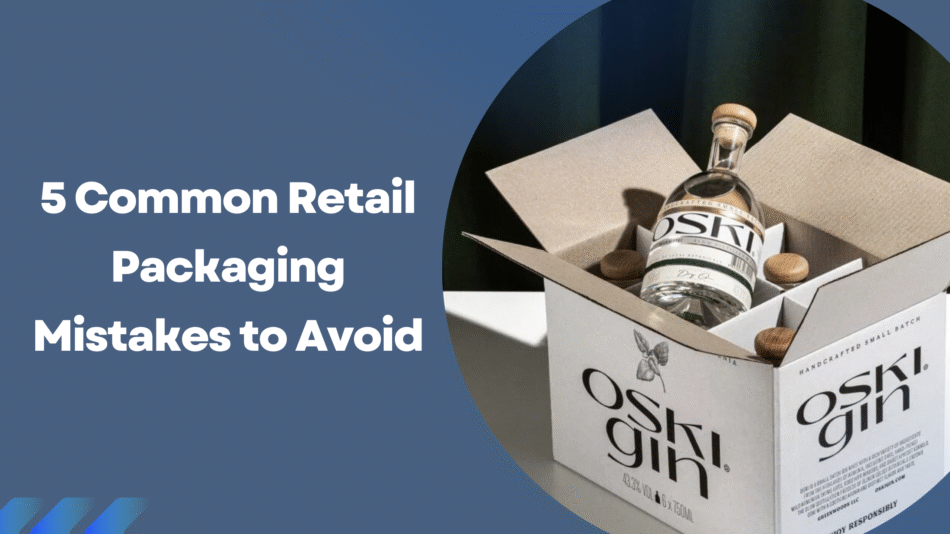
Retail packaging is more than just a container; it is a critical factor in shaping customer perception, ensuring product safety, and reinforcing brand identity. Poorly designed or ineffective packaging can cause lost sales, increased returns, and even long-term brand damage. To help businesses avoid these costly errors, this guide explores the most common retail packaging mistakes and provides actionable solutions.
Understanding the Role of Retail Packaging in Customer Experience
Retail packaging directly influences customer experience. From packaging design and aesthetics to packaging durability and functionality, every element contributes to how consumers view your brand. Businesses that ignore these details risk poor customer satisfaction and weakened brand identity. Proper packaging also supports sustainable packaging practices, reducing waste while enhancing the overall unboxing experience.
1. Poor Packaging Design and Aesthetics
A frequent mistake businesses make is overlooking the importance of packaging design. Poor packaging design fails to capture customer attention and does not communicate brand values. In today’s competitive market, packaging aesthetics play a vital role in product differentiation and consumer decision-making.
How Poor Packaging Affects Sales
Packaging that looks unprofessional or unclear makes products less appealing. These packaging design mistakes often result in consumer distrust, fewer purchases, and reduced repeat customers. Brands should invest in creative yet functional designs that balance aesthetics with usability.
2. Choosing the Wrong Packaging Materials
Another major error is selecting ineffective packaging materials. Low-quality materials compromise packaging durability, causing damage during handling and transport. This not only increases costs but also frustrates customers who receive broken or poorly protected products.
Sustainable Packaging Practices
Today’s consumers value eco-conscious brands. Failing to use sustainable packaging materials contributes to packaging waste and negatively impacts consumer perception. Choosing eco-friendly solutions not only improves environmental impact but also builds stronger brand loyalty.
3. Ignoring Packaging Functionality and Safety Standards
Functionality is a crucial aspect of Cardboard packaging design. Packaging must ensure safety, convenience, and compliance with industry regulations. Businesses that neglect packaging functionality often face product returns and reputational damage.
Packaging Damage in Shipping
One of the most common issues is packaging damage during transportation. Fragile or weak packaging leads to higher return rates, added costs, and disappointed customers. Brands can avoid this by implementing packaging quality control and ensuring compliance with safety standards.
4. Inconsistent Branding Across Packaging
Consistency is key in building a recognizable brand identity. Many businesses fail by using inconsistent designs, colors, or logos across product lines. This confuses customers and reduces the impact of packaging as a branding tool.
Packaging and Brand Identity
Every detail on a package reflects the company’s values. Inconsistent packaging design strategy dilutes marketing efforts and weakens customer trust. To avoid this, brands should maintain uniformity while adapting designs to specific product needs.
5. Overlooking Labeling and Compliance Issues
Labels provide essential product information and build customer confidence. Ignoring details like nutrition facts, usage instructions, or legal compliance can result in serious issues. Incorrect labeling is one of the most damaging retail packaging mistakes.
Packaging Printing Errors
Errors in packaging printing—such as blurry text, incorrect details, or missing information—project unprofessionalism and frustrate customers. Correct, clear, and compliant labels ensure both trust and legal safety.
How to Avoid These Retail Packaging Mistakes
Avoiding these mistakes requires a proactive approach. Businesses should:
- Invest in professional packaging design services to avoid branding mistakes.
- Choose strong, eco-friendly packaging materials that ensure product safety.
- Conduct strict packaging quality control to reduce damage in shipping.
- Maintain consistent branding elements across all packaging lines.
- Ensure accurate labeling and compliance with regulatory standards.
When done right, packaging becomes a tool that drives customer loyalty, enhances trust, and boosts sales.
Conclusion:
Retail packaging is not just about protecting a product—it represents your brand, influences customer behavior, and impacts long-term success. By avoiding poor packaging design, weak materials, inconsistent branding, and labeling errors, businesses can create packaging that is functional, sustainable, and memorable. Strong packaging strategies lead to improved customer satisfaction, reduced costs, and a more powerful brand image.
FAQs
What are the most common retail packaging mistakes to avoid?
The most common mistakes include poor design, wrong material choices, ignoring safety standards, inconsistent branding, and labeling errors.
How does poor packaging design affect sales?
It reduces product appeal, weakens brand identity, and discourages repeat purchases by making the product look untrustworthy.
What materials are best for retail packaging?
The best options are durable, eco-friendly, and sustainable packaging materials that balance strength with environmental responsibility.
Why is sustainable packaging important?
It reduces packaging waste, attracts eco-conscious consumers, and strengthens your brand’s reputation.
How do packaging errors damage branding?
Mistakes like inconsistent logos, poor design choices, and printing errors confuse customers and dilute brand recognition.
What are packaging compliance issues?
Compliance issues occur when required product information, safety warnings, or regulatory details are missing or incorrect.
How can I prevent packaging damage during shipping?
By using strong packaging materials, ensuring proper cushioning, and following strict quality control measures.
What makes packaging effective in retail?
Effective packaging combines appealing design, functionality, branding consistency, and accurate labeling.
Can packaging mistakes increase business costs?
Yes, errors lead to damaged goods, reprinting costs, customer dissatisfaction, and reduced brand loyalty.
What are the best practices for retail packaging?
Best practices include sustainable material use, consistent branding, compliance with regulations, and designs that enhance customer experience.


