 WhatsApp Us Now

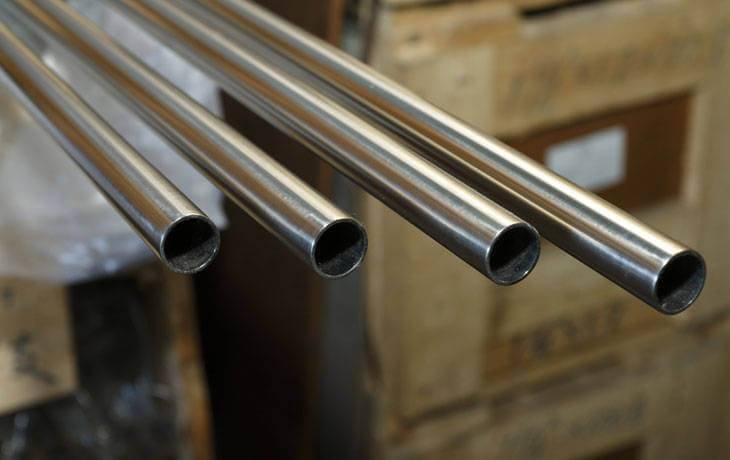
A pinhole leak in an acid line can halt a plant for several days. This risk is why engineers select Hastelloy C276 pipe for chemical processing environments where stainless steel cannot perform reliably. The nickel alloy withstands aggressive acids, chlorides, and localized corrosion, helping piping remain dependable in harsh services. Hastelloy C276 pipes for chemical processing applications are manufactured, and the sections below explain where they provide the greatest value.
Why Hastelloy C276 Is Suitable for Chemical Processing
Nickel forms the base at roughly 57%. Molybdenum (15 to 17%) defends against reducing acids and chlorides, while chromium (14.5 to 16.5%) handles oxidizing media. Few alloys cover both. Low carbon and silicon limits also stop harmful carbides from forming at grain boundaries during welding, so weld zones resist attack as well as the parent pipe. That balance makes Hastelloy C276 pipes for corrosive chemical processing systems a sound choice for mixed media.
Use in Acid Processing Systems
Sulfuric, hydrochloric, and phosphoric acids reach piping in chemical plants, and each attacks metal differently. Reducing acids strip protective films from ordinary steels, while oxidizing acids corrode them in another way. C276 holds up against both, which matters when contamination changes an acid’s character mid-run. Engineers therefore choose Hastelloy C276 pipes for acid chemical processing applications for chemical transfer lines, reactor feeds, and acid recovery loops.
Hastelloy C276 Pipes in Chloride-Rich Environments
Chloride ions break down passive films and drive pitting on stainless steel. Crevice corrosion then starts under gaskets and flange faces, and stress corrosion cracking threatens hot lines under tensile load. C276 resists all three, and it tolerates wet chlorine, hypochlorite, and ferric chloride. That makes Hastelloy C276 pipes for chloride corrosion resistant applications a strong fit for brine handling, chlorination units, and contaminated cooling water loops.
Chemical Processing Applications of Hastelloy C276 Pipes
Hastelloy C276 pipes for chemical processing plants serve six core areas:
- Chemical transfer lines: The alloy withstands mixed acids and chloride-bearing solvents, so transfer runs stay leak-free and keep product streams free of contamination.
- Acid handling systems: Hydrochloric, sulfuric, and phosphoric acids attack ordinary alloys, while C276 keeps a stable surface and a predictable wall loss rate.
- Scrubber piping: Scrubbers expose piping to wet, acidic gas condensate and chlorides, and C276 resists the pitting that quickly perforates stainless lines.
- Waste treatment systems: Effluent streams change composition daily, and C276 tolerates the shifting acidity, chlorides, and oxidizers without localized attack ruining lesser piping.
- Process piping: Reactor and distillation lines carry hot, concentrated media, and C276 keeps corrosion rates low enough to support long inspection intervals.
- Pollution-control equipment: Flue gas desulfurization and acid gas absorbers create condensing, chloride-rich conditions that C276 handles where standard stainless alloys fail early.
Performance Under High Temperature and Pressure
Hot service accelerates corrosion and reduces the strength of carbon and stainless steels. C276 solves both problems. It holds mechanical strength in pressure service up to about 650°C, and it keeps its toughness at sub-zero temperatures. Corrosion resistance survives the heat, so hot acid reactors and distillation overhead lines stay in service. Designers still apply ASME allowable stress values at the design temperature. Using Hastelloy C276 pipes for high-temperature chemical processing lets plants run hotter and faster reactions.
Factors to Consider When Selecting C276 Pipes
Knowing how to select Hastelloy C276 pipes for chemical processing starts with the chemistry. Concentration, impurities, and temperature set the corrosion rate, so list every species the line will see, including upset conditions. Next, fix pressure, nominal size, and wall thickness. Choose seamless pipe (ASTM B622) for high-pressure, critical duty and welded pipe (ASTM B619) for larger diameters. Confirm the governing standards, then specify testing: hydrostatic, ultrasonic or eddy current, positive material identification, and intergranular corrosion testing to ASTM G28, backed by mill test certificates.
Conclusion
From acid transfer lines and scrubbers to waste treatment and pollution-control units, C276 protects piping wherever acids, chlorides, and heat combine. Multi Metals (India), an ISO 9001:2015-certified manufacturer, supplies Hastelloy C276 pipes for demanding chemical processing systems. Match the pipe specification to the chemical medium and operating conditions. Share your size, schedule, and process conditions to request a quote.


